
Designing for Access, Not Just Affordability
Designing for Access, Not Just Affordability
Interview with SS Innovations Founder Dr. Sudhir Srivastava
Interview with SS Innovations Founder Dr. Sudhir Srivastava
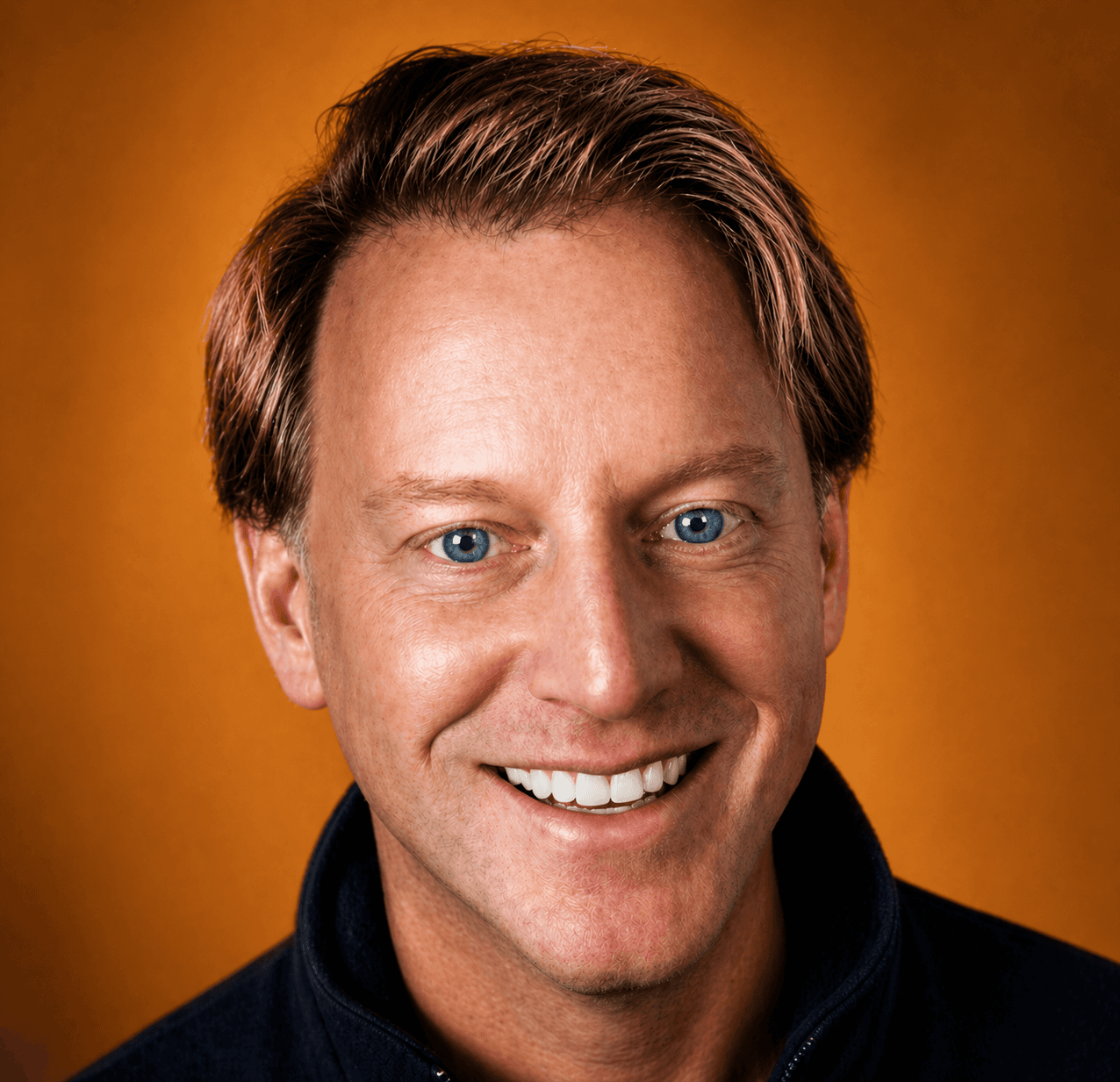
Guest

CEO of SS Innovations
Dr. Sudhir Srivastava is the physician-founder and CEO of SS Innovations (Nasdaq: SSII), a surgical robotics company developing the SSi Mantra platform to make robotic surgery more affordable and accessible worldwide. He brings more than three decades of experience in minimally invasive and robotic cardiac surgery, having served as Director of Robotic Cardiac Surgery at the University of Chicago and founder of the International College of Robotic Surgery. A pioneer in robotic cardiac surgery, Sudhir has performed more than 1,400 robotic procedures, including over 750 beating-heart totally endoscopic coronary artery bypass (TECAB) surgeries.
Interview Summary
Dr. Sudhir Srivastava is the founder, chairman, and CEO of SS Innovations, a U.S. surgical robotics company with headquarters in India. The company’s vision is to make robotic surgery more affordable and accessible worldwide. A pioneer in robotic cardiac surgery, he has performed more than 1,400 robotic procedures, including over 750 beating-heart totally endoscopic coronary artery bypass (TECAB) surgeries, giving him decades of firsthand experience with both the promise and limitations of robotic technology.
In 2011, Sudhir returned to India to launch robotic surgery programs and bring the technology to more patients. He quickly discovered that while robotic surgery had transformed patient care, its high cost placed it beyond the reach of many hospitals and patients. He founded SS Innovations to address that challenge, committing nearly $4.5 million of his own savings before assembling a team of just 10 engineers who initially worked out of his home. The company went on to develop the SSi Mantra surgical robotic system with a homegrown engineering team in India, designed to support multiple specialties, including cardiac surgery, while offering advanced capabilities at a significantly lower cost than leading incumbent systems without compromising performance.
Successive generations of the platform evolved rapidly, with Mantra 3 built from the ground up in just five months. Beyond the robotic platform itself, SS Innovations developed teleproctoring, telesurgery, and a mobile training bus — all part of Sudhir's effort to answer “how do we democratize access?”
Today, SS Innovations has completed more than 10,500 robotic procedures worldwide, including over 170 telesurgeries, and has installed more than 200 systems across multiple countries. The company is generating commercial revenue, has submitted its FDA 510(k) application, is advancing CE mark activities in Europe, and is backed by Intuitive Surgical founder Fred Moll, who also serves as Vice Chairman.
Top Takeaways
Making healthcare affordable is only the first step toward democratizing care. Advanced technology can reach the masses when it’s designed for access while maintaining clinical performance and usability. True democratization requires systematically removing barriers to adoption, whether they stem from cost, geography, patient awareness, or physician training, so innovation can scale beyond major hospital centers.
Treat infrastructure building as part of product development. Revolutionary technology rarely succeeds in isolation. If adoption depends on physician and patient education, access to expertise, or new care delivery models, you can’t wait to build these support functions later — they need to be part of the product strategy itself. Companies that build the surrounding ecosystem alongside their technology are better positioned to reduce adoption friction.
Keep the end user close to the development process. Every layer between engineering and end-user feedback adds time and cost. The fastest teams bring domain experts, engineers, and decision-makers together to solve problems rather than through sequential handoffs, allowing ideas to be challenged, refined, or discarded before they become expensive prototypes.
Match your capital to the stage you're in. Early-stage ideas often require angel investors willing to back conviction before a product or proof exists. Each subsequent raise becomes easier as technical, clinical, and commercial milestones reduce uncertainty. As a company moves from development to commercialization, larger pools of capital are better suited to scale an established business.
Sponsors
FastWave Medical: Named MD+DI's Company of the Year, FastWave is one of the hottest medtech startups in the cardiovascular space. See how you can invest here.
Medsider Fundraising Cohort: Planning to raise capital for your medtech startup? This live, 4-week workshop, led by Medsider is designed to help founders and CEOs tell a sharper story, get investor meetings that matter, and close real capital. Join the waitlist here.
Key Moments
03:01 Sudhir's journey from performing the world's first beating-heart robotic bypass to founding SS Innovations
07:14 The 22-year-old patient who became the catalyst for Sudhir’s affordable robotic surgery platform
08:59 Building Mantra 3 from the ground up in just five months
12:14 Inside the engineering process that eliminated months of costly iteration
16:20 The question that shaped SS Innovations: "How do you democratize access?"
27:10 From one office to performing 24 telesurgeries in 12 hours across India
29:29 How a mobile training bus became part of Sudhir's answer to make robotic surgery accessible
33:49 Lessons from commercializing a surgical robotics platform across developing markets
39:43 Starting with just $5 million: Sudhir's milestone-based approach to fundraising
Chat with Scott
Ask ScottBot questions about this interview, key takeaways, or other medtech topics.
Full Transcript
The whole idea of our teleproctoring and telepresence was not only to be able to guide, but then this is to avoid patients traveling, having to go to larger centers or metropolitan cities. I think that was one of the things that; the question of how do you democratize? And that's the only way because otherwise only large centers you have. But not only have we created an affordable system that is now in tier two and tier three cities, but through telesurgery.
Narrator:Welcome to Medsider, where you can learn from the brightest founders and CEOs in medical devices and health technology. Join tens of thousands of ambitious doers as we unpack the insights, tactics, and secrets behind the most successful life science startups in the world. Now here's your host, Scott Nelson.
Scott Nelson:Hey, everyone. In this episode of Medsider, sat down with Doctor. Sudhir Srivastava, founder, chairman, and CEO of SS Innovations. The company's SSI Mantra robotic system supports a variety of robotic procedures, including cardiac surgery. Sudhir brings more than three decades of experience in minimally invasive and robotic cardiac interventions. He is also the founder of the International College of Robotic Surgery. A pioneer in the field, Sudhir has performed more than 1,400 robotic procedures, including over 750 beating heart totally endoscopic coronary artery bypasses, or TCABs.
Scott Nelson:Here are a few topics we explored in this conversation: Beyond affordability, what does it take to democratize healthcare? How can early stage companies reduce costly iteration cycles? Third, what it really takes to build the right infrastructure for advanced medical technology to scale. And last, how do you build a capital intensive medtech company without raising hundreds of millions of dollars?
Scott Nelson:Before we dive into the full episode, if you're a Medtech founder or CEO preparing to raise capital, you should check out the Medsider fundraising cohort. This four week live workshop combines small group sessions with real time feedback to help you sharpen your investor story, build a targeted pipeline, and run a focused fundraising sprint instead of a never ending slog. Over the month, you'll walk away with an investor ready narrative and deck, outreach scripts that actually get responses, a refreshed LinkedIn profile, a simple content plan that keeps you on investors' radar, and repeatable system for running your raise. You can join the waitlist at medsider.com/fundraisingcohort. Again, that's medsider.com/fundraisingcohort. Alright. Let's get to the interview.
Scott Nelson:All right. Doctor Sudhir Srivastava, thanks for joining the Medsider Radio program. Appreciate you coming on.
Dr. Sudhir Srivastava:Certainly. And thanks for giving me the opportunity to talk.
Scott Nelson:Well, I'm looking forward to the discussion and learning a lot more about SS Innovations. I think a lot of our listeners probably at least at the very least loosely familiar with the company, but maybe less so your background. So let's start there. I recorded a very abbreviated bio at the outset of this episode, but give us like a one to two minute overview of your background before starting the company.
Dr. Sudhir Srivastava:Sure. So I am from India originally. After graduation from medical college, moved to The United States. I started out in St. Louis, and then moved on to Vancouver, British Columbia, and did my cardiothoracic and general surgery residency. After that, I moved back into Texas. And back in the early, I guess, 90s, I started to see if there are different ways of doing heart surgery. And because we were all trained doing splitting of the sternum, we'll stop the heart and do whatever we needed to do. I think in mid-90s, we become very interested in less invasive approaches to heart surgery and started out with bypass surgeries, then later on developed an approach I called thoracic bypass where I just through small incision between the ribs on the left side. We were doing all bypasses. And even the valve strategy, we started to go through a small incision.
Dr. Sudhir Srivastava:And the whole idea was to reduce the patient morbidity, complications, and the recovery times. And then in 2000, the Da Vinci system got approved by FDA, and then I was building a hospital in West Texas, a small town, Odessa, Texas, you know, population of 100,000 surrounded by a bunch of giants that have been there for fifty plus years. And everybody thought I was a little crazy. Will it really work or succeed? And we were pretty confident in what we were doing.
Dr. Sudhir Srivastava:And so we built the hospital and with that we purchased the Da Vinci system because I wanted to really take it to the next level where we can actually do heart surgery through tiny, small fingertip size incisions. And I was part of the clinical trial also for the Da Vinci System at that time. The beating heart TECAB came around later, but the initial trial was arrested heart and it was subsequently approved and also atrial fibrillation. And then I think I just kept pushing the envelope and did all kinds of early pioneering work that nobody in the world had done. In fact, I was the first one to do beating heart surgery under FDA permission.
Dr. Sudhir Srivastava:I think I'll tell you this little story. I think people might be very interested. So the patient came, he was a perfect candidate for what we were going to do. And I did tell him I was, you were going to be the first one. So he said, Doc, I'm going to be a guinea pig. I said, Yes. And so let me think about it. And then two days later he called, he was ready to go. And we did his operation first time in actually United States. Took me five hours because a lot of figuring out to do but that patient went home in twenty three hours after surgery.
Dr. Sudhir Srivastava:And then a week later he drove from West Texas to Phoenix, Arizona 800 miles away and that was very very inspiring. And then I just kept going actually and what we saw I did almost like 1,400 post robotic cardiac cases, 830 endoscopy bypass surgeries, and these numbers were the largest in the world at the time when I was in The United States. Almost twenty percent of patients went home next day after heart surgery. Fifty percent in two days or less. And I think this was almost like a final frontier for heart surgery and we were really proud and happy. I just kept going. Then got invited to Chicago. I was on the faculty and director of robotic cardiac surgery, launched their program. And then Atlanta, I went to St. Joseph's Hospital, which is part of Emory now.
Dr. Sudhir Srivastava:In 2011, I decided to move back to India to launch robotic programs to bring wonderful technique and technology. I very quickly found out it was very expensive. Maybe I should pause here and give you a background until I got to India and next question always comes up as to what made you get away from heart surgery and get into technology development? And maybe I'll let you ask again a different question first.
Scott Nelson:That's a great background. I think for those that have loosely heard of you, right? They may not be like so familiar with like how prolific of a surgeon you are and were kind of leading up to starting the company. But we're recording this in kind of, let's call it mid twenty twenty six, but the company, you kind of started, I mean, it looks like you started it back in 2014. So we're over a decade now into SS Innovations. So give us a sense, what caused you to say, I mean, sounds like cost was a big driver, but was there anything else? What caused you to kind of say, look, there needs to be an alternative here other than Intuitive?
Dr. Sudhir Srivastava:Wonderful question and a wonderful story to tell. I had a 22 year old female patient that had atrial septal defect, which is a congenital defect, and mostly it closes at birth or soon after. But in some patients it remains open and a perfect candidate for robotic surgery, and this is now back in India around 2012, and the brother brought her saying that if she has this scar in front of her chest based on cultural and local reasons she may not be able to get married, except they didn't have money. The hospital wants you to charge 400,000 rupees. I offered to do it free. The brother tried to raise money. A month later he called me, was still struggling and I never heard from them.
Dr. Sudhir Srivastava:That was the time that I it was like a wake up moment. We must do something. And that's when I started. Anyway, so I actually made a commitment. We must do something because there was monopoly by Intuitive Surgical. And they were doing great for developed economies and great for their shareholders. But almost 7,000,000,000 people at the time didn't have an easy access.
Dr. Sudhir Srivastava:So I used up almost 4 and a half million dollars of my savings as a heart surgeon from The US. Tried whatever I could. Went to Germany first. Didn't work out. Finally put a team together of 10 engineers, worked out of my home. Then ran out of that money, I wasn't practicing anymore and borrowed money. Sold my car. Sold my furniture, kept looking for funding and finally actually in 2017 we got funding. Small $5,000,000 to get started and we just kept going and I think the best part was being in India with a low cost structure across the board. And a team that was so enthusiastic, we would work very fast and again when you don't have money you have to do the job faster, otherwise you shut down.
Dr. Sudhir Srivastava:And so we kept going and developed this mantra system and then this mantra two we did the trials and then Mantra three. And Mantra three, believe it or not, we developed this entire new generation from ground up in five months.
Scott Nelson:Wow, that's impressive. I want to go back in time and learn a little bit more about kind of those early days, but let's talk about Mantra three. So what's the short pitch on why a hospital should consider Mantra three versus another robotic system that they may be considering?
Dr. Sudhir Srivastava:Mantra three is very different than what was existing at the time and mostly you know the Da Vinci was monopolizing everything. So my thought was really, one is to not to copy like many other companies now we know have done and to make it different, more advanced, more technology, more user friendly features and all specialties including cardiac because that Da Vinci had stopped supporting at that point in time. And also beyond all these things, was important thing without compromising the quality, make it cost effective. So we literally created a system that is almost close to one third the cost of the top model of the computing technology. And also with more features, more abilities, use of up to five arms for in future we are developing certain newer technology and also the focus on teaching and training. So we, along the way, we developed tele proctoring as well as telesurgery. So we really distinguish ourselves across the spectrum.
Scott Nelson:Very good. I'm looking at the website right now. I'm sure most of you that are listening to this interview have probably heard of SS Innovations, but we'll link to the website and the full write up on Medsider, it's ssinnovations.com. If you don't get there, it's ssinnovations.com. That is the website. You can learn a little bit more about Mantra as well as the company and Sudhir's background as well. So let's kind of rewind the clock here and go back in time. Let's stay on this topic of early stage development, right? Because it sounds like driving down costs, coming up with a system that works as well as the da Vinci, but at a significantly reduced cost was one of the primary requirements. And so were there a couple of key things that were really important to kind of getting to that point early on in development where you could actually have a workable system at a drastically reduced cost point?
Dr. Sudhir Srivastava:Yeah, sure. So I think I must say that I'm very grateful to da Vinci and particularly to Doctor. Fred Moll who was the founder and of course he is now part of us as the Vice Chairman. So I think they did a great job in creating something that literally changed how we do surgery, led us to a very different path except that I think there were many opportunities that things could have been done differently but sometimes monopoly does not allow you and nobody else is there to compete. So people just keep going how they started out.
Dr. Sudhir Srivastava:So I think one is that I want to express my gratitude to early people who were involved actually, but then I saw many opportunities that these things could be different and better. And also with my clinical experience as a robotic cardiologist, having done all the number of cases, I knew exactly what is needed by the end user. And I must say that helped a lot. And you know I will just sit down. The thing was that we didn't have bureaucracy.
Dr. Sudhir Srivastava:Just me and my small team, so we'll sit down around the table in a conference room. We just discuss the ideas, you know draw on a blackboard, then have some digital drawings starting to evolve. And so every time, you know, worked literally day and night with our engineering team. They were very bright. They had no idea about how the surgical robotics are.
Dr. Sudhir Srivastava:Earlier even the robotic experience was not there in India. But then I think they worked really hard, very creative, and the best part was that we will not waste time. If they will do something, I will know immediately that it's going to work or not work. So we're not waiting for six months to call some surgeons, test it and then start the cycle all over. That's why if you look at some of the bigger companies that took them ten-twelve years.
Dr. Sudhir Srivastava:So I think that was tremendously gratifying. And also, I think the team was very proud that we are trying to do something that nobody else could do, because that monopoly lasted for a very long time and as you are aware now only recently in about few years other companies are coming up. So I think the brilliance of the team, their commitment, work through holidays didn't matter and to be able to do things very, very fast. And also they felt very proud because the surgical robot is a very complex technology. You know, you've got all these components of the hardware, electronics, and various firmwares and then integration of the software and it must work very precisely.
Dr. Sudhir Srivastava:And most importantly, it must be absolutely very, very safe. And one of my messages always to the team was, let's create something that you and your family will be willing to have them go through gradually with our system. So that attitude of perfection. I think, you know, so all played out, I think, very, very well. You know so today we have a team of almost 500 some people, average age is twenty six-twenty seven and today they know more than the IIT professors.
Dr. Sudhir Srivastava:They're all homegrown and the best part was my core team, they stayed with me right from the inception. And so it's been a wonderful experience. We grew together literally as a family. And most importantly, you know, apart from the safety, the performance part of it, it was that not become stagnant. Let's keep thinking how else we can do it better.
Dr. Sudhir Srivastava:And that was always a motive actually for us that, just don't get contented. And I use this kind of statement that best is the enemy of better. You know, there's always a better way. So I think from that viewpoint, our team has been very dynamic and I'm really grateful to them. It's very gratifying that what we could achieve.
Dr. Sudhir Srivastava:And the best part is we created this system that is now reaching people that could never afford robotic system actually. In tier two or three cities, almost 70% of our today's installed system, particularly in India, are in smaller cities. They would never think about getting a system. So now the way I was looking at how do we decentralize and democratize access. Because if technology is expensive, it is not going to reach masses.
Dr. Sudhir Srivastava:I mean that's what we have seen with The Middle East. Very small penetration, between The United States, Europe and Japan mainly. And many of the developed economies also, and particularly Europe, they just could not get the system because it is expensive. The running cost is expensive. The maintenance agreements are expensive.
Dr. Sudhir Srivastava:So my goal was to really reduce the cost without compromising. Performance should be the same or better, which I think we have really created this system today. It is better with not only our technology features, but our abilities, our tele capabilities that they don't even have. And so I think all that has helped and now we have done more than 175 telesurgeries and we are the only ones that have done cardiac telesurgery. And that means we are able to bring our expertise wherever required so the patients don't have to travel.
Dr. Sudhir Srivastava:And I think you may have seen recently I did the longest distance case from Guyana into India 20,000 kilometers away. So the whole idea of our tele proctoring and telepresence was not only to be able to guide, but then this way, avoid patients traveling, having to go to larger centers or metropolitan cities. I think that was one of the things, the question of how do we democratize? And that's the only way because otherwise only large centers will have. But not only we created an affordable system that now in tier two and tier three cities, but through telesurgery. Maybe we'll talk maybe a little bit more on this subject, where we are going with it.
Scott Nelson:Yeah, I want to touch on that for a second, before we get there, I want to circle back around to your comment earlier about building in India, right? Because I think, and I'm sure you probably heard this early on, most people said, well, Sudhir, if you're going to really get serious about this robotics company, you got set up shop in The United States. You gotta set up shop in Silicon Valley or maybe Germany, as you mentioned earlier. It sounds like you went to Germany maybe out of the gate, but you decided to stay in India, build there. And it sounds like that ended up becoming an advantage because of the excitement of the team, right? This idea that like we're doing something completely different that no one has done. It sounds like you were able to use that obviously to your advantage, right? But was that how difficult was that to overcome some of the engineering gaps maybe early on?
Dr. Sudhir Srivastava:It was challenging. Sometimes I'll say, 'Come on guys, what the hell are you doing? Let's think through. Spend time discussing things. Let's think loud because we don't have money to go through generation one, two, three, four. Let's really discuss whatever we need to do ahead of time so that we can bring it as close to a usable system as possible. And I think that really helped because, you know, again, being in India turned out to be a blessing. Firstly, I was very frustrated. My God, you know, why did I leave The US? Know, I did everything.
Dr. Sudhir Srivastava:Everybody wants to go to US and here, you know, people used to question my sanity. And I said, but that turned out really blessing because we could actually hire people at much lower cost. These guys are brilliant, except they did not have the opportunity to showcase what they could actually do. So basically, we created a platform for them to really apply their knowledge and creativity. And I think that really was very helpful.
Dr. Sudhir Srivastava:Same thing manufacturing in India, because of all of these same reasons, is much cheaper. I mean, if I was in The US, I can tell you because even till now we are all self funded by the way. We have not raised money from public and even though we are a public company at this point, but so far we have not raised money from public. It's been always family, friends, colleagues and those who trusted me. So, so far we have, this is how we function.
Dr. Sudhir Srivastava:Literally with the shoestring budget compared to some of the giants that have spent hundreds and hundreds of millions or some more than a billion dollars, you know, and then not even have a product. So I think, you know, being in India, turned out to be a blessing. Also, the bureaucracy, although we are not saying that rigorous process of regulation should not be there, we followed every principle to make sure that it is the safest system that one can actually apply on patients. Again, coming from my heart surgery background and having a spirit of perfection and the trust that people place in you, the same trust should be carried as we are creating a technology that will be touching the patient. So I think a lot of these factors actually help being in India and then of course the hospitals that are willing to try run clinical trials at much lower cost.
Dr. Sudhir Srivastava:If I was to run clinical trials in The United States, it is very very expensive and this is why if you look at some of these other companies then you talk to them, oh you must raise at least $200 to 300 million dollars and here I start out with 5,000,000. And then incrementally we raised money as we needed. And it really turned out that you know with small money we will get to the next stage. Show that, yes we are going on the right track here. And I think so the investors had the confidence.
Dr. Sudhir Srivastava:One, I think whatever credentials I carry, it's my personal experience and reputation. But also we were constantly demonstrating that we are going to actually have a product and it's not just playing around here. So I think being in India turned out a blessing across the board. And also, the need is there in the country. And you look at India as a population of 1.4 plus billion people, 70,000 hospitals. And by that time, when we got into it, only around two fifty total robotic systems were in India. Nothing else here when you look at it. And large centers only. So, I think one is that there was a huge need and people were actually hungry for it. Patients want robotic surgery. Except the doctors could not have access because hospital won't buy it. And I think still all this nearly opened in short time. Now we have installed 210 systems.
Dr. Sudhir Srivastava:We've beaten every record of everybody so far in terms of our clinical validation, clinical results, the number of systems, and all these advances that we have achieved. And being in India made it very easy because of the relationship with people to be able to do trials. And so all that became much easier. Again, you know, you don't have all the laws that you have in the U.S., so this is another thing that kind of gives you a break. You know, the most important thing was that it must work and must keep that in mind that the outcomes are absolutely perfect.
Scott Nelson:Yeah. Yep. And most people, and this is a fair argument, would say, I could see the advantages of building a company in India for the costs. Right? But with something so sophisticated, right? A platform like yours, that's highly, highly sophisticated, they would have said, you can't do it. Right? But you've turned that, you've flipped that upside down and said, no, no, we can. Right? And you've got, you've obviously built out a group of engineers that have proven themselves very capable and use that to your advantage.
Scott Nelson:I just think it's a really cool story. One, it's a good example to point to when other CEOs or other founders are building companies and hearing no's all the time, right? When they have a conviction around a certain direction for their company. So I think it's a great story, but I wanna touch on the telesurgery aspect too because I think when most people think of a low cost robotic system they think it offers less features maybe or is less capable than others. But there again, you've proven probably people wrong and said, no, actually it's full of features.
Scott Nelson:As an example, you performed this very long distance telesurgery case. So how have you gone about kind of overcoming that perception and really proving others wrong that you've got a full featured platform here?
Scott Nelson:Hey, everyone. Let's take a quick break to catch you up on Medsider courses. These eight week courses are designed to help you learn winning formulas from world class CEOs. Medsider courses cover topics like fundraising, device design and development, clinical and regulatory strategy, commercialization, and m and a. Each course covers the hard earned lessons shared by the Medtech Founders and CEOs who join our program. Medsider courses can be purchased individually or they're included at no additional cost with the Medsider All Access Pass. You can explore Medsider courses at medsider.com/courses. Again, that's Medsider dot com slash courses. Okay, let's get back to the conversation.
Dr. Sudhir Srivastava:And I must say, it should not come out as being arrogant, but I can tell you today, as a robotics surgeon, but not as a founder or CEO of SSI, that our system has the best features, the most features that many of these companies don't even have. And all their technology capabilities, all the specialty capabilities, instrumentation that we are developing constantly to make surgeons' life easy. Because all these things ultimately will translate into faster procedures and better outcomes. Because if surgeons find difficulty, then challenges are there and outcomes may not be great. So from that viewpoint, I think we feel that we really have achieved, you know, and I don't want to say superiority, but results speak for themselves.
Dr. Sudhir Srivastava:We currently have zero mortality, device related zero complications, zero injury. Nobody actually can demonstrate that. And then with the capabilities of teleprompting, see, because one of the biggest challenges is to be able to launch new programs. And so I started out with teleprompting, I think almost three years ago, whereby we developed these VR glasses and it's like the old Tom Cruise's Minority Report movie. You have all these multiple screens right in front of you and you can tell straight, you can guide surgeons.
Dr. Sudhir Srivastava:You know, I have guided people sitting in my office having lunch, so I don't have to travel. And so the next thing for me was to be able to really implement telesurgery. So if you look back at the history of robotics, back in the 80s when research was funded by NASA and DARPA through Stanford Research Institute, the idea was to do telesurgery in space and in battlefield. But that time, technology didn't exist and bandwidth just was not there.
Dr. Sudhir Srivastava:So once we saw that now high-speed connectivity is there, and our team figured out how to do it. And we went through a very systemic, actually, development process whereby within our office we will test it from one room to the other corner room. And then we did animal trials, then we did human trials. So we went through very responsibly in terms of the whole development of teletherapy. Make sure that the delay is acceptable.
Dr. Sudhir Srivastava:Make sure that there is a team at the other end in case something needs to be done. So, took all of these factors into consideration and actually we were the first one globally that back in November '24, we got that approval for telesurgery from the Indian regulatory body after we presented all the data. And since then we have been performing and the best part what we found with telesurgery is that various doctors, specialists, they are helping each other. So, if a general surgery hospital has got a complex urology case, they will talk to each other. And long distance, you know, the urologist is helping general surgeon and vice versa.
Dr. Sudhir Srivastava:And I'll tell you an example. Back in December 23rd we did 24 telesurgeries in twelve hours from our office. Nine surgeons operated and patients scattered all over the country. You just imagine there's 24 patients in one day who got the benefit of the experts that otherwise they have to go somewhere else and it's not easy and it's very inconvenient for the patient's family to pack up and go to larger cities and expanse and emotional distress etc. And then of course we developed this chair, redefined working from home.
Dr. Sudhir Srivastava:So in November of last year, I actually operated sitting in my living room and the patient was 300 kilometers away. So I think the whole idea was that one, that we must use the telesurgery not as a hype or marketing tool or anything, but to really help. And what I say, decentralize the excellence. That way we can bring the surgery to their doorsteps, wherever they may be, so they don't have to travel. And also to be able to teach and train.
Dr. Sudhir Srivastava:So, you you can have the surgeon at the other end. They are watching what we are doing. Let them do the next phase. Proctor them and if necessary take over and finish the job. And then with that idea, we created this bus also. We are calling it Mantra M. And we have our system there and this bus has toured easily over the last year, literally all over the country. So with two things in mind: one to train people. We don't have to bring them to our headquarter. Secondly, create awareness in the general public. that there are these options available. Because in many of the smaller communities or rural areas, they don't even have an idea that such things exist actually.
Dr. Sudhir Srivastava:And moreover we actually equip the bus that in sitting in the bus we can do telesurgery. So we did. And our next thing now is we are creating a mobile operating room actually. And it will be on a truck and we will park it. Using the high speed connectivity, we can operate from anywhere. And many of the things that we are developing, we are developing also drone based robots for the army, which can literally fly and get in the battlefield. Thereby a lot of people die because there's not enough time to bail out the emergency. And so we're looking at all of these things, and not just army, but also many natural disasters that occur, whereby you don't have access to the patients, or the road is blocked, or whatever may be the reason. We are looking at a lot of these things in a very, very different way in terms of trying to see how we can help patients wherever they may be.
Scott Nelson:Sort of redefining remote work, I guess, right, for surgeons. Most people thought there's no way a surgeon could ever work from home, right?
Dr. Sudhir Srivastava:You're actually right. I was going to do it from bedroom and then I said that would be too much.
Scott Nelson:Too much. Maybe wait for a couple of years to do to do the first case from your bedroom. That's funny.
Dr. Sudhir Srivastava:The best part but best part also was that we don't tie up operating room. To be able to do telesurgery. So now we have created this independent chair that a lot of surgeons now have asked, you know, can I put it in my office? So I don't have to even go to the hospital to do as long as I have a team there.
Scott Nelson:It's really impressive. I mean, you had to if you had to look out five to ten years from now, what percentage of global surgeries do you do you think are performed, you know, via telesurgery? Do you think this is a a growing trend?
Dr. Sudhir Srivastava:I think absolutely. I think it will it will occur because if you look at a global level, you take Africa, take Middle East, many other developing economies, even in developed economies, for instance, take US, penetration is only 35% of robotics. And that means you have a large population, 60 plus percent, that they still have to travel to the larger metropolitan hospitals. Just imagine if you have an affordable robot, first of all. And the only reason, even in The US, smaller community hospitals are not able to buy it.
Dr. Sudhir Srivastava:One is the talent and secondly, the cost. And so, telesurgery, as a low cost robots, it will really reach out even in developed economies that, you know, don't have to travel to, you know, Chicago or New York and you know, all of these other larger centers. So I think it will help across the board globally.
Scott Nelson:Yeah. It's really, really impressive. I wanna circle back around to Fred Moll's involvement in the company as well as just, know, your your kind of the the way you've approached raising capital as well. Cause I think that's also unique, but before we get there, let's touch on commercialization. You said you mentioned over, over, you know, 200 systems have been installed to date.
Scott Nelson:When you think about commercializing in, in countries outside The U. S. Whether it's India or whether it's, another country. Are there certain things that you've learned or may be surprising to US centric companies that have struggled, right? That have struggled bringing their technologies outside The US?
Dr. Sudhir Srivastava:Yeah. I think the most important thing, again, for US companies particularly is the high price that they have not been able to get to many many countries absolutely and some countries never even had a single robot and they won't even go there you know because they're not interested if we cannot sell a whole bunch of them And set up the, you know, servicing and all of those things. So currently, actually we have approval in 15 other countries. 12 of them have our robotic systems. And these are all the countries that actually are, you know, what we call developing economies, you know, and so on.
Dr. Sudhir Srivastava:And so I think having an affordable system, having telepresence capabilities actually, to be able to launch programs, to train them. And I travel literally even today all over the world, to operate with surgeons there. So I think, you know, so we are addressing all of that thing. Again, as we are also going through getting registrations or regulatory approvals in many countries. So, there are almost 120 plus countries that do not require either US FDA or European approval.
Dr. Sudhir Srivastava:And of course, we are pursuing all that thing, but also equally we are proceeding with both the European and the US FDA approval. And God willing, and if everything goes well, maybe later part of this year, we should have both of those approvals. And I must say people are actually looking for us to get these approvals so that affordable system with all the capabilities that we have, and the tele capabilities also becomes available in these two jurisdictions actually. It's not there even in the United States. telesurgery in US, it just does not exist at all.
Scott Nelson:Wow. You see you're you're a lot you're a lot closer to possibly entering the The US market maybe than I even anticipated. So, it'd be fun, certainly to fun to watch your progress on that front. Let's chat about Fred Moll's involvement in the company, because I think that was some recent news that you announced and he's obviously synonymous with robotic surgery via Intuitive Surgical. So how did that come about and what do you think he saw in SSI that led him to kind of say, I want to join. I believe in the mission. I want to join the team.
Dr. Sudhir Srivastava:I'm sure, as you know, that he was of course, you know, the founder and created this whole robotic surgical system. And then I think he left, if I'm not mistaken, around 2004. He left in Intuitive, then he started some of these all these other robotic companies actually. And his last attempt was Auris Health which he sold to Johnson and Johnson.
Dr. Sudhir Srivastava:And so of course you know Fred has known about me and all these years you know although when I was doing all this pioneering work I'm sure he was aware of it, but we never actually met during early years. And it was not until 2022 that, you know, the dialogue started because I was really looking for money. You know, we have reached a state and now we need to scale up. Now, what do I do? I tried in India and so previously I was a associated with Avra Surgical Robotics whereby I lost a lot of money and we kind of got messed up by whoever was working on the engineering side.
Dr. Sudhir Srivastava:But anyway, so in fact, that time I met Fred first time back in, I think, 2014 time frame in Germany. And that time we were looking for some robotic arms. And then of course, nothing worked out. So, when he became aware that how far we had advanced, through mutual contacts he expressed interest to talk to me. So we chatted actually and then he came actually to India in 2021 and he saw the setup. And I think that really got him excited that how far we had come very quietly. You know, we were like a submarine submerged completely. And nobody else knew about us. We were completely under the radar and just kept working. So, I think he got very excited and then he decided to invest certain funds with us and then he kept investing also.
Dr. Sudhir Srivastava:And then somewhere along, I asked him, said, Please join us on the board. And he very graciously agreed and then of course requested him to become the Vice Chairman. And so, it's been, I must say, a tremendous relationship, not only as a colleague, but as he's considered the father of surgical robotics, at least, you know, because of the historical time frames. But he's a very thoughtful person, and it's a great association actually with him because I am kind of a go go guy, and he kind of "slow down," you know. So it's a really wonderful balance actually with his experience and my enthusiasm and the speed that we want to really work.
Dr. Sudhir Srivastava:And this is one thing that he really liked because, know, and then one of his thoughts always was that mos more patients should benefit. But unfortunately, because of the pricing that he has no more control, then he had left the organization. That was his frustration. That he created a system that could not help most people. And this is what I think he saw in us. Not only the technology actually worked, not only it had more advanced features, etcetera, but that it will reach many. And so I think it's been a wonderful association with him.
Scott Nelson:And certainly a testament, right? To have, as you said, the godfather of robotic surgery invest personally, right? And then feel strongly enough about where SSI is headed to join the board. So I think that's really cool. When you think about your experiences raising capital for SSI over the years, we could probably spend a whole hour talking about this. But are there a few things that come to mind that may be helpful for another physician that has an idea that wants to build a company? What would you advise them? What are some of the key learnings that you've picked up on over the years?
Dr. Sudhir Srivastava:I think firstly gather as many angels as possible because initially nobody wants to fund their idea, unless you really have some inheritance or high level recognition. But I think, you know, we have an idea and we obviously do need to show some development and some future for what you're going to do, because it means most investors look for returns also. You know, there are some people who do it for impact. But again, and there is no criticism because I think money is needed. And people who do invest money, they hope that it will grow.
Dr. Sudhir Srivastava:And so, think, you know, one is getting these angel investors and then start out slow. And you know, just don't raise large amounts of money because what are we going to do with it? Because when we are starting out, we still need to develop and show. And I think what at least the approach we took was a very graduated approach. You know, with certain money, I could hire certain talent.
Dr. Sudhir Srivastava:Raise more money after showing, then I could hire higher level talent. And literally, this is how we progress. Because if you bring a whole team of people when you don't even have a product, what are they going to sell? You know, you may bring some high flying people and pay them large amounts of money because of their, you know, historical credentials. But you need to have a product and I think so this you did it in a very intelligent way, of course because there was challenge also.
Dr. Sudhir Srivastava:So, it's like you figure out what you have, how you're going to use best, and how do you take it to the next level. So, now, you know, we literally at this point in time, almost $78,000,000 we have raised, self funded. And again trust of people, people like Fred and other friends who have pitched in. And now our goal is of course to get to the next level of commercializations. Also getting to various global jurisdictions.
Dr. Sudhir Srivastava:We need to raise money and you know, whole marketing and sales in particularly in United States will be, you know, and they will be doing directly. So, this will need lot more money. So, we are at this point in time looking at all different options and that was one of my reasons actually to become part of The US public markets because it gives people here in US particularly are known to invest into innovation and development. Look at the success of where Intuitive used to be and where they are today. So people are looking for other options at this point in time. So we are actually very aggressively pursuing this year because we are planning to scale up all our manufacturing, more manpower, more countries.
Dr. Sudhir Srivastava:So we are looking to raise a fairly significant amount of money at this point in time. And I think once we get past FDA, that may be very helpful because again, the US side investor, for them, that's kind like a holy grail that you must have FDA or show US revenues. But I think the opportunities for us remain very, very good in US because of all the reasons we talked about earlier.
Scott Nelson:It's been impressive how far you've made it on, I would say a relatively low amount of capital. Right? I mean, think you said about 80, roughly about $80,000,000 into the company and you're this far along. I mean, these are not simple systems to build at all. And so huge kudos to you and your team for not only moving fast, but also being very, very efficient with your capital.
Scott Nelson:I know we don't have a lot of time left, and I want to get to the rapid fire portion of the interview. But again, for everyone listening, I'm sure you've heard of SSI a number of times, but again, ssinnovations.com is the website, ssinnovations.com. We'll link to it in the full write up on Medsider, but highly encourage you to check out the company, which is, as Sudhir pointed out, is publicly traded on NASDAQ right now. So be looking out for the opportunity to potentially buy a little bit of SSI stock in the future here. So let's get to the rapid fire portion of the interview here.
Scott Nelson:Just three questions. Feel free to expand if you want to elaborate a bit. But first one is when you think about the next twelve months, take us out to kind of mid-twenty twenty seven. What are you most excited about over the next year?
Dr. Sudhir Srivastava:I think we would have penetrated many more countries. We would have received both US and European approvals. We have huge market opportunities and meet the unmet need in both jurisdictions. Keep adding new, different types of surgical robots that we are working on right now. We have already opened up to pediatric population.
Dr. Sudhir Srivastava:We have created five millimeter instruments to open a completely new arena. We are going to be looking at specialty specific robots and instrumentation. Again, make life easy and use AI and machine learning and initiate semi automation and at some point automation. And then of course also the whole tele side whereby we have developed some single arm applications for diagnostics and therapeutics. Again, to be able to park these guys on small vans and take them to smaller communities, hold camps, and do the screening.
Dr. Sudhir Srivastava:Because see, one of the biggest challenges is late diagnosis. There are poor outcomes. So all of that thing, and then mobile units that we can send when patients need surgery. All of that's in the future. And secondly, also to initiate a step which we have done already in India to introduce in the teaching programs, actually, in the postgraduate programs.
Dr. Sudhir Srivastava:So instead of while you are already in practice trying to learn, right from the beginning from the medical college, both here on, people are exposed to robotics because this will be the future. So yes, it will take time by the time they finish training, etc. But suddenly, will create a pool of surgeons, assisting teams, staff, all of that actually. And I think the other thing that we are looking for the government and private partnerships, because a lot of these things, because we cannot solve entire country's problem as a private company. So the government must get involved.
Dr. Sudhir Srivastava:How do we bring the care in terms of the infrastructure side of things, power, connectivity, and awareness? And then cover it through as many insurance programs as possible so that it becomes completely affordable. So that is kind of the vision going into '27.
Scott Nelson:There's certainly a lot of things to get excited about. Sudhir, what's one lesson you think every Medtech entrepreneur should really understand if they're going to have any any semblance of success in their venture?
Dr. Sudhir Srivastava:Absolute commitment, first of all, that you really want to do it. Do all these studies ahead of time. There is a need. And what you're going to do will actually there will be a niche for you. So, it's not just trying to kind of experiment. Secondly, stay with it. Be patient. Always prepare that it's going to take more money and longer time than you think. And just be behind it totally. You know, it's like when I got into it, I dropped every single thing and that was absolutely total focus.
Dr. Sudhir Srivastava:So, I think the focus is very, very important. And if you do have medical background, I can tell you it really is very helpful. Or if you don't have, learn it. Because otherwise, you are always dependent on medical professionals. And that translates into longer times. So I think if you're going to be in that thing, learn the subject matter. Don't try something that you have no idea at all because you'll fail almost always. So I think that's and be persistent.
Scott Nelson:Really good advice to leave a lot of entrepreneurs that are listening to this with. All right. Last question. If you had the opportunity to kind of go back in time, maybe take us to your early thirties as a a stamp in time. Anything you'll tell the younger version of yourself?
Dr. Sudhir Srivastava:Me, I was always, I guess, I just had a little stubborn personality. And as a heart surgeon, you become stubborn. Stubborn means, you know, just don't give up. It's just like when you're doing heart surgery, we have to do everything possible. We're dealing with sometimes patients that are almost dead. But whatever we need to do, actually don't give up actually. And I think that is one thing I would say. If you have an idea and this is how I guess I developed myself, be as good as you can be, learn as much as you can and be committed because we are in a very noble profession to do good for the patients. Never compromise that either because of your ego or you are in a hurry. I think that is what and this is what I guess has translated into my journey with the robotics.
Scott Nelson:Well, congrats on all your success, not only as a physician, but also building SSI. It's really, really impressive. And I say that from kind of entrepreneur to entrepreneur as well. I I know what it takes to kind of get, get as far as you have. Huge, huge congrats.
Scott Nelson:Thanks again for carving out some time to do this, especially considering you're at a conference right now and you were willing to do this interview. So very much appreciate it.
Dr. Sudhir Srivastava:Thank you very much, I really enjoyed talking to you.
Scott Nelson:Yeah, likewise. And for everyone listening, you made it this far. Again, check out the company SSinnovations dot com. We'll link to it in the full write up, but ssinnovations.com is the website. So thanks for your attention as always, until the next episode of Medsider goes live, everyone, take care.
Scott Nelson:Hey. It's Scott again. One quick thing before you go. You see, I love bringing you insightful conversations with the best founders and CEOs of medical device and health technology startups. But here's the thing, I'd be super grateful if you could help me reach even more ambitious doers who share our passion. So if you found value in this podcast, if you found yourself nodding your head while listening, or if you simply enjoy what we're doing with Medsider, please take a moment to leave us a review. It's super easy. Just open your Apple Podcasts app or the podcast app of your choice, search for our show, and scroll down to the ratings and review section. Leave your honest thoughts and hit that five star rating if you think we're worthy.
Scott Nelson:Your feedback is incredibly important, it's the best way to ensure we keep bringing you awesome discussions with leading founders and CEOs. So take a moment to be a good friend and leave that review today. As always, thanks for being a part of our journey and for helping Medsider continue to grow and evolve. Your support is greatly appreciated. Alright. Enough talk about reviews. Stay tuned for another informative episode coming at you soon.
Read More
The whole idea of our teleproctoring and telepresence was not only to be able to guide, but then this is to avoid patients traveling, having to go to larger centers or metropolitan cities. I think that was one of the things that; the question of how do you democratize? And that's the only way because otherwise only large centers you have. But not only have we created an affordable system that is now in tier two and tier three cities, but through telesurgery.
Narrator:Welcome to Medsider, where you can learn from the brightest founders and CEOs in medical devices and health technology. Join tens of thousands of ambitious doers as we unpack the insights, tactics, and secrets behind the most successful life science startups in the world. Now here's your host, Scott Nelson.
Scott Nelson:Hey, everyone. In this episode of Medsider, sat down with Doctor. Sudhir Srivastava, founder, chairman, and CEO of SS Innovations. The company's SSI Mantra robotic system supports a variety of robotic procedures, including cardiac surgery. Sudhir brings more than three decades of experience in minimally invasive and robotic cardiac interventions. He is also the founder of the International College of Robotic Surgery. A pioneer in the field, Sudhir has performed more than 1,400 robotic procedures, including over 750 beating heart totally endoscopic coronary artery bypasses, or TCABs.
Scott Nelson:Here are a few topics we explored in this conversation: Beyond affordability, what does it take to democratize healthcare? How can early stage companies reduce costly iteration cycles? Third, what it really takes to build the right infrastructure for advanced medical technology to scale. And last, how do you build a capital intensive medtech company without raising hundreds of millions of dollars?
Scott Nelson:Before we dive into the full episode, if you're a Medtech founder or CEO preparing to raise capital, you should check out the Medsider fundraising cohort. This four week live workshop combines small group sessions with real time feedback to help you sharpen your investor story, build a targeted pipeline, and run a focused fundraising sprint instead of a never ending slog. Over the month, you'll walk away with an investor ready narrative and deck, outreach scripts that actually get responses, a refreshed LinkedIn profile, a simple content plan that keeps you on investors' radar, and repeatable system for running your raise. You can join the waitlist at medsider.com/fundraisingcohort. Again, that's medsider.com/fundraisingcohort. Alright. Let's get to the interview.
Scott Nelson:All right. Doctor Sudhir Srivastava, thanks for joining the Medsider Radio program. Appreciate you coming on.
Dr. Sudhir Srivastava:Certainly. And thanks for giving me the opportunity to talk.
Scott Nelson:Well, I'm looking forward to the discussion and learning a lot more about SS Innovations. I think a lot of our listeners probably at least at the very least loosely familiar with the company, but maybe less so your background. So let's start there. I recorded a very abbreviated bio at the outset of this episode, but give us like a one to two minute overview of your background before starting the company.
Dr. Sudhir Srivastava:Sure. So I am from India originally. After graduation from medical college, moved to The United States. I started out in St. Louis, and then moved on to Vancouver, British Columbia, and did my cardiothoracic and general surgery residency. After that, I moved back into Texas. And back in the early, I guess, 90s, I started to see if there are different ways of doing heart surgery. And because we were all trained doing splitting of the sternum, we'll stop the heart and do whatever we needed to do. I think in mid-90s, we become very interested in less invasive approaches to heart surgery and started out with bypass surgeries, then later on developed an approach I called thoracic bypass where I just through small incision between the ribs on the left side. We were doing all bypasses. And even the valve strategy, we started to go through a small incision.
Dr. Sudhir Srivastava:And the whole idea was to reduce the patient morbidity, complications, and the recovery times. And then in 2000, the Da Vinci system got approved by FDA, and then I was building a hospital in West Texas, a small town, Odessa, Texas, you know, population of 100,000 surrounded by a bunch of giants that have been there for fifty plus years. And everybody thought I was a little crazy. Will it really work or succeed? And we were pretty confident in what we were doing.
Dr. Sudhir Srivastava:And so we built the hospital and with that we purchased the Da Vinci system because I wanted to really take it to the next level where we can actually do heart surgery through tiny, small fingertip size incisions. And I was part of the clinical trial also for the Da Vinci System at that time. The beating heart TECAB came around later, but the initial trial was arrested heart and it was subsequently approved and also atrial fibrillation. And then I think I just kept pushing the envelope and did all kinds of early pioneering work that nobody in the world had done. In fact, I was the first one to do beating heart surgery under FDA permission.
Dr. Sudhir Srivastava:I think I'll tell you this little story. I think people might be very interested. So the patient came, he was a perfect candidate for what we were going to do. And I did tell him I was, you were going to be the first one. So he said, Doc, I'm going to be a guinea pig. I said, Yes. And so let me think about it. And then two days later he called, he was ready to go. And we did his operation first time in actually United States. Took me five hours because a lot of figuring out to do but that patient went home in twenty three hours after surgery.
Dr. Sudhir Srivastava:And then a week later he drove from West Texas to Phoenix, Arizona 800 miles away and that was very very inspiring. And then I just kept going actually and what we saw I did almost like 1,400 post robotic cardiac cases, 830 endoscopy bypass surgeries, and these numbers were the largest in the world at the time when I was in The United States. Almost twenty percent of patients went home next day after heart surgery. Fifty percent in two days or less. And I think this was almost like a final frontier for heart surgery and we were really proud and happy. I just kept going. Then got invited to Chicago. I was on the faculty and director of robotic cardiac surgery, launched their program. And then Atlanta, I went to St. Joseph's Hospital, which is part of Emory now.
Dr. Sudhir Srivastava:In 2011, I decided to move back to India to launch robotic programs to bring wonderful technique and technology. I very quickly found out it was very expensive. Maybe I should pause here and give you a background until I got to India and next question always comes up as to what made you get away from heart surgery and get into technology development? And maybe I'll let you ask again a different question first.
Scott Nelson:That's a great background. I think for those that have loosely heard of you, right? They may not be like so familiar with like how prolific of a surgeon you are and were kind of leading up to starting the company. But we're recording this in kind of, let's call it mid twenty twenty six, but the company, you kind of started, I mean, it looks like you started it back in 2014. So we're over a decade now into SS Innovations. So give us a sense, what caused you to say, I mean, sounds like cost was a big driver, but was there anything else? What caused you to kind of say, look, there needs to be an alternative here other than Intuitive?
Dr. Sudhir Srivastava:Wonderful question and a wonderful story to tell. I had a 22 year old female patient that had atrial septal defect, which is a congenital defect, and mostly it closes at birth or soon after. But in some patients it remains open and a perfect candidate for robotic surgery, and this is now back in India around 2012, and the brother brought her saying that if she has this scar in front of her chest based on cultural and local reasons she may not be able to get married, except they didn't have money. The hospital wants you to charge 400,000 rupees. I offered to do it free. The brother tried to raise money. A month later he called me, was still struggling and I never heard from them.
Dr. Sudhir Srivastava:That was the time that I it was like a wake up moment. We must do something. And that's when I started. Anyway, so I actually made a commitment. We must do something because there was monopoly by Intuitive Surgical. And they were doing great for developed economies and great for their shareholders. But almost 7,000,000,000 people at the time didn't have an easy access.
Dr. Sudhir Srivastava:So I used up almost 4 and a half million dollars of my savings as a heart surgeon from The US. Tried whatever I could. Went to Germany first. Didn't work out. Finally put a team together of 10 engineers, worked out of my home. Then ran out of that money, I wasn't practicing anymore and borrowed money. Sold my car. Sold my furniture, kept looking for funding and finally actually in 2017 we got funding. Small $5,000,000 to get started and we just kept going and I think the best part was being in India with a low cost structure across the board. And a team that was so enthusiastic, we would work very fast and again when you don't have money you have to do the job faster, otherwise you shut down.
Dr. Sudhir Srivastava:And so we kept going and developed this mantra system and then this mantra two we did the trials and then Mantra three. And Mantra three, believe it or not, we developed this entire new generation from ground up in five months.
Scott Nelson:Wow, that's impressive. I want to go back in time and learn a little bit more about kind of those early days, but let's talk about Mantra three. So what's the short pitch on why a hospital should consider Mantra three versus another robotic system that they may be considering?
Dr. Sudhir Srivastava:Mantra three is very different than what was existing at the time and mostly you know the Da Vinci was monopolizing everything. So my thought was really, one is to not to copy like many other companies now we know have done and to make it different, more advanced, more technology, more user friendly features and all specialties including cardiac because that Da Vinci had stopped supporting at that point in time. And also beyond all these things, was important thing without compromising the quality, make it cost effective. So we literally created a system that is almost close to one third the cost of the top model of the computing technology. And also with more features, more abilities, use of up to five arms for in future we are developing certain newer technology and also the focus on teaching and training. So we, along the way, we developed tele proctoring as well as telesurgery. So we really distinguish ourselves across the spectrum.
Scott Nelson:Very good. I'm looking at the website right now. I'm sure most of you that are listening to this interview have probably heard of SS Innovations, but we'll link to the website and the full write up on Medsider, it's ssinnovations.com. If you don't get there, it's ssinnovations.com. That is the website. You can learn a little bit more about Mantra as well as the company and Sudhir's background as well. So let's kind of rewind the clock here and go back in time. Let's stay on this topic of early stage development, right? Because it sounds like driving down costs, coming up with a system that works as well as the da Vinci, but at a significantly reduced cost was one of the primary requirements. And so were there a couple of key things that were really important to kind of getting to that point early on in development where you could actually have a workable system at a drastically reduced cost point?
Dr. Sudhir Srivastava:Yeah, sure. So I think I must say that I'm very grateful to da Vinci and particularly to Doctor. Fred Moll who was the founder and of course he is now part of us as the Vice Chairman. So I think they did a great job in creating something that literally changed how we do surgery, led us to a very different path except that I think there were many opportunities that things could have been done differently but sometimes monopoly does not allow you and nobody else is there to compete. So people just keep going how they started out.
Dr. Sudhir Srivastava:So I think one is that I want to express my gratitude to early people who were involved actually, but then I saw many opportunities that these things could be different and better. And also with my clinical experience as a robotic cardiologist, having done all the number of cases, I knew exactly what is needed by the end user. And I must say that helped a lot. And you know I will just sit down. The thing was that we didn't have bureaucracy.
Dr. Sudhir Srivastava:Just me and my small team, so we'll sit down around the table in a conference room. We just discuss the ideas, you know draw on a blackboard, then have some digital drawings starting to evolve. And so every time, you know, worked literally day and night with our engineering team. They were very bright. They had no idea about how the surgical robotics are.
Dr. Sudhir Srivastava:Earlier even the robotic experience was not there in India. But then I think they worked really hard, very creative, and the best part was that we will not waste time. If they will do something, I will know immediately that it's going to work or not work. So we're not waiting for six months to call some surgeons, test it and then start the cycle all over. That's why if you look at some of the bigger companies that took them ten-twelve years.
Dr. Sudhir Srivastava:So I think that was tremendously gratifying. And also, I think the team was very proud that we are trying to do something that nobody else could do, because that monopoly lasted for a very long time and as you are aware now only recently in about few years other companies are coming up. So I think the brilliance of the team, their commitment, work through holidays didn't matter and to be able to do things very, very fast. And also they felt very proud because the surgical robot is a very complex technology. You know, you've got all these components of the hardware, electronics, and various firmwares and then integration of the software and it must work very precisely.
Dr. Sudhir Srivastava:And most importantly, it must be absolutely very, very safe. And one of my messages always to the team was, let's create something that you and your family will be willing to have them go through gradually with our system. So that attitude of perfection. I think, you know, so all played out, I think, very, very well. You know so today we have a team of almost 500 some people, average age is twenty six-twenty seven and today they know more than the IIT professors.
Dr. Sudhir Srivastava:They're all homegrown and the best part was my core team, they stayed with me right from the inception. And so it's been a wonderful experience. We grew together literally as a family. And most importantly, you know, apart from the safety, the performance part of it, it was that not become stagnant. Let's keep thinking how else we can do it better.
Dr. Sudhir Srivastava:And that was always a motive actually for us that, just don't get contented. And I use this kind of statement that best is the enemy of better. You know, there's always a better way. So I think from that viewpoint, our team has been very dynamic and I'm really grateful to them. It's very gratifying that what we could achieve.
Dr. Sudhir Srivastava:And the best part is we created this system that is now reaching people that could never afford robotic system actually. In tier two or three cities, almost 70% of our today's installed system, particularly in India, are in smaller cities. They would never think about getting a system. So now the way I was looking at how do we decentralize and democratize access. Because if technology is expensive, it is not going to reach masses.
Dr. Sudhir Srivastava:I mean that's what we have seen with The Middle East. Very small penetration, between The United States, Europe and Japan mainly. And many of the developed economies also, and particularly Europe, they just could not get the system because it is expensive. The running cost is expensive. The maintenance agreements are expensive.
Dr. Sudhir Srivastava:So my goal was to really reduce the cost without compromising. Performance should be the same or better, which I think we have really created this system today. It is better with not only our technology features, but our abilities, our tele capabilities that they don't even have. And so I think all that has helped and now we have done more than 175 telesurgeries and we are the only ones that have done cardiac telesurgery. And that means we are able to bring our expertise wherever required so the patients don't have to travel.
Dr. Sudhir Srivastava:And I think you may have seen recently I did the longest distance case from Guyana into India 20,000 kilometers away. So the whole idea of our tele proctoring and telepresence was not only to be able to guide, but then this way, avoid patients traveling, having to go to larger centers or metropolitan cities. I think that was one of the things, the question of how do we democratize? And that's the only way because otherwise only large centers will have. But not only we created an affordable system that now in tier two and tier three cities, but through telesurgery. Maybe we'll talk maybe a little bit more on this subject, where we are going with it.
Scott Nelson:Yeah, I want to touch on that for a second, before we get there, I want to circle back around to your comment earlier about building in India, right? Because I think, and I'm sure you probably heard this early on, most people said, well, Sudhir, if you're going to really get serious about this robotics company, you got set up shop in The United States. You gotta set up shop in Silicon Valley or maybe Germany, as you mentioned earlier. It sounds like you went to Germany maybe out of the gate, but you decided to stay in India, build there. And it sounds like that ended up becoming an advantage because of the excitement of the team, right? This idea that like we're doing something completely different that no one has done. It sounds like you were able to use that obviously to your advantage, right? But was that how difficult was that to overcome some of the engineering gaps maybe early on?
Dr. Sudhir Srivastava:It was challenging. Sometimes I'll say, 'Come on guys, what the hell are you doing? Let's think through. Spend time discussing things. Let's think loud because we don't have money to go through generation one, two, three, four. Let's really discuss whatever we need to do ahead of time so that we can bring it as close to a usable system as possible. And I think that really helped because, you know, again, being in India turned out to be a blessing. Firstly, I was very frustrated. My God, you know, why did I leave The US? Know, I did everything.
Dr. Sudhir Srivastava:Everybody wants to go to US and here, you know, people used to question my sanity. And I said, but that turned out really blessing because we could actually hire people at much lower cost. These guys are brilliant, except they did not have the opportunity to showcase what they could actually do. So basically, we created a platform for them to really apply their knowledge and creativity. And I think that really was very helpful.
Dr. Sudhir Srivastava:Same thing manufacturing in India, because of all of these same reasons, is much cheaper. I mean, if I was in The US, I can tell you because even till now we are all self funded by the way. We have not raised money from public and even though we are a public company at this point, but so far we have not raised money from public. It's been always family, friends, colleagues and those who trusted me. So, so far we have, this is how we function.
Dr. Sudhir Srivastava:Literally with the shoestring budget compared to some of the giants that have spent hundreds and hundreds of millions or some more than a billion dollars, you know, and then not even have a product. So I think, you know, being in India, turned out to be a blessing. Also, the bureaucracy, although we are not saying that rigorous process of regulation should not be there, we followed every principle to make sure that it is the safest system that one can actually apply on patients. Again, coming from my heart surgery background and having a spirit of perfection and the trust that people place in you, the same trust should be carried as we are creating a technology that will be touching the patient. So I think a lot of these factors actually help being in India and then of course the hospitals that are willing to try run clinical trials at much lower cost.
Dr. Sudhir Srivastava:If I was to run clinical trials in The United States, it is very very expensive and this is why if you look at some of these other companies then you talk to them, oh you must raise at least $200 to 300 million dollars and here I start out with 5,000,000. And then incrementally we raised money as we needed. And it really turned out that you know with small money we will get to the next stage. Show that, yes we are going on the right track here. And I think so the investors had the confidence.
Dr. Sudhir Srivastava:One, I think whatever credentials I carry, it's my personal experience and reputation. But also we were constantly demonstrating that we are going to actually have a product and it's not just playing around here. So I think being in India turned out a blessing across the board. And also, the need is there in the country. And you look at India as a population of 1.4 plus billion people, 70,000 hospitals. And by that time, when we got into it, only around two fifty total robotic systems were in India. Nothing else here when you look at it. And large centers only. So, I think one is that there was a huge need and people were actually hungry for it. Patients want robotic surgery. Except the doctors could not have access because hospital won't buy it. And I think still all this nearly opened in short time. Now we have installed 210 systems.
Dr. Sudhir Srivastava:We've beaten every record of everybody so far in terms of our clinical validation, clinical results, the number of systems, and all these advances that we have achieved. And being in India made it very easy because of the relationship with people to be able to do trials. And so all that became much easier. Again, you know, you don't have all the laws that you have in the U.S., so this is another thing that kind of gives you a break. You know, the most important thing was that it must work and must keep that in mind that the outcomes are absolutely perfect.
Scott Nelson:Yeah. Yep. And most people, and this is a fair argument, would say, I could see the advantages of building a company in India for the costs. Right? But with something so sophisticated, right? A platform like yours, that's highly, highly sophisticated, they would have said, you can't do it. Right? But you've turned that, you've flipped that upside down and said, no, no, we can. Right? And you've got, you've obviously built out a group of engineers that have proven themselves very capable and use that to your advantage.
Scott Nelson:I just think it's a really cool story. One, it's a good example to point to when other CEOs or other founders are building companies and hearing no's all the time, right? When they have a conviction around a certain direction for their company. So I think it's a great story, but I wanna touch on the telesurgery aspect too because I think when most people think of a low cost robotic system they think it offers less features maybe or is less capable than others. But there again, you've proven probably people wrong and said, no, actually it's full of features.
Scott Nelson:As an example, you performed this very long distance telesurgery case. So how have you gone about kind of overcoming that perception and really proving others wrong that you've got a full featured platform here?
Scott Nelson:Hey, everyone. Let's take a quick break to catch you up on Medsider courses. These eight week courses are designed to help you learn winning formulas from world class CEOs. Medsider courses cover topics like fundraising, device design and development, clinical and regulatory strategy, commercialization, and m and a. Each course covers the hard earned lessons shared by the Medtech Founders and CEOs who join our program. Medsider courses can be purchased individually or they're included at no additional cost with the Medsider All Access Pass. You can explore Medsider courses at medsider.com/courses. Again, that's Medsider dot com slash courses. Okay, let's get back to the conversation.
Dr. Sudhir Srivastava:And I must say, it should not come out as being arrogant, but I can tell you today, as a robotics surgeon, but not as a founder or CEO of SSI, that our system has the best features, the most features that many of these companies don't even have. And all their technology capabilities, all the specialty capabilities, instrumentation that we are developing constantly to make surgeons' life easy. Because all these things ultimately will translate into faster procedures and better outcomes. Because if surgeons find difficulty, then challenges are there and outcomes may not be great. So from that viewpoint, I think we feel that we really have achieved, you know, and I don't want to say superiority, but results speak for themselves.
Dr. Sudhir Srivastava:We currently have zero mortality, device related zero complications, zero injury. Nobody actually can demonstrate that. And then with the capabilities of teleprompting, see, because one of the biggest challenges is to be able to launch new programs. And so I started out with teleprompting, I think almost three years ago, whereby we developed these VR glasses and it's like the old Tom Cruise's Minority Report movie. You have all these multiple screens right in front of you and you can tell straight, you can guide surgeons.
Dr. Sudhir Srivastava:You know, I have guided people sitting in my office having lunch, so I don't have to travel. And so the next thing for me was to be able to really implement telesurgery. So if you look back at the history of robotics, back in the 80s when research was funded by NASA and DARPA through Stanford Research Institute, the idea was to do telesurgery in space and in battlefield. But that time, technology didn't exist and bandwidth just was not there.
Dr. Sudhir Srivastava:So once we saw that now high-speed connectivity is there, and our team figured out how to do it. And we went through a very systemic, actually, development process whereby within our office we will test it from one room to the other corner room. And then we did animal trials, then we did human trials. So we went through very responsibly in terms of the whole development of teletherapy. Make sure that the delay is acceptable.
Dr. Sudhir Srivastava:Make sure that there is a team at the other end in case something needs to be done. So, took all of these factors into consideration and actually we were the first one globally that back in November '24, we got that approval for telesurgery from the Indian regulatory body after we presented all the data. And since then we have been performing and the best part what we found with telesurgery is that various doctors, specialists, they are helping each other. So, if a general surgery hospital has got a complex urology case, they will talk to each other. And long distance, you know, the urologist is helping general surgeon and vice versa.
Dr. Sudhir Srivastava:And I'll tell you an example. Back in December 23rd we did 24 telesurgeries in twelve hours from our office. Nine surgeons operated and patients scattered all over the country. You just imagine there's 24 patients in one day who got the benefit of the experts that otherwise they have to go somewhere else and it's not easy and it's very inconvenient for the patient's family to pack up and go to larger cities and expanse and emotional distress etc. And then of course we developed this chair, redefined working from home.
Dr. Sudhir Srivastava:So in November of last year, I actually operated sitting in my living room and the patient was 300 kilometers away. So I think the whole idea was that one, that we must use the telesurgery not as a hype or marketing tool or anything, but to really help. And what I say, decentralize the excellence. That way we can bring the surgery to their doorsteps, wherever they may be, so they don't have to travel. And also to be able to teach and train.
Dr. Sudhir Srivastava:So, you you can have the surgeon at the other end. They are watching what we are doing. Let them do the next phase. Proctor them and if necessary take over and finish the job. And then with that idea, we created this bus also. We are calling it Mantra M. And we have our system there and this bus has toured easily over the last year, literally all over the country. So with two things in mind: one to train people. We don't have to bring them to our headquarter. Secondly, create awareness in the general public. that there are these options available. Because in many of the smaller communities or rural areas, they don't even have an idea that such things exist actually.
Dr. Sudhir Srivastava:And moreover we actually equip the bus that in sitting in the bus we can do telesurgery. So we did. And our next thing now is we are creating a mobile operating room actually. And it will be on a truck and we will park it. Using the high speed connectivity, we can operate from anywhere. And many of the things that we are developing, we are developing also drone based robots for the army, which can literally fly and get in the battlefield. Thereby a lot of people die because there's not enough time to bail out the emergency. And so we're looking at all of these things, and not just army, but also many natural disasters that occur, whereby you don't have access to the patients, or the road is blocked, or whatever may be the reason. We are looking at a lot of these things in a very, very different way in terms of trying to see how we can help patients wherever they may be.
Scott Nelson:Sort of redefining remote work, I guess, right, for surgeons. Most people thought there's no way a surgeon could ever work from home, right?
Dr. Sudhir Srivastava:You're actually right. I was going to do it from bedroom and then I said that would be too much.
Scott Nelson:Too much. Maybe wait for a couple of years to do to do the first case from your bedroom. That's funny.
Dr. Sudhir Srivastava:The best part but best part also was that we don't tie up operating room. To be able to do telesurgery. So now we have created this independent chair that a lot of surgeons now have asked, you know, can I put it in my office? So I don't have to even go to the hospital to do as long as I have a team there.
Scott Nelson:It's really impressive. I mean, you had to if you had to look out five to ten years from now, what percentage of global surgeries do you do you think are performed, you know, via telesurgery? Do you think this is a a growing trend?
Dr. Sudhir Srivastava:I think absolutely. I think it will it will occur because if you look at a global level, you take Africa, take Middle East, many other developing economies, even in developed economies, for instance, take US, penetration is only 35% of robotics. And that means you have a large population, 60 plus percent, that they still have to travel to the larger metropolitan hospitals. Just imagine if you have an affordable robot, first of all. And the only reason, even in The US, smaller community hospitals are not able to buy it.
Dr. Sudhir Srivastava:One is the talent and secondly, the cost. And so, telesurgery, as a low cost robots, it will really reach out even in developed economies that, you know, don't have to travel to, you know, Chicago or New York and you know, all of these other larger centers. So I think it will help across the board globally.
Scott Nelson:Yeah. It's really, really impressive. I wanna circle back around to Fred Moll's involvement in the company as well as just, know, your your kind of the the way you've approached raising capital as well. Cause I think that's also unique, but before we get there, let's touch on commercialization. You said you mentioned over, over, you know, 200 systems have been installed to date.
Scott Nelson:When you think about commercializing in, in countries outside The U. S. Whether it's India or whether it's, another country. Are there certain things that you've learned or may be surprising to US centric companies that have struggled, right? That have struggled bringing their technologies outside The US?
Dr. Sudhir Srivastava:Yeah. I think the most important thing, again, for US companies particularly is the high price that they have not been able to get to many many countries absolutely and some countries never even had a single robot and they won't even go there you know because they're not interested if we cannot sell a whole bunch of them And set up the, you know, servicing and all of those things. So currently, actually we have approval in 15 other countries. 12 of them have our robotic systems. And these are all the countries that actually are, you know, what we call developing economies, you know, and so on.
Dr. Sudhir Srivastava:And so I think having an affordable system, having telepresence capabilities actually, to be able to launch programs, to train them. And I travel literally even today all over the world, to operate with surgeons there. So I think, you know, so we are addressing all of that thing. Again, as we are also going through getting registrations or regulatory approvals in many countries. So, there are almost 120 plus countries that do not require either US FDA or European approval.
Dr. Sudhir Srivastava:And of course, we are pursuing all that thing, but also equally we are proceeding with both the European and the US FDA approval. And God willing, and if everything goes well, maybe later part of this year, we should have both of those approvals. And I must say people are actually looking for us to get these approvals so that affordable system with all the capabilities that we have, and the tele capabilities also becomes available in these two jurisdictions actually. It's not there even in the United States. telesurgery in US, it just does not exist at all.
Scott Nelson:Wow. You see you're you're a lot you're a lot closer to possibly entering the The US market maybe than I even anticipated. So, it'd be fun, certainly to fun to watch your progress on that front. Let's chat about Fred Moll's involvement in the company, because I think that was some recent news that you announced and he's obviously synonymous with robotic surgery via Intuitive Surgical. So how did that come about and what do you think he saw in SSI that led him to kind of say, I want to join. I believe in the mission. I want to join the team.
Dr. Sudhir Srivastava:I'm sure, as you know, that he was of course, you know, the founder and created this whole robotic surgical system. And then I think he left, if I'm not mistaken, around 2004. He left in Intuitive, then he started some of these all these other robotic companies actually. And his last attempt was Auris Health which he sold to Johnson and Johnson.
Dr. Sudhir Srivastava:And so of course you know Fred has known about me and all these years you know although when I was doing all this pioneering work I'm sure he was aware of it, but we never actually met during early years. And it was not until 2022 that, you know, the dialogue started because I was really looking for money. You know, we have reached a state and now we need to scale up. Now, what do I do? I tried in India and so previously I was a associated with Avra Surgical Robotics whereby I lost a lot of money and we kind of got messed up by whoever was working on the engineering side.
Dr. Sudhir Srivastava:But anyway, so in fact, that time I met Fred first time back in, I think, 2014 time frame in Germany. And that time we were looking for some robotic arms. And then of course, nothing worked out. So, when he became aware that how far we had advanced, through mutual contacts he expressed interest to talk to me. So we chatted actually and then he came actually to India in 2021 and he saw the setup. And I think that really got him excited that how far we had come very quietly. You know, we were like a submarine submerged completely. And nobody else knew about us. We were completely under the radar and just kept working. So, I think he got very excited and then he decided to invest certain funds with us and then he kept investing also.
Dr. Sudhir Srivastava:And then somewhere along, I asked him, said, Please join us on the board. And he very graciously agreed and then of course requested him to become the Vice Chairman. And so, it's been, I must say, a tremendous relationship, not only as a colleague, but as he's considered the father of surgical robotics, at least, you know, because of the historical time frames. But he's a very thoughtful person, and it's a great association actually with him because I am kind of a go go guy, and he kind of "slow down," you know. So it's a really wonderful balance actually with his experience and my enthusiasm and the speed that we want to really work.
Dr. Sudhir Srivastava:And this is one thing that he really liked because, know, and then one of his thoughts always was that mos more patients should benefit. But unfortunately, because of the pricing that he has no more control, then he had left the organization. That was his frustration. That he created a system that could not help most people. And this is what I think he saw in us. Not only the technology actually worked, not only it had more advanced features, etcetera, but that it will reach many. And so I think it's been a wonderful association with him.
Scott Nelson:And certainly a testament, right? To have, as you said, the godfather of robotic surgery invest personally, right? And then feel strongly enough about where SSI is headed to join the board. So I think that's really cool. When you think about your experiences raising capital for SSI over the years, we could probably spend a whole hour talking about this. But are there a few things that come to mind that may be helpful for another physician that has an idea that wants to build a company? What would you advise them? What are some of the key learnings that you've picked up on over the years?
Dr. Sudhir Srivastava:I think firstly gather as many angels as possible because initially nobody wants to fund their idea, unless you really have some inheritance or high level recognition. But I think, you know, we have an idea and we obviously do need to show some development and some future for what you're going to do, because it means most investors look for returns also. You know, there are some people who do it for impact. But again, and there is no criticism because I think money is needed. And people who do invest money, they hope that it will grow.
Dr. Sudhir Srivastava:And so, think, you know, one is getting these angel investors and then start out slow. And you know, just don't raise large amounts of money because what are we going to do with it? Because when we are starting out, we still need to develop and show. And I think what at least the approach we took was a very graduated approach. You know, with certain money, I could hire certain talent.
Dr. Sudhir Srivastava:Raise more money after showing, then I could hire higher level talent. And literally, this is how we progress. Because if you bring a whole team of people when you don't even have a product, what are they going to sell? You know, you may bring some high flying people and pay them large amounts of money because of their, you know, historical credentials. But you need to have a product and I think so this you did it in a very intelligent way, of course because there was challenge also.
Dr. Sudhir Srivastava:So, it's like you figure out what you have, how you're going to use best, and how do you take it to the next level. So, now, you know, we literally at this point in time, almost $78,000,000 we have raised, self funded. And again trust of people, people like Fred and other friends who have pitched in. And now our goal is of course to get to the next level of commercializations. Also getting to various global jurisdictions.
Dr. Sudhir Srivastava:We need to raise money and you know, whole marketing and sales in particularly in United States will be, you know, and they will be doing directly. So, this will need lot more money. So, we are at this point in time looking at all different options and that was one of my reasons actually to become part of The US public markets because it gives people here in US particularly are known to invest into innovation and development. Look at the success of where Intuitive used to be and where they are today. So people are looking for other options at this point in time. So we are actually very aggressively pursuing this year because we are planning to scale up all our manufacturing, more manpower, more countries.
Dr. Sudhir Srivastava:So we are looking to raise a fairly significant amount of money at this point in time. And I think once we get past FDA, that may be very helpful because again, the US side investor, for them, that's kind like a holy grail that you must have FDA or show US revenues. But I think the opportunities for us remain very, very good in US because of all the reasons we talked about earlier.
Scott Nelson:It's been impressive how far you've made it on, I would say a relatively low amount of capital. Right? I mean, think you said about 80, roughly about $80,000,000 into the company and you're this far along. I mean, these are not simple systems to build at all. And so huge kudos to you and your team for not only moving fast, but also being very, very efficient with your capital.
Scott Nelson:I know we don't have a lot of time left, and I want to get to the rapid fire portion of the interview. But again, for everyone listening, I'm sure you've heard of SSI a number of times, but again, ssinnovations.com is the website, ssinnovations.com. We'll link to it in the full write up on Medsider, but highly encourage you to check out the company, which is, as Sudhir pointed out, is publicly traded on NASDAQ right now. So be looking out for the opportunity to potentially buy a little bit of SSI stock in the future here. So let's get to the rapid fire portion of the interview here.
Scott Nelson:Just three questions. Feel free to expand if you want to elaborate a bit. But first one is when you think about the next twelve months, take us out to kind of mid-twenty twenty seven. What are you most excited about over the next year?
Dr. Sudhir Srivastava:I think we would have penetrated many more countries. We would have received both US and European approvals. We have huge market opportunities and meet the unmet need in both jurisdictions. Keep adding new, different types of surgical robots that we are working on right now. We have already opened up to pediatric population.
Dr. Sudhir Srivastava:We have created five millimeter instruments to open a completely new arena. We are going to be looking at specialty specific robots and instrumentation. Again, make life easy and use AI and machine learning and initiate semi automation and at some point automation. And then of course also the whole tele side whereby we have developed some single arm applications for diagnostics and therapeutics. Again, to be able to park these guys on small vans and take them to smaller communities, hold camps, and do the screening.
Dr. Sudhir Srivastava:Because see, one of the biggest challenges is late diagnosis. There are poor outcomes. So all of that thing, and then mobile units that we can send when patients need surgery. All of that's in the future. And secondly, also to initiate a step which we have done already in India to introduce in the teaching programs, actually, in the postgraduate programs.
Dr. Sudhir Srivastava:So instead of while you are already in practice trying to learn, right from the beginning from the medical college, both here on, people are exposed to robotics because this will be the future. So yes, it will take time by the time they finish training, etc. But suddenly, will create a pool of surgeons, assisting teams, staff, all of that actually. And I think the other thing that we are looking for the government and private partnerships, because a lot of these things, because we cannot solve entire country's problem as a private company. So the government must get involved.
Dr. Sudhir Srivastava:How do we bring the care in terms of the infrastructure side of things, power, connectivity, and awareness? And then cover it through as many insurance programs as possible so that it becomes completely affordable. So that is kind of the vision going into '27.
Scott Nelson:There's certainly a lot of things to get excited about. Sudhir, what's one lesson you think every Medtech entrepreneur should really understand if they're going to have any any semblance of success in their venture?
Dr. Sudhir Srivastava:Absolute commitment, first of all, that you really want to do it. Do all these studies ahead of time. There is a need. And what you're going to do will actually there will be a niche for you. So, it's not just trying to kind of experiment. Secondly, stay with it. Be patient. Always prepare that it's going to take more money and longer time than you think. And just be behind it totally. You know, it's like when I got into it, I dropped every single thing and that was absolutely total focus.
Dr. Sudhir Srivastava:So, I think the focus is very, very important. And if you do have medical background, I can tell you it really is very helpful. Or if you don't have, learn it. Because otherwise, you are always dependent on medical professionals. And that translates into longer times. So I think if you're going to be in that thing, learn the subject matter. Don't try something that you have no idea at all because you'll fail almost always. So I think that's and be persistent.
Scott Nelson:Really good advice to leave a lot of entrepreneurs that are listening to this with. All right. Last question. If you had the opportunity to kind of go back in time, maybe take us to your early thirties as a a stamp in time. Anything you'll tell the younger version of yourself?
Dr. Sudhir Srivastava:Me, I was always, I guess, I just had a little stubborn personality. And as a heart surgeon, you become stubborn. Stubborn means, you know, just don't give up. It's just like when you're doing heart surgery, we have to do everything possible. We're dealing with sometimes patients that are almost dead. But whatever we need to do, actually don't give up actually. And I think that is one thing I would say. If you have an idea and this is how I guess I developed myself, be as good as you can be, learn as much as you can and be committed because we are in a very noble profession to do good for the patients. Never compromise that either because of your ego or you are in a hurry. I think that is what and this is what I guess has translated into my journey with the robotics.
Scott Nelson:Well, congrats on all your success, not only as a physician, but also building SSI. It's really, really impressive. And I say that from kind of entrepreneur to entrepreneur as well. I I know what it takes to kind of get, get as far as you have. Huge, huge congrats.
Scott Nelson:Thanks again for carving out some time to do this, especially considering you're at a conference right now and you were willing to do this interview. So very much appreciate it.
Dr. Sudhir Srivastava:Thank you very much, I really enjoyed talking to you.
Scott Nelson:Yeah, likewise. And for everyone listening, you made it this far. Again, check out the company SSinnovations dot com. We'll link to it in the full write up, but ssinnovations.com is the website. So thanks for your attention as always, until the next episode of Medsider goes live, everyone, take care.
Scott Nelson:Hey. It's Scott again. One quick thing before you go. You see, I love bringing you insightful conversations with the best founders and CEOs of medical device and health technology startups. But here's the thing, I'd be super grateful if you could help me reach even more ambitious doers who share our passion. So if you found value in this podcast, if you found yourself nodding your head while listening, or if you simply enjoy what we're doing with Medsider, please take a moment to leave us a review. It's super easy. Just open your Apple Podcasts app or the podcast app of your choice, search for our show, and scroll down to the ratings and review section. Leave your honest thoughts and hit that five star rating if you think we're worthy.
Scott Nelson:Your feedback is incredibly important, it's the best way to ensure we keep bringing you awesome discussions with leading founders and CEOs. So take a moment to be a good friend and leave that review today. As always, thanks for being a part of our journey and for helping Medsider continue to grow and evolve. Your support is greatly appreciated. Alright. Enough talk about reviews. Stay tuned for another informative episode coming at you soon.
Read More
The whole idea of our teleproctoring and telepresence was not only to be able to guide, but then this is to avoid patients traveling, having to go to larger centers or metropolitan cities. I think that was one of the things that; the question of how do you democratize? And that's the only way because otherwise only large centers you have. But not only have we created an affordable system that is now in tier two and tier three cities, but through telesurgery.
Narrator:Welcome to Medsider, where you can learn from the brightest founders and CEOs in medical devices and health technology. Join tens of thousands of ambitious doers as we unpack the insights, tactics, and secrets behind the most successful life science startups in the world. Now here's your host, Scott Nelson.
Scott Nelson:Hey, everyone. In this episode of Medsider, sat down with Doctor. Sudhir Srivastava, founder, chairman, and CEO of SS Innovations. The company's SSI Mantra robotic system supports a variety of robotic procedures, including cardiac surgery. Sudhir brings more than three decades of experience in minimally invasive and robotic cardiac interventions. He is also the founder of the International College of Robotic Surgery. A pioneer in the field, Sudhir has performed more than 1,400 robotic procedures, including over 750 beating heart totally endoscopic coronary artery bypasses, or TCABs.
Scott Nelson:Here are a few topics we explored in this conversation: Beyond affordability, what does it take to democratize healthcare? How can early stage companies reduce costly iteration cycles? Third, what it really takes to build the right infrastructure for advanced medical technology to scale. And last, how do you build a capital intensive medtech company without raising hundreds of millions of dollars?
Scott Nelson:Before we dive into the full episode, if you're a Medtech founder or CEO preparing to raise capital, you should check out the Medsider fundraising cohort. This four week live workshop combines small group sessions with real time feedback to help you sharpen your investor story, build a targeted pipeline, and run a focused fundraising sprint instead of a never ending slog. Over the month, you'll walk away with an investor ready narrative and deck, outreach scripts that actually get responses, a refreshed LinkedIn profile, a simple content plan that keeps you on investors' radar, and repeatable system for running your raise. You can join the waitlist at medsider.com/fundraisingcohort. Again, that's medsider.com/fundraisingcohort. Alright. Let's get to the interview.
Scott Nelson:All right. Doctor Sudhir Srivastava, thanks for joining the Medsider Radio program. Appreciate you coming on.
Dr. Sudhir Srivastava:Certainly. And thanks for giving me the opportunity to talk.
Scott Nelson:Well, I'm looking forward to the discussion and learning a lot more about SS Innovations. I think a lot of our listeners probably at least at the very least loosely familiar with the company, but maybe less so your background. So let's start there. I recorded a very abbreviated bio at the outset of this episode, but give us like a one to two minute overview of your background before starting the company.
Dr. Sudhir Srivastava:Sure. So I am from India originally. After graduation from medical college, moved to The United States. I started out in St. Louis, and then moved on to Vancouver, British Columbia, and did my cardiothoracic and general surgery residency. After that, I moved back into Texas. And back in the early, I guess, 90s, I started to see if there are different ways of doing heart surgery. And because we were all trained doing splitting of the sternum, we'll stop the heart and do whatever we needed to do. I think in mid-90s, we become very interested in less invasive approaches to heart surgery and started out with bypass surgeries, then later on developed an approach I called thoracic bypass where I just through small incision between the ribs on the left side. We were doing all bypasses. And even the valve strategy, we started to go through a small incision.
Dr. Sudhir Srivastava:And the whole idea was to reduce the patient morbidity, complications, and the recovery times. And then in 2000, the Da Vinci system got approved by FDA, and then I was building a hospital in West Texas, a small town, Odessa, Texas, you know, population of 100,000 surrounded by a bunch of giants that have been there for fifty plus years. And everybody thought I was a little crazy. Will it really work or succeed? And we were pretty confident in what we were doing.
Dr. Sudhir Srivastava:And so we built the hospital and with that we purchased the Da Vinci system because I wanted to really take it to the next level where we can actually do heart surgery through tiny, small fingertip size incisions. And I was part of the clinical trial also for the Da Vinci System at that time. The beating heart TECAB came around later, but the initial trial was arrested heart and it was subsequently approved and also atrial fibrillation. And then I think I just kept pushing the envelope and did all kinds of early pioneering work that nobody in the world had done. In fact, I was the first one to do beating heart surgery under FDA permission.
Dr. Sudhir Srivastava:I think I'll tell you this little story. I think people might be very interested. So the patient came, he was a perfect candidate for what we were going to do. And I did tell him I was, you were going to be the first one. So he said, Doc, I'm going to be a guinea pig. I said, Yes. And so let me think about it. And then two days later he called, he was ready to go. And we did his operation first time in actually United States. Took me five hours because a lot of figuring out to do but that patient went home in twenty three hours after surgery.
Dr. Sudhir Srivastava:And then a week later he drove from West Texas to Phoenix, Arizona 800 miles away and that was very very inspiring. And then I just kept going actually and what we saw I did almost like 1,400 post robotic cardiac cases, 830 endoscopy bypass surgeries, and these numbers were the largest in the world at the time when I was in The United States. Almost twenty percent of patients went home next day after heart surgery. Fifty percent in two days or less. And I think this was almost like a final frontier for heart surgery and we were really proud and happy. I just kept going. Then got invited to Chicago. I was on the faculty and director of robotic cardiac surgery, launched their program. And then Atlanta, I went to St. Joseph's Hospital, which is part of Emory now.
Dr. Sudhir Srivastava:In 2011, I decided to move back to India to launch robotic programs to bring wonderful technique and technology. I very quickly found out it was very expensive. Maybe I should pause here and give you a background until I got to India and next question always comes up as to what made you get away from heart surgery and get into technology development? And maybe I'll let you ask again a different question first.
Scott Nelson:That's a great background. I think for those that have loosely heard of you, right? They may not be like so familiar with like how prolific of a surgeon you are and were kind of leading up to starting the company. But we're recording this in kind of, let's call it mid twenty twenty six, but the company, you kind of started, I mean, it looks like you started it back in 2014. So we're over a decade now into SS Innovations. So give us a sense, what caused you to say, I mean, sounds like cost was a big driver, but was there anything else? What caused you to kind of say, look, there needs to be an alternative here other than Intuitive?
Dr. Sudhir Srivastava:Wonderful question and a wonderful story to tell. I had a 22 year old female patient that had atrial septal defect, which is a congenital defect, and mostly it closes at birth or soon after. But in some patients it remains open and a perfect candidate for robotic surgery, and this is now back in India around 2012, and the brother brought her saying that if she has this scar in front of her chest based on cultural and local reasons she may not be able to get married, except they didn't have money. The hospital wants you to charge 400,000 rupees. I offered to do it free. The brother tried to raise money. A month later he called me, was still struggling and I never heard from them.
Dr. Sudhir Srivastava:That was the time that I it was like a wake up moment. We must do something. And that's when I started. Anyway, so I actually made a commitment. We must do something because there was monopoly by Intuitive Surgical. And they were doing great for developed economies and great for their shareholders. But almost 7,000,000,000 people at the time didn't have an easy access.
Dr. Sudhir Srivastava:So I used up almost 4 and a half million dollars of my savings as a heart surgeon from The US. Tried whatever I could. Went to Germany first. Didn't work out. Finally put a team together of 10 engineers, worked out of my home. Then ran out of that money, I wasn't practicing anymore and borrowed money. Sold my car. Sold my furniture, kept looking for funding and finally actually in 2017 we got funding. Small $5,000,000 to get started and we just kept going and I think the best part was being in India with a low cost structure across the board. And a team that was so enthusiastic, we would work very fast and again when you don't have money you have to do the job faster, otherwise you shut down.
Dr. Sudhir Srivastava:And so we kept going and developed this mantra system and then this mantra two we did the trials and then Mantra three. And Mantra three, believe it or not, we developed this entire new generation from ground up in five months.
Scott Nelson:Wow, that's impressive. I want to go back in time and learn a little bit more about kind of those early days, but let's talk about Mantra three. So what's the short pitch on why a hospital should consider Mantra three versus another robotic system that they may be considering?
Dr. Sudhir Srivastava:Mantra three is very different than what was existing at the time and mostly you know the Da Vinci was monopolizing everything. So my thought was really, one is to not to copy like many other companies now we know have done and to make it different, more advanced, more technology, more user friendly features and all specialties including cardiac because that Da Vinci had stopped supporting at that point in time. And also beyond all these things, was important thing without compromising the quality, make it cost effective. So we literally created a system that is almost close to one third the cost of the top model of the computing technology. And also with more features, more abilities, use of up to five arms for in future we are developing certain newer technology and also the focus on teaching and training. So we, along the way, we developed tele proctoring as well as telesurgery. So we really distinguish ourselves across the spectrum.
Scott Nelson:Very good. I'm looking at the website right now. I'm sure most of you that are listening to this interview have probably heard of SS Innovations, but we'll link to the website and the full write up on Medsider, it's ssinnovations.com. If you don't get there, it's ssinnovations.com. That is the website. You can learn a little bit more about Mantra as well as the company and Sudhir's background as well. So let's kind of rewind the clock here and go back in time. Let's stay on this topic of early stage development, right? Because it sounds like driving down costs, coming up with a system that works as well as the da Vinci, but at a significantly reduced cost was one of the primary requirements. And so were there a couple of key things that were really important to kind of getting to that point early on in development where you could actually have a workable system at a drastically reduced cost point?
Dr. Sudhir Srivastava:Yeah, sure. So I think I must say that I'm very grateful to da Vinci and particularly to Doctor. Fred Moll who was the founder and of course he is now part of us as the Vice Chairman. So I think they did a great job in creating something that literally changed how we do surgery, led us to a very different path except that I think there were many opportunities that things could have been done differently but sometimes monopoly does not allow you and nobody else is there to compete. So people just keep going how they started out.
Dr. Sudhir Srivastava:So I think one is that I want to express my gratitude to early people who were involved actually, but then I saw many opportunities that these things could be different and better. And also with my clinical experience as a robotic cardiologist, having done all the number of cases, I knew exactly what is needed by the end user. And I must say that helped a lot. And you know I will just sit down. The thing was that we didn't have bureaucracy.
Dr. Sudhir Srivastava:Just me and my small team, so we'll sit down around the table in a conference room. We just discuss the ideas, you know draw on a blackboard, then have some digital drawings starting to evolve. And so every time, you know, worked literally day and night with our engineering team. They were very bright. They had no idea about how the surgical robotics are.
Dr. Sudhir Srivastava:Earlier even the robotic experience was not there in India. But then I think they worked really hard, very creative, and the best part was that we will not waste time. If they will do something, I will know immediately that it's going to work or not work. So we're not waiting for six months to call some surgeons, test it and then start the cycle all over. That's why if you look at some of the bigger companies that took them ten-twelve years.
Dr. Sudhir Srivastava:So I think that was tremendously gratifying. And also, I think the team was very proud that we are trying to do something that nobody else could do, because that monopoly lasted for a very long time and as you are aware now only recently in about few years other companies are coming up. So I think the brilliance of the team, their commitment, work through holidays didn't matter and to be able to do things very, very fast. And also they felt very proud because the surgical robot is a very complex technology. You know, you've got all these components of the hardware, electronics, and various firmwares and then integration of the software and it must work very precisely.
Dr. Sudhir Srivastava:And most importantly, it must be absolutely very, very safe. And one of my messages always to the team was, let's create something that you and your family will be willing to have them go through gradually with our system. So that attitude of perfection. I think, you know, so all played out, I think, very, very well. You know so today we have a team of almost 500 some people, average age is twenty six-twenty seven and today they know more than the IIT professors.
Dr. Sudhir Srivastava:They're all homegrown and the best part was my core team, they stayed with me right from the inception. And so it's been a wonderful experience. We grew together literally as a family. And most importantly, you know, apart from the safety, the performance part of it, it was that not become stagnant. Let's keep thinking how else we can do it better.
Dr. Sudhir Srivastava:And that was always a motive actually for us that, just don't get contented. And I use this kind of statement that best is the enemy of better. You know, there's always a better way. So I think from that viewpoint, our team has been very dynamic and I'm really grateful to them. It's very gratifying that what we could achieve.
Dr. Sudhir Srivastava:And the best part is we created this system that is now reaching people that could never afford robotic system actually. In tier two or three cities, almost 70% of our today's installed system, particularly in India, are in smaller cities. They would never think about getting a system. So now the way I was looking at how do we decentralize and democratize access. Because if technology is expensive, it is not going to reach masses.
Dr. Sudhir Srivastava:I mean that's what we have seen with The Middle East. Very small penetration, between The United States, Europe and Japan mainly. And many of the developed economies also, and particularly Europe, they just could not get the system because it is expensive. The running cost is expensive. The maintenance agreements are expensive.
Dr. Sudhir Srivastava:So my goal was to really reduce the cost without compromising. Performance should be the same or better, which I think we have really created this system today. It is better with not only our technology features, but our abilities, our tele capabilities that they don't even have. And so I think all that has helped and now we have done more than 175 telesurgeries and we are the only ones that have done cardiac telesurgery. And that means we are able to bring our expertise wherever required so the patients don't have to travel.
Dr. Sudhir Srivastava:And I think you may have seen recently I did the longest distance case from Guyana into India 20,000 kilometers away. So the whole idea of our tele proctoring and telepresence was not only to be able to guide, but then this way, avoid patients traveling, having to go to larger centers or metropolitan cities. I think that was one of the things, the question of how do we democratize? And that's the only way because otherwise only large centers will have. But not only we created an affordable system that now in tier two and tier three cities, but through telesurgery. Maybe we'll talk maybe a little bit more on this subject, where we are going with it.
Scott Nelson:Yeah, I want to touch on that for a second, before we get there, I want to circle back around to your comment earlier about building in India, right? Because I think, and I'm sure you probably heard this early on, most people said, well, Sudhir, if you're going to really get serious about this robotics company, you got set up shop in The United States. You gotta set up shop in Silicon Valley or maybe Germany, as you mentioned earlier. It sounds like you went to Germany maybe out of the gate, but you decided to stay in India, build there. And it sounds like that ended up becoming an advantage because of the excitement of the team, right? This idea that like we're doing something completely different that no one has done. It sounds like you were able to use that obviously to your advantage, right? But was that how difficult was that to overcome some of the engineering gaps maybe early on?
Dr. Sudhir Srivastava:It was challenging. Sometimes I'll say, 'Come on guys, what the hell are you doing? Let's think through. Spend time discussing things. Let's think loud because we don't have money to go through generation one, two, three, four. Let's really discuss whatever we need to do ahead of time so that we can bring it as close to a usable system as possible. And I think that really helped because, you know, again, being in India turned out to be a blessing. Firstly, I was very frustrated. My God, you know, why did I leave The US? Know, I did everything.
Dr. Sudhir Srivastava:Everybody wants to go to US and here, you know, people used to question my sanity. And I said, but that turned out really blessing because we could actually hire people at much lower cost. These guys are brilliant, except they did not have the opportunity to showcase what they could actually do. So basically, we created a platform for them to really apply their knowledge and creativity. And I think that really was very helpful.
Dr. Sudhir Srivastava:Same thing manufacturing in India, because of all of these same reasons, is much cheaper. I mean, if I was in The US, I can tell you because even till now we are all self funded by the way. We have not raised money from public and even though we are a public company at this point, but so far we have not raised money from public. It's been always family, friends, colleagues and those who trusted me. So, so far we have, this is how we function.
Dr. Sudhir Srivastava:Literally with the shoestring budget compared to some of the giants that have spent hundreds and hundreds of millions or some more than a billion dollars, you know, and then not even have a product. So I think, you know, being in India, turned out to be a blessing. Also, the bureaucracy, although we are not saying that rigorous process of regulation should not be there, we followed every principle to make sure that it is the safest system that one can actually apply on patients. Again, coming from my heart surgery background and having a spirit of perfection and the trust that people place in you, the same trust should be carried as we are creating a technology that will be touching the patient. So I think a lot of these factors actually help being in India and then of course the hospitals that are willing to try run clinical trials at much lower cost.
Dr. Sudhir Srivastava:If I was to run clinical trials in The United States, it is very very expensive and this is why if you look at some of these other companies then you talk to them, oh you must raise at least $200 to 300 million dollars and here I start out with 5,000,000. And then incrementally we raised money as we needed. And it really turned out that you know with small money we will get to the next stage. Show that, yes we are going on the right track here. And I think so the investors had the confidence.
Dr. Sudhir Srivastava:One, I think whatever credentials I carry, it's my personal experience and reputation. But also we were constantly demonstrating that we are going to actually have a product and it's not just playing around here. So I think being in India turned out a blessing across the board. And also, the need is there in the country. And you look at India as a population of 1.4 plus billion people, 70,000 hospitals. And by that time, when we got into it, only around two fifty total robotic systems were in India. Nothing else here when you look at it. And large centers only. So, I think one is that there was a huge need and people were actually hungry for it. Patients want robotic surgery. Except the doctors could not have access because hospital won't buy it. And I think still all this nearly opened in short time. Now we have installed 210 systems.
Dr. Sudhir Srivastava:We've beaten every record of everybody so far in terms of our clinical validation, clinical results, the number of systems, and all these advances that we have achieved. And being in India made it very easy because of the relationship with people to be able to do trials. And so all that became much easier. Again, you know, you don't have all the laws that you have in the U.S., so this is another thing that kind of gives you a break. You know, the most important thing was that it must work and must keep that in mind that the outcomes are absolutely perfect.
Scott Nelson:Yeah. Yep. And most people, and this is a fair argument, would say, I could see the advantages of building a company in India for the costs. Right? But with something so sophisticated, right? A platform like yours, that's highly, highly sophisticated, they would have said, you can't do it. Right? But you've turned that, you've flipped that upside down and said, no, no, we can. Right? And you've got, you've obviously built out a group of engineers that have proven themselves very capable and use that to your advantage.
Scott Nelson:I just think it's a really cool story. One, it's a good example to point to when other CEOs or other founders are building companies and hearing no's all the time, right? When they have a conviction around a certain direction for their company. So I think it's a great story, but I wanna touch on the telesurgery aspect too because I think when most people think of a low cost robotic system they think it offers less features maybe or is less capable than others. But there again, you've proven probably people wrong and said, no, actually it's full of features.
Scott Nelson:As an example, you performed this very long distance telesurgery case. So how have you gone about kind of overcoming that perception and really proving others wrong that you've got a full featured platform here?
Scott Nelson:Hey, everyone. Let's take a quick break to catch you up on Medsider courses. These eight week courses are designed to help you learn winning formulas from world class CEOs. Medsider courses cover topics like fundraising, device design and development, clinical and regulatory strategy, commercialization, and m and a. Each course covers the hard earned lessons shared by the Medtech Founders and CEOs who join our program. Medsider courses can be purchased individually or they're included at no additional cost with the Medsider All Access Pass. You can explore Medsider courses at medsider.com/courses. Again, that's Medsider dot com slash courses. Okay, let's get back to the conversation.
Dr. Sudhir Srivastava:And I must say, it should not come out as being arrogant, but I can tell you today, as a robotics surgeon, but not as a founder or CEO of SSI, that our system has the best features, the most features that many of these companies don't even have. And all their technology capabilities, all the specialty capabilities, instrumentation that we are developing constantly to make surgeons' life easy. Because all these things ultimately will translate into faster procedures and better outcomes. Because if surgeons find difficulty, then challenges are there and outcomes may not be great. So from that viewpoint, I think we feel that we really have achieved, you know, and I don't want to say superiority, but results speak for themselves.
Dr. Sudhir Srivastava:We currently have zero mortality, device related zero complications, zero injury. Nobody actually can demonstrate that. And then with the capabilities of teleprompting, see, because one of the biggest challenges is to be able to launch new programs. And so I started out with teleprompting, I think almost three years ago, whereby we developed these VR glasses and it's like the old Tom Cruise's Minority Report movie. You have all these multiple screens right in front of you and you can tell straight, you can guide surgeons.
Dr. Sudhir Srivastava:You know, I have guided people sitting in my office having lunch, so I don't have to travel. And so the next thing for me was to be able to really implement telesurgery. So if you look back at the history of robotics, back in the 80s when research was funded by NASA and DARPA through Stanford Research Institute, the idea was to do telesurgery in space and in battlefield. But that time, technology didn't exist and bandwidth just was not there.
Dr. Sudhir Srivastava:So once we saw that now high-speed connectivity is there, and our team figured out how to do it. And we went through a very systemic, actually, development process whereby within our office we will test it from one room to the other corner room. And then we did animal trials, then we did human trials. So we went through very responsibly in terms of the whole development of teletherapy. Make sure that the delay is acceptable.
Dr. Sudhir Srivastava:Make sure that there is a team at the other end in case something needs to be done. So, took all of these factors into consideration and actually we were the first one globally that back in November '24, we got that approval for telesurgery from the Indian regulatory body after we presented all the data. And since then we have been performing and the best part what we found with telesurgery is that various doctors, specialists, they are helping each other. So, if a general surgery hospital has got a complex urology case, they will talk to each other. And long distance, you know, the urologist is helping general surgeon and vice versa.
Dr. Sudhir Srivastava:And I'll tell you an example. Back in December 23rd we did 24 telesurgeries in twelve hours from our office. Nine surgeons operated and patients scattered all over the country. You just imagine there's 24 patients in one day who got the benefit of the experts that otherwise they have to go somewhere else and it's not easy and it's very inconvenient for the patient's family to pack up and go to larger cities and expanse and emotional distress etc. And then of course we developed this chair, redefined working from home.
Dr. Sudhir Srivastava:So in November of last year, I actually operated sitting in my living room and the patient was 300 kilometers away. So I think the whole idea was that one, that we must use the telesurgery not as a hype or marketing tool or anything, but to really help. And what I say, decentralize the excellence. That way we can bring the surgery to their doorsteps, wherever they may be, so they don't have to travel. And also to be able to teach and train.
Dr. Sudhir Srivastava:So, you you can have the surgeon at the other end. They are watching what we are doing. Let them do the next phase. Proctor them and if necessary take over and finish the job. And then with that idea, we created this bus also. We are calling it Mantra M. And we have our system there and this bus has toured easily over the last year, literally all over the country. So with two things in mind: one to train people. We don't have to bring them to our headquarter. Secondly, create awareness in the general public. that there are these options available. Because in many of the smaller communities or rural areas, they don't even have an idea that such things exist actually.
Dr. Sudhir Srivastava:And moreover we actually equip the bus that in sitting in the bus we can do telesurgery. So we did. And our next thing now is we are creating a mobile operating room actually. And it will be on a truck and we will park it. Using the high speed connectivity, we can operate from anywhere. And many of the things that we are developing, we are developing also drone based robots for the army, which can literally fly and get in the battlefield. Thereby a lot of people die because there's not enough time to bail out the emergency. And so we're looking at all of these things, and not just army, but also many natural disasters that occur, whereby you don't have access to the patients, or the road is blocked, or whatever may be the reason. We are looking at a lot of these things in a very, very different way in terms of trying to see how we can help patients wherever they may be.
Scott Nelson:Sort of redefining remote work, I guess, right, for surgeons. Most people thought there's no way a surgeon could ever work from home, right?
Dr. Sudhir Srivastava:You're actually right. I was going to do it from bedroom and then I said that would be too much.
Scott Nelson:Too much. Maybe wait for a couple of years to do to do the first case from your bedroom. That's funny.
Dr. Sudhir Srivastava:The best part but best part also was that we don't tie up operating room. To be able to do telesurgery. So now we have created this independent chair that a lot of surgeons now have asked, you know, can I put it in my office? So I don't have to even go to the hospital to do as long as I have a team there.
Scott Nelson:It's really impressive. I mean, you had to if you had to look out five to ten years from now, what percentage of global surgeries do you do you think are performed, you know, via telesurgery? Do you think this is a a growing trend?
Dr. Sudhir Srivastava:I think absolutely. I think it will it will occur because if you look at a global level, you take Africa, take Middle East, many other developing economies, even in developed economies, for instance, take US, penetration is only 35% of robotics. And that means you have a large population, 60 plus percent, that they still have to travel to the larger metropolitan hospitals. Just imagine if you have an affordable robot, first of all. And the only reason, even in The US, smaller community hospitals are not able to buy it.
Dr. Sudhir Srivastava:One is the talent and secondly, the cost. And so, telesurgery, as a low cost robots, it will really reach out even in developed economies that, you know, don't have to travel to, you know, Chicago or New York and you know, all of these other larger centers. So I think it will help across the board globally.
Scott Nelson:Yeah. It's really, really impressive. I wanna circle back around to Fred Moll's involvement in the company as well as just, know, your your kind of the the way you've approached raising capital as well. Cause I think that's also unique, but before we get there, let's touch on commercialization. You said you mentioned over, over, you know, 200 systems have been installed to date.
Scott Nelson:When you think about commercializing in, in countries outside The U. S. Whether it's India or whether it's, another country. Are there certain things that you've learned or may be surprising to US centric companies that have struggled, right? That have struggled bringing their technologies outside The US?
Dr. Sudhir Srivastava:Yeah. I think the most important thing, again, for US companies particularly is the high price that they have not been able to get to many many countries absolutely and some countries never even had a single robot and they won't even go there you know because they're not interested if we cannot sell a whole bunch of them And set up the, you know, servicing and all of those things. So currently, actually we have approval in 15 other countries. 12 of them have our robotic systems. And these are all the countries that actually are, you know, what we call developing economies, you know, and so on.
Dr. Sudhir Srivastava:And so I think having an affordable system, having telepresence capabilities actually, to be able to launch programs, to train them. And I travel literally even today all over the world, to operate with surgeons there. So I think, you know, so we are addressing all of that thing. Again, as we are also going through getting registrations or regulatory approvals in many countries. So, there are almost 120 plus countries that do not require either US FDA or European approval.
Dr. Sudhir Srivastava:And of course, we are pursuing all that thing, but also equally we are proceeding with both the European and the US FDA approval. And God willing, and if everything goes well, maybe later part of this year, we should have both of those approvals. And I must say people are actually looking for us to get these approvals so that affordable system with all the capabilities that we have, and the tele capabilities also becomes available in these two jurisdictions actually. It's not there even in the United States. telesurgery in US, it just does not exist at all.
Scott Nelson:Wow. You see you're you're a lot you're a lot closer to possibly entering the The US market maybe than I even anticipated. So, it'd be fun, certainly to fun to watch your progress on that front. Let's chat about Fred Moll's involvement in the company, because I think that was some recent news that you announced and he's obviously synonymous with robotic surgery via Intuitive Surgical. So how did that come about and what do you think he saw in SSI that led him to kind of say, I want to join. I believe in the mission. I want to join the team.
Dr. Sudhir Srivastava:I'm sure, as you know, that he was of course, you know, the founder and created this whole robotic surgical system. And then I think he left, if I'm not mistaken, around 2004. He left in Intuitive, then he started some of these all these other robotic companies actually. And his last attempt was Auris Health which he sold to Johnson and Johnson.
Dr. Sudhir Srivastava:And so of course you know Fred has known about me and all these years you know although when I was doing all this pioneering work I'm sure he was aware of it, but we never actually met during early years. And it was not until 2022 that, you know, the dialogue started because I was really looking for money. You know, we have reached a state and now we need to scale up. Now, what do I do? I tried in India and so previously I was a associated with Avra Surgical Robotics whereby I lost a lot of money and we kind of got messed up by whoever was working on the engineering side.
Dr. Sudhir Srivastava:But anyway, so in fact, that time I met Fred first time back in, I think, 2014 time frame in Germany. And that time we were looking for some robotic arms. And then of course, nothing worked out. So, when he became aware that how far we had advanced, through mutual contacts he expressed interest to talk to me. So we chatted actually and then he came actually to India in 2021 and he saw the setup. And I think that really got him excited that how far we had come very quietly. You know, we were like a submarine submerged completely. And nobody else knew about us. We were completely under the radar and just kept working. So, I think he got very excited and then he decided to invest certain funds with us and then he kept investing also.
Dr. Sudhir Srivastava:And then somewhere along, I asked him, said, Please join us on the board. And he very graciously agreed and then of course requested him to become the Vice Chairman. And so, it's been, I must say, a tremendous relationship, not only as a colleague, but as he's considered the father of surgical robotics, at least, you know, because of the historical time frames. But he's a very thoughtful person, and it's a great association actually with him because I am kind of a go go guy, and he kind of "slow down," you know. So it's a really wonderful balance actually with his experience and my enthusiasm and the speed that we want to really work.
Dr. Sudhir Srivastava:And this is one thing that he really liked because, know, and then one of his thoughts always was that mos more patients should benefit. But unfortunately, because of the pricing that he has no more control, then he had left the organization. That was his frustration. That he created a system that could not help most people. And this is what I think he saw in us. Not only the technology actually worked, not only it had more advanced features, etcetera, but that it will reach many. And so I think it's been a wonderful association with him.
Scott Nelson:And certainly a testament, right? To have, as you said, the godfather of robotic surgery invest personally, right? And then feel strongly enough about where SSI is headed to join the board. So I think that's really cool. When you think about your experiences raising capital for SSI over the years, we could probably spend a whole hour talking about this. But are there a few things that come to mind that may be helpful for another physician that has an idea that wants to build a company? What would you advise them? What are some of the key learnings that you've picked up on over the years?
Dr. Sudhir Srivastava:I think firstly gather as many angels as possible because initially nobody wants to fund their idea, unless you really have some inheritance or high level recognition. But I think, you know, we have an idea and we obviously do need to show some development and some future for what you're going to do, because it means most investors look for returns also. You know, there are some people who do it for impact. But again, and there is no criticism because I think money is needed. And people who do invest money, they hope that it will grow.
Dr. Sudhir Srivastava:And so, think, you know, one is getting these angel investors and then start out slow. And you know, just don't raise large amounts of money because what are we going to do with it? Because when we are starting out, we still need to develop and show. And I think what at least the approach we took was a very graduated approach. You know, with certain money, I could hire certain talent.
Dr. Sudhir Srivastava:Raise more money after showing, then I could hire higher level talent. And literally, this is how we progress. Because if you bring a whole team of people when you don't even have a product, what are they going to sell? You know, you may bring some high flying people and pay them large amounts of money because of their, you know, historical credentials. But you need to have a product and I think so this you did it in a very intelligent way, of course because there was challenge also.
Dr. Sudhir Srivastava:So, it's like you figure out what you have, how you're going to use best, and how do you take it to the next level. So, now, you know, we literally at this point in time, almost $78,000,000 we have raised, self funded. And again trust of people, people like Fred and other friends who have pitched in. And now our goal is of course to get to the next level of commercializations. Also getting to various global jurisdictions.
Dr. Sudhir Srivastava:We need to raise money and you know, whole marketing and sales in particularly in United States will be, you know, and they will be doing directly. So, this will need lot more money. So, we are at this point in time looking at all different options and that was one of my reasons actually to become part of The US public markets because it gives people here in US particularly are known to invest into innovation and development. Look at the success of where Intuitive used to be and where they are today. So people are looking for other options at this point in time. So we are actually very aggressively pursuing this year because we are planning to scale up all our manufacturing, more manpower, more countries.
Dr. Sudhir Srivastava:So we are looking to raise a fairly significant amount of money at this point in time. And I think once we get past FDA, that may be very helpful because again, the US side investor, for them, that's kind like a holy grail that you must have FDA or show US revenues. But I think the opportunities for us remain very, very good in US because of all the reasons we talked about earlier.
Scott Nelson:It's been impressive how far you've made it on, I would say a relatively low amount of capital. Right? I mean, think you said about 80, roughly about $80,000,000 into the company and you're this far along. I mean, these are not simple systems to build at all. And so huge kudos to you and your team for not only moving fast, but also being very, very efficient with your capital.
Scott Nelson:I know we don't have a lot of time left, and I want to get to the rapid fire portion of the interview. But again, for everyone listening, I'm sure you've heard of SSI a number of times, but again, ssinnovations.com is the website, ssinnovations.com. We'll link to it in the full write up on Medsider, but highly encourage you to check out the company, which is, as Sudhir pointed out, is publicly traded on NASDAQ right now. So be looking out for the opportunity to potentially buy a little bit of SSI stock in the future here. So let's get to the rapid fire portion of the interview here.
Scott Nelson:Just three questions. Feel free to expand if you want to elaborate a bit. But first one is when you think about the next twelve months, take us out to kind of mid-twenty twenty seven. What are you most excited about over the next year?
Dr. Sudhir Srivastava:I think we would have penetrated many more countries. We would have received both US and European approvals. We have huge market opportunities and meet the unmet need in both jurisdictions. Keep adding new, different types of surgical robots that we are working on right now. We have already opened up to pediatric population.
Dr. Sudhir Srivastava:We have created five millimeter instruments to open a completely new arena. We are going to be looking at specialty specific robots and instrumentation. Again, make life easy and use AI and machine learning and initiate semi automation and at some point automation. And then of course also the whole tele side whereby we have developed some single arm applications for diagnostics and therapeutics. Again, to be able to park these guys on small vans and take them to smaller communities, hold camps, and do the screening.
Dr. Sudhir Srivastava:Because see, one of the biggest challenges is late diagnosis. There are poor outcomes. So all of that thing, and then mobile units that we can send when patients need surgery. All of that's in the future. And secondly, also to initiate a step which we have done already in India to introduce in the teaching programs, actually, in the postgraduate programs.
Dr. Sudhir Srivastava:So instead of while you are already in practice trying to learn, right from the beginning from the medical college, both here on, people are exposed to robotics because this will be the future. So yes, it will take time by the time they finish training, etc. But suddenly, will create a pool of surgeons, assisting teams, staff, all of that actually. And I think the other thing that we are looking for the government and private partnerships, because a lot of these things, because we cannot solve entire country's problem as a private company. So the government must get involved.
Dr. Sudhir Srivastava:How do we bring the care in terms of the infrastructure side of things, power, connectivity, and awareness? And then cover it through as many insurance programs as possible so that it becomes completely affordable. So that is kind of the vision going into '27.
Scott Nelson:There's certainly a lot of things to get excited about. Sudhir, what's one lesson you think every Medtech entrepreneur should really understand if they're going to have any any semblance of success in their venture?
Dr. Sudhir Srivastava:Absolute commitment, first of all, that you really want to do it. Do all these studies ahead of time. There is a need. And what you're going to do will actually there will be a niche for you. So, it's not just trying to kind of experiment. Secondly, stay with it. Be patient. Always prepare that it's going to take more money and longer time than you think. And just be behind it totally. You know, it's like when I got into it, I dropped every single thing and that was absolutely total focus.
Dr. Sudhir Srivastava:So, I think the focus is very, very important. And if you do have medical background, I can tell you it really is very helpful. Or if you don't have, learn it. Because otherwise, you are always dependent on medical professionals. And that translates into longer times. So I think if you're going to be in that thing, learn the subject matter. Don't try something that you have no idea at all because you'll fail almost always. So I think that's and be persistent.
Scott Nelson:Really good advice to leave a lot of entrepreneurs that are listening to this with. All right. Last question. If you had the opportunity to kind of go back in time, maybe take us to your early thirties as a a stamp in time. Anything you'll tell the younger version of yourself?
Dr. Sudhir Srivastava:Me, I was always, I guess, I just had a little stubborn personality. And as a heart surgeon, you become stubborn. Stubborn means, you know, just don't give up. It's just like when you're doing heart surgery, we have to do everything possible. We're dealing with sometimes patients that are almost dead. But whatever we need to do, actually don't give up actually. And I think that is one thing I would say. If you have an idea and this is how I guess I developed myself, be as good as you can be, learn as much as you can and be committed because we are in a very noble profession to do good for the patients. Never compromise that either because of your ego or you are in a hurry. I think that is what and this is what I guess has translated into my journey with the robotics.
Scott Nelson:Well, congrats on all your success, not only as a physician, but also building SSI. It's really, really impressive. And I say that from kind of entrepreneur to entrepreneur as well. I I know what it takes to kind of get, get as far as you have. Huge, huge congrats.
Scott Nelson:Thanks again for carving out some time to do this, especially considering you're at a conference right now and you were willing to do this interview. So very much appreciate it.
Dr. Sudhir Srivastava:Thank you very much, I really enjoyed talking to you.
Scott Nelson:Yeah, likewise. And for everyone listening, you made it this far. Again, check out the company SSinnovations dot com. We'll link to it in the full write up, but ssinnovations.com is the website. So thanks for your attention as always, until the next episode of Medsider goes live, everyone, take care.
Scott Nelson:Hey. It's Scott again. One quick thing before you go. You see, I love bringing you insightful conversations with the best founders and CEOs of medical device and health technology startups. But here's the thing, I'd be super grateful if you could help me reach even more ambitious doers who share our passion. So if you found value in this podcast, if you found yourself nodding your head while listening, or if you simply enjoy what we're doing with Medsider, please take a moment to leave us a review. It's super easy. Just open your Apple Podcasts app or the podcast app of your choice, search for our show, and scroll down to the ratings and review section. Leave your honest thoughts and hit that five star rating if you think we're worthy.
Scott Nelson:Your feedback is incredibly important, it's the best way to ensure we keep bringing you awesome discussions with leading founders and CEOs. So take a moment to be a good friend and leave that review today. As always, thanks for being a part of our journey and for helping Medsider continue to grow and evolve. Your support is greatly appreciated. Alright. Enough talk about reviews. Stay tuned for another informative episode coming at you soon.
Read More
Level-Up Your Medtech Game
The lowest risk, fastest path to growing your startup — or your career. Powered by our premium content library and expert courses.
Free Subscriber
$0/yr
Limited Access
What's Included:
Entire archive of CEO interviews
Weekly email updates
All-Access Pass
$999/yr
12-Month Access
What's Included:
Everything in the free plan
All volumes of Medsider Mentors
Full database of 700+ investors
Access to all email courses
Medsider Courses
Starts at $99/course
Variable Access
Level-Up Your Medtech Game
The lowest risk, fastest path to growing your startup — or your career. Powered by our premium content library and expert courses.
Free Subscriber
$0/yr
Limited Access
What's Included:
Entire archive of CEO interviews
Weekly email updates
All-Access Pass
$999/yr
12-Month Access
What's Included:
Everything in the free plan
All volumes of Medsider Mentors
Full database of 700+ investors
Access to all email courses
Medsider Courses
Starts at $99/course
Variable Access
Level-Up Your Medtech Game
The lowest risk, fastest path to growing your startup — or your career. Powered by our premium content library and expert courses.
Free Subscriber
$0/yr
Limited Access
What's Included:
Entire archive of CEO interviews
Weekly email updates
All-Access Pass
$999/yr
12-Month Access
What's Included:
Everything in the free plan
All volumes of Medsider Mentors
Full database of 700+ investors
Access to all email courses
Medsider Courses
Starts at $99/course
Variable Access