
Building Clinical Evidence Around Your Target Market
Building Clinical Evidence Around Your Target Market
Interview with Teal Health CEO Kara Egan
Interview with Teal Health CEO Kara Egan

Guest
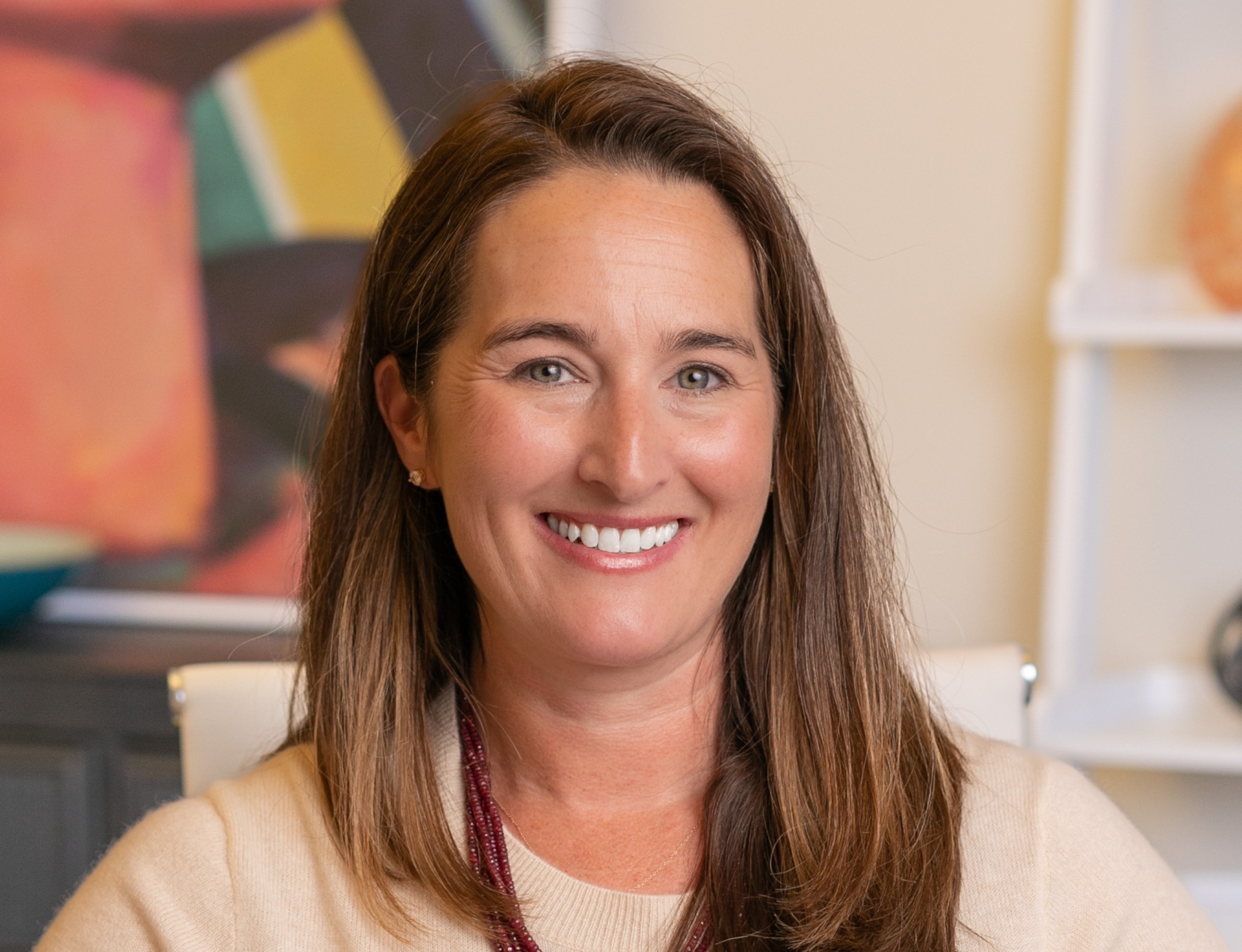
CEO of Teal Health
Kara is the founder and CEO of Teal Health, the company behind the first FDA-authorized at-home cervical cancer screening device. Before founding Teal, she worked in healthcare and software investing at .406 Ventures and Emergence Capital, and held product and marketing roles at Zendesk and Stitch Labs.
Interview Summary
Kara Egan is the founder and CEO of Teal Health, the company behind the first FDA-authorized at-home cervical cancer screening device. Designed as an alternative to the traditional Pap smear in the clinic, the Teal Wand allows women to complete screening privately at home, with results returned in roughly five days.
Cervical cancer remains highly preventable through screening, yet nearly one in three women in the U.S. are behind on recommended testing. Kara approached the problem less as a diagnostic gap and more as a failure of access and patient experience. Teal built its product around those constraints with a consumer-first design approach focused on the full screening experience — from onboarding to reminders, clear instructions, and home-use realities like small bathroom spaces and unsupervised collection.
To support FDA authorization, Teal conducted a 17-site nationwide comparative clinical study mapped to U.S. census demographics. Rather than pursuing a narrower indication focused only on underscreened populations, the company expanded the study to the general screening population. Patients first self-collected using Teal’s device before completing a physician-collected screening with a speculum, with both samples analyzed using the same Roche Cobas HPV test. The study demonstrated the same 96% sensitivity as the standard of care.
Teal also received formal support from the American College of Obstetricians and Gynecologists (ACOG) and was added to American Cancer Society screening guidelines, helping reinforce institutional trust around self-collection screening.
Founded in 2020, Teal received FDA authorization in 2025 and launched direct-to-consumer across all 50 states within eight months of regulatory approval. The company operates through a B2B2C model combining at-home screening with physician oversight, telehealth support, reimbursement pathways, and clinical follow-up. Currently, insured patients typically pay a $99 kit fee alongside covered telehealth services, while cash-pay pricing is $249. The company reports a 98 NPS score from thousands of users, and broader insurance coverage is expected beginning in 2027 through updated federal preventive care guidelines under the Affordable Care Act.
Top Takeaways
At-home care experiences should include support and follow-up. Scheduling friction, unclear instructions, embarrassment, follow-up logistics, and other access challenges compound quickly in preventive care. Devices designed for convenient at-home use are adopted when they address those barriers while fitting into how people already live and navigate care. In unsupervised settings, the product experience has to provide the confidence, guidance, and support patients would usually expect from a clinician.
Build clinical evidence around the market you ultimately want. Clinical studies shape far more than FDA clearance. They influence labeling flexibility, physician confidence, payer adoption, guideline inclusion, and long-term positioning. Regulators optimize for safety and approval, while CEOs need to optimize for market creation. Designing studies around the broader commercial opportunity can justify additional complexity and cost upfront.
Healthcare adoption depends on stakeholder alignment and trust. Better patient experience alone rarely changes healthcare behavior unless the surrounding stakeholders also benefit. Build follow-up workflows, reimbursement pathways, and institutional partnerships to align stakeholder incentives while understanding who is economically impacted.
Investors fund measurable business momentum, not just mission. Healthcare founders often focus on the problem and its patient impact, but investors evaluate companies through metrics like market size, CAC, ROI, growth, and execution consistency. Investor concerns also change by stage and investor type. And remember, the best CEOs are always preparing for the next round.
Sponsors
FastWave Medical: Named MD+DI's Company of the Year, FastWave is one of the hottest medtech startups in the cardiovascular space. See how you can invest here.
Medsider Fundraising Cohort: Planning to raise capital for your medtech startup? This live, 4-week workshop, led by Medsider is designed to help founders and CEOs tell a sharper story, get investor meetings that matter, and close real capital. Join the waitlist here.
Key Moments
02:49 Kara’s background in health technology investing and software that shaped Teal’s consumer-first approach
05:14 How Teal turned the traditional Pap smear into the first FDA-authorized at-home screening product
07:30 Turning at-home testing, telehealth, and clinician follow-up into a single care experience
13:48 Raising Teal’s first $1M with mockups and consumer-grade design
22:17 Teal’s comparative study that matched physician-collected screening with 96% sensitivity
23:40 How asking women what they actually wanted changed Teal’s view of the market opportunity
32:05 “Take off the healthcare hat” — Kara’s framework for fundraising, incentives, and commercialization
41:48 What investors actually care about beyond the company’s mission

Chat with Scott
Ask ScottBot questions about this interview, key takeaways, or other medtech topics.
Full Transcript
When I went to go fundraise, I just found a designer who could make a mock up of what it could be. And I do think for us, that was really helpful because my investors were more generalists. And they were kind of like, this has a consumer great appeal. If we had shown just a really rudimentary prototype, it wouldn't have gotten people to lean in to, like, oh, this is cool. This is amazing. So even from the get go, we just used a designer to say, make a realistic looking product ad, basically, that showed not only the device, but the unboxing experience because that was always gonna be a part of it.
Narrator:Welcome to Medsider, where you can learn from the brightest founders and CEOs in medical devices and health technology. Join tens of thousands of ambitious doers as we unpack the insights, tactics, and secrets behind the most successful life science startups in the world. Now here's your host, Scott Nelson.
Scott Nelson:Hey everyone, in this episode of Medsider, sat down with Kara Egan, founder and CEO of Teal Health. Teal Health is the company behind the FDA authorized at home cervical cancer screening wand. Before founding Teal, Kara worked in healthcare and software investing at .406 Ventures and Emergence Capital and held product and marketing roles at Zendesk and Stitch Labs. Here are a few topics we explored in this conversation. First, what does it take to build trust and support into at home care experiences? Second, how do you decide when broader clinical evidence is worth the added cost and complexity? Third, who will be economically impacted by your technology and how do you solve for that? And last, how do investor priorities shift between generalist and health care focused funds?
Scott Nelson:Before we dive into the full episode, if you're a Medtech Founder or CEO preparing to raise capital, you should check out the Medsider fundraising cohort. This four week live workshop combines small group sessions with real time feedback to help you sharpen your investor story, build a targeted investor pipeline, and run a focused fundraising sprint instead of a never ending slog. Over the month, you'll walk away with an investor ready narrative and deck, outreach scripts that actually get responses, a refreshed LinkedIn profile, a simple content plan that keeps you on investors' radar, and a repeatable system for running your raise. You can join the wait list at medsider.com/fundraisingcohort. Again, that's medsider.com/fundraisingcohort. Alright. Let's get to the interview.
Scott Nelson:Alright, Kara. Welcome to Medsider Radio. Appreciate you coming on.
Kara Egan:Yeah. Thanks for having me.
Scott Nelson:Took us a bit to get here. Right? But I'm definitely looking forward to the conversation. I recorded your bio, albeit a very abbreviated version at the outset of this interview, but let's start there. I wanna hear it from you first. What's the one to two minute kind of like elevator style overview of your background before taking on the CEO role at Teal?
Kara Egan:So my background is I started my career investing in health tech. And so that's sort of where I like first had a passion for what really telehealth could be, right? It was over twenty years ago and I think it was still like so early that telehealth could be a thing. But that's where like my deep passion for that came about. And then I went to business school and used as a transition to work at a couple different tech companies.
Kara Egan:And for me, that's sort of where like deep down I learned I was an entrepreneur, like I'm a builder, I like the early and even my first VC job was really we were building a firm for the first time and so there was a kind of like that energy. But then I went back into investing, sorry, I worked at a couple different tech companies and then went back into investing on the tech side. And so I think I've always kind of like looked at the world, especially as an investor about kind of like, what can you learn from this company that you can translate to this company and the same thing being like, what can we learn from this market that we can translate to that market and how do we kind of take like the best of all of these experiences that I experienced myself as, you know, a consumer of healthcare, as somebody who's worked in technology and as somebody who like understands healthcare, what are kind of the best things we can take from each. And so what kind of brought me back to Teal and starting women's health company is really a combination of all of my background, but a piece of it was actually Zendesk where we worked as a customer support software. And it was like, how can we create a customer journey that's so tailored and engaging for an Etsy shop owner that's selling a $20 product, but yet I've never had that kind of engagement and touch points and connection with a health care provider or, you know, whether it was like, whatever I was going through at the time. And so that's kind of how it all came to life where it was like, hey, let's take all this technology that we're seeing and let's apply it to women's health that just needs more of everything.
Scott Nelson:You've got this mix of like software experience plus a lot of venture experience and now building a healthcare startup. It looks like I'm looking at your LinkedIn profile now, which we'll link to in the full write up on Medsider. But it looks like you hit the ground running at Teal back in early twenty twenty, the magical time of March, March 2020, which all of us remember. For those that aren't familiar at all with Teal and kind of what you're building, tell us a little bit more about the Teal wand. Maybe explain this as if I'm a freshman in high school and I like, I kind of don't know, like, I don't know how patients normally get this sort of like diagnostic, like give kind of a high level overview in simple terms.
Kara Egan:Sure. So Teal has created the first FDA authorized at home cervical cancer screening. And so the cervical cancer screening is what we colloquially call in The US the Pap smear. And so it is a screening for cervical cancer. And what's really amazing about screening for cervical cancer is it's entirely preventable through screening.
Kara Egan:So the way that we screen these days, even though we call it a Pap smear is HPV. HPV is a pre cancer, and so we can actually detect it before it ever becomes cancer and manage it that way. And so it's a really important screening. But the way it's done today is it's done in the doctor's office with your feet in stirrups and an archaic device called the speculum that kind of pries you open and allows a doctor to scrape some cells off your cervix. So it's, yeah, I feel like you've been like, am glad I don't have a cervix. And I've never had to experience that before. So that's how it's done today. But the problem is bigger than just the experience.
Kara Egan:The problem that we have in The U. S. Right now is we have a healthcare crisis, There are not enough providers and so one in three Americans can't access preventive care and that's where this cervical cancer screening typically lives in your annual visits. And so if you can't access preventive care, you can't access this screening and so we have close to one in three women currently behind on their cervical cancer screening and as I said before, it's completely preventable through screening and so what Teal allows you to do is just collect it comfortably and privately from home. So I know this is like audio, but I happen to have a wand here. But so it's just the ability to collect your own sample, and we give you everything that you need in the box to send it back to the lab. We ran and I'm sure we'll get into it in more detail, but we ran like a clinical trial and we showed that we had the exact same accuracy as the doctor's office.
Kara Egan:So from a clarity of like what you can do now, it's like, hey, we're using the exact same test that you use in the doctor's office. We have the exact same accuracy as if it was done in the doctor's office, but you can just comfortably and privately do it from home. And so our goal is just making sure that women know to get screened for cervical cancer, whether through Teal or in the office, but it's really important that we catch back up.
Scott Nelson:I love the device that you just showed. I know people are listening to this, right? But we'll try to maybe capture a screenshot of this or something like this, but like great box.
Scott Nelson:Just to recap, if I'm, let's say I do have a cervix, right? As an example, and I'm interested, someone told me I need to go get a Pap smear. Right? Maybe it's my primary care physician. I don't wanna go through like the standard. I just, I order this online. Yeah. It's shipped to me. I do it at home then send it back. And how long does it typically take to get results back?
Kara Egan:Yeah. So it's pretty quick. So the way it works today is you would go to Teal. You would get to a short eligibility registration, then you get matched with the clinician. We are both a kit and a telehealth platform that supports screening. And we support screening in terms of getting you the kit, but we also support screening in terms of sending you reminders to make sure you send it back in, as well as if you have an abnormal results, we'll meet with you again to explain what that means and refer you into any in person triage that you might have. So you really kind of supported the whole way. We always say like you might collect privately but you're never alone, right? When it comes to like working with Teal. So that's how it works today.
Kara Egan:If you send it into the lab, we kind of have expedited shipping. So it'll get to lab and call it three days and you'll have your results back in two. So call it five days from collection. You should have your results.
Scott Nelson:Okay. So within within a week or so. And is this something that right as of right now, is it is it cash pay? Is it covered by insurance? Tell me a little bit more about that.
Kara Egan:Oh my gosh. This is the best part. Okay. So today, if you have insurance at NeMassCigna, Blue Cross Blue Shield, or United, we bill for the telehealth portion and then there's a $99 kit fee. If it's cash, it's $249 However, we got on the Health and Human Services guidelines and so as of 01/01/2027, anyone who follows the Affordable Care Act, so all private insurers have to cover at home screening with no cost sharing, so free to all women. No copay, it's a preventive care code. So no copay, no hit to your deductible, no coinsurance.
Scott Nelson:Wow. Those are nice. Yeah. Pretty nice pretty nice tailwinds. Yeah.
Kara Egan:It is. It's fantastic. And, I think I think everyone knows we have a problem. Right? Yeah. You can't one in three women are behind is something we can't, like, wait around to figure out if people wanna cover it or not cover it. It's better for everybody. We actually found all not all insurance, but all of the major ones actually came to us before the guideline change to say, how do we roll this out?
Scott Nelson:Okay. Got it. Yeah. It's still this is a little bit of a a side tangent, but it still amazes me how many people in, that are building or that just it just involved in health care in general scoff at the idea of, going direct to patient. Right? Or, like, even if you technically aren't direct to patient, having some sort of patient facing aspect to your business. And I'm like, look, you do realize like how difficult it is just to get an appointment, right? With pretty much any provider, like what do you think people are gonna do, especially with LLMs. Right? Like Yeah. Do you do you really think they're gonna wait around? No. I mean, they're gonna they're gonna they're gonna go find answers themselves. You know what I mean?
Kara Egan:The front door is changing. I mean, this is like the best part about telehealth. Right? Like, that you really can address these care gaps with providers that, you know, maybe don't live there but are licensed there. Like, it's so important to to go direct to consumer.
Kara Egan:And I mean, what we think with Teal is also like, it's so important even if you're selling in through a provider, depending on what you're offering, it is a B2B2C sale. And if you don't know how to talk to your patient about why she wants in our case, she wants to do the screening and make her feel, like, compelled to take action, it won't matter whether it's direct to consumer or if it's through a provider or a payer or health system, they're not gonna do it.
Scott Nelson:Right. Yeah. A 100%. I'm looking at the website right now, which we'll link to in the full write up on Medsider, but it's getteal.com, getteal.com, just as it sounds, getteal.com. We're recording this in Q2 of twenty six for someone that may be listening to this, you know, three or six months down the road. Give us a sense for kind of, you know, where the company's at, like, today and maybe what's planned for the the rest of the year here in 2026. It's I was more saying it's like it's why do we have it, like, you know, as you mentioned you're also fundraising, like, you know, you're telling your story all the time, and it's pretty cool. Like, Teal in, like, you know, within eight months of coming through the FDA, right, had launched in direct to consumer. We had launched in 50 states. We had gotten on the American Cancer Screening Guidelines, gotten on the Health and Human Services Guidelines. Like, we've really, like, done a lot. What do we think is coming up? Just continuing to reach more women.
Kara Egan:So I think, like, you know, getting making sure that, you know, there's a health and human services requirement that you cover, but we still need to go to each payer and make sure they know how to bill and know how to pay. And so making sure that's, like, set up. Working with more provider. I mean, I we were surprised at how quickly providers did want to be a part of this. It's actually, like, really encouraging to realize how much they do believe in patient preference and understand that their patients want better experiences.
Kara Egan:And so another great thing that happened was ACOG, which is Lean College of OBGYNs, just formally endorsed Patient Collect and At Home Collection. So like they're all kind of coming. So for us, I think finding ways to engage with more populations and health systems and partners to just really get Teal as broadly as possible. So that's probably the goal.
Scott Nelson:Yeah. Those are some big ambitions, right? I mean, we only have six months left in the year, but it sounds like it's raising more awareness generally for broader access and then continuing to work with payers to ensure that those, any friction that may exist is removed from the kind of the process. So with that said, let's maybe spend the next half hour or so kind of going back in time and learning a little bit more about your journey building the company over the past six plus years now. And obviously I wanna tap into your previous learnings as well, right, before Teal as well.
Scott Nelson:So first question I've got kind of is more related to kind of that early stage kind of product development, which I think is arguably one of the most difficult because you don't have typically a lot of capital, right? You don't have a lot to show, right? To be able to raise like seed capital, which there's not a lot of investors at that stage anyway. So give us a, when looking back at those early days, were there a few things that stood out in terms of how you kind of worked through that iterative process with relatively, I would imagine relatively little little resources at the time?
Kara Egan:Yeah. Wonder what you consider little resources. We'll find out. So for us, I have a co founder who created the first prototype as part of Stanford BioDesign. And part of Teal is just like listening to women, right? What would women want? And it was just something that we were never gonna use, right? Like it was a great prototype of what conceptually could be.
Kara Egan:And so I would say for me, of the first learnings was you don't have to build everything. You can just kind of, like, mock it up. Right? And so I raised a million dollars to basically so that's why I'm like, maybe it was a lot, maybe it's a little. I would argue it's, like, somewhere in between.
Kara Egan:But we raised a million dollars to redesign the whole product with Idea. So, like, kind of, like, break it down, what does it really need to do, both in terms of making a woman feel confident to use it herself, and then also confident in, like, the quality of collection that it's gonna do. But we didn't really stop there. We kind of, like, also stepped back and thought: What is every part the experience that needs to change, right?
Kara Egan:If you were only thinking about the device, might not think about like a telehealth support or platform, you might just say this is going be in the doctor's office and they're going to use it there, right? And so we can look all of the problems associated with getting screened. But when I went to go fundraise, I just found a designer who could make a mock up of like what it could be. Right? And I do think for us that was really helpful because my investors were more generalists.
Kara Egan:Right? And they were kind of like how it and back to like, this has a consumer grade appeal. Like, if we had shown just a really rudimentary prototype, it wouldn't have kind of like gotten people to lean in to like, oh, this is cool. This is amazing. So even from the get go, we just used a designer to say, make a realistic looking product, like, ad, basically, that showed not only device, but the unboxing experience because that was always gonna be a part of it.
Kara Egan:So I guess what I would say is with the very limited funds, we basically just, like, made it up. Right? That was, like, $500. And then, you know, we raised a million and did more with IDEO with that million, but we used a lot of it to redesign the product and make sure it was something that really worked.
Scott Nelson:Did you say who who'd you work with? You said IDEO. Oh, okay. Yeah. Yeah. Okay. Very good.
Kara Egan:They're kind of like the leaders in consumer centric design.
Scott Nelson:Oh, yeah. Yeah. Yeah. For sure. So so it's interesting that you mentioned, like, just producing mock ups. Right? Because I think a lot of a lot of folks in in more traditional medtech say, like, I I actually need to build a thing. Right? Which don't get me wrong, like that's important too, but sometimes your thing could scare a lot of people off, especially if you're pitching to, like you said, a more generalist audience. Typically at pre seed, seed stage is more generalist audiences, right? And so I I think it's interesting that one, not only that you that you went to a mock up, right, to kinda give them a better feel of what this could be, right, and you kinda selling the future, but also also that unboxing experience.
Scott Nelson:Right? And Yeah. Kinda gives a sense for, like, what not only what the product could be, but what the experience could be, right, for the for the end user. So I think sometimes it's just easy to to to gloss over some of those what seem like more straightforward things to do. Right? But, like, super, super important to try to get get some early early traction from an investment.
Kara Egan:Yeah. And I feel like now it's probably even easier to do things like that with, like, Claude design. Right? It's just like try it again, make it you know, it's just like it can just build something for you that you also can kinda, like, iterate there. And like be like, what would it look like when it's this? I would you know, what if it said that? Yeah. Yeah. Very much easier.
Scott Nelson:Yeah. A little $20 a month, you know, Claude Pro subscription will will go a long way these days. Same thing with the with GPT, you know, 5.5 is actually pretty quite quite good. With that said, follow-up question when it comes to kind of like early stage design iteration. Obviously this is being, you were designing this for home use. Anything kind of like interesting or like challenges or maybe things that you kind of went through designing it for specifically for home use, right? Like, cause that often comes with some, maybe sometimes some more difficult challenges, but maybe some different obstacles to kind of think through, because this is not a physician using it at home. It's a lay consumer, a lay patient.
Kara Egan:Yeah. I don't think we did anything particular. I mean, we've just always kind of taken a slightly different approach. So I remember when we were making the instructions, I was just, like, asked my head of Clin/Reg, I'm like, can you use color? And she was like, what? And I was like, can you use color? And she was like, of course. I'm like, well, I've just never seen any instructions with color. They're just always these like big, like, you know, fold outs of black and white with 5,000 things. And so I just know if the FDA might be like, oh, color blindness. Everyone has to be like, I didn't know. And she was like, no. It's just no one's ever cared about marketing. Right?
Kara Egan:Like, no one's ever kind of thought about that unboxing experience. And so I think for us, we always went into it with an unboxing experience more about kind of like how does a woman feel when she like starts to do this. But I do think it's equally important when you're thinking about really guiding a woman through the process and making sure she like has everything she needs. And so for us we did spend a decent amount of time. Sorry I keep like showing it Like, at least you can see it.
Kara Egan:In the box, kind of, like, even, like, the colors and the wording here is supposed to, like, make you calm. Right? But then we have, like, no color on the box because it's, this should feel a little bit, like, not, like, clinical, but, like, now we're getting into medical, but every single thing is laid out in the order that you will need it. And we also wanted the box to be something that you could kind of prop on whatever style bathroom you might have. Right?
Kara Egan:Like, I am fortunate to only have one bathroom in my house and it has a pedestal sink. So I was a great candidate for like, what is the smallest workspace that you would have? Like, you know, whether it's on the back of a toilet seat or, you know, maybe you wanna do it in your bedroom, but like, did you have everything stable to be able to just kinda like do it right then and there? Yeah. So I think that we always thought about it first from just like a consumer experience, but I do think we did then lay everything out to make sure there were no questions when a woman was going through on her own.
Scott Nelson:Yeah. That's super interesting that you I mean, those are just some of like the unique challenges, right, designing a product for home use. It's like thinking about like, look, mean, everyone's bathroom's not the same space wise, like how much space wise in terms of like total bathroom space, right, versus space to actually set a box, you know, when they're doing this test. Like super interesting, but I'm laughing because hearing your comments about like the instruction, the IFU, right? It's like, it's a running joke, right? Like at least with my team of like how bizarre these traditional IFUs are, because I don't know if I've met a physician maybe over the past ten years that has actually read an IFU. Maybe that's partly or maybe that's mostly due to the fact that like they're terrible to read. Like who's gonna read this thing, right? I mean, they're ridiculous. And so like I 100% feel the same way. Even if it's like a device that's used in like a cath lab or a OR, like no one reads these things because they're terrible to read, you know?
Kara Egan:It's so funny. Ours aren't even terrible to read, but whenever we were doing kind of like pilot studies where we'd bring in like friends of, you know, the team, it was always the doctors that, like, didn't read anything and, like, kind of mess something up and were like, well, etcetera. They're, oh, I didn't read that. And you're like, okay. Whereas actually, like, most of the patients, like, who are not doctors were like, I'm gonna read this. Right? Yeah. They'd never have them kind of, like, tripping over the same simple things where it'd like, they wouldn't put their name on the vial. Like, it's pretty clear. You should put your name on the vial. You know, it's like but of course, it was always the clinicians, the doctors that were the ones who
Scott Nelson:Yeah. So maybe maybe the take home is if you're thinking about an IFU, don't be afraid to actually make it readable. Like and actually like good instructions. Right? Yes.
Kara Egan:But it's funny. It's it's never ending. Like when you were talking about your team, like, I feel like our team, we had this thing. Like everyone has taken their moment being in charge of the IFU. Like, it we you know that song was like, this is the song that never ends. Like, we were like, this is the IFU that never ends. Like, we're just always adding it, iterating something, you know, like, finally it ended. Yeah.
Scott Nelson:The naming convention is like enough, you got to have enough digits, right? Because of so many different iterations of Exactly. I'm right there with you. Let's transition to Reg/Clin right? Because the first of its kind in home diagnostic test for cervical cancer. And so I think that obviously is very, very cool, but I also don't want to underappreciate what it took there, right? To get authorization from FDA. And so maybe let's start out with the clinical study first, Right? Was that required as part of the regulatory?
Kara Egan:It was. We were an in vitro diagnostic. Even though it's like the actual thing is a sample, you know, like a med device sample collection because it's a cervical cancer screen because it's being run on the Roche cobas HPV. It required a clinical trial and understanding.
Scott Nelson:And tell us a little bit about that because it was if I'm if my notes are correct, think it was like you did you compared to in clinic testing versus at home testing? Okay. Yeah.
Kara Egan:So the way it worked was it was a comparative study. It was a 16 site nationwide clinical trial. Another thing we cared a lot about was making sure that it mapped really closely to The US population because this is something for everybody, right? And we needed to make sure everybody could do it, liked it, what have you. And so the way it works is you would come in and you would be given the and it's funny that you really just had the instructions in a bag with the wand like you didn't have a lot of stuff. I mean you had the like the vial and stuff, but it was not a beautiful unboxing experience. And so they would go in and they were supposed to do that with, like, no additional help. So, like, what does it look like to do it at home? Like, so no doctor walked them through anything. They just kinda, like, went into the room.
Kara Egan:And so then they would self collect, and then the doctor would come in and do it through the standard of care way with the speculum and the stirrups. And so both samples would then get sent to the lab and run on the exact same Roche Cobas HPV test, and then you compare to see how they perform. What we found is we had the exact same accuracy which is called the sensitivity for CIN2+ as the doctor which was ninety six percent. So match them exactly at a very high rate.
Scott Nelson:Okay. Got it. And I'm assuming you worked with FDA on that that that trial design and Yeah. Yeah.
Kara Egan:Lots of I mean, this is one thing that I really do think was helpful when we think about, like, advice for others. We did a lot of Q subs or pre submissions or whatever you call them to make sure we got it right. Like this is what do you want to see? And is this going to be enough? And in the beginning, they actually were like, and because again, I think most people were thinking this was going to be for the under screened community. Right?
Kara Egan:So like how do we get them and they might look a little bit different. And so we were they were like, hey, why don't you just do it only in an enriched community, meaning like people who are so in that world, was people who are coming back already with a high risk HPV result. But we knew we wanted to go to everybody. So even though they said we only need you to do that, we also expanded it out to the whole gen pop, which again, because our data was so strong, allowed us to come through as a general indication as opposed to just for kind of like people who are behind on their screening.
Scott Nelson:Was that decision largely driven from kind of be being able to kind of, I guess, tell that story once you did have, you know, authorization to sell it? Like, hey. Look. This is not just for this very, you know, relatively niche, you know, or small segment.
Kara Egan:Very strongly. Again, having listened to women. Right? Like, think people were like, oh, only people who aren't coming into a health system will use an at home. And you're like, have you asked any woman how she feels about that screening? Right? Like, she would prefer a different way. Right? And so I think for us, we just always knew, like, you know, when people ask us, like, why Teal? Like, I really genuinely think there were certain things that had to happen.
Kara Egan:Right? Primary HPV became the de facto way to screen that allows vaginal collection and cervical collection to be able get done. So there were things that from a science perspective that were important, science and regulation, I would say, that were important. But the other big thing is, like, we we understood that the market was everybody. And I think no one cared to do this when they thought the market was a group that was disengaged from their health. Right? And we always knew the market was everybody.
Scott Nelson:Yeah. I think it's something that like a lot of a lot of founder CEOs maybe I don't wanna say gloss over, but they'll pigeon hole themselves by by designing the study just for regulatory approval, whether it's a class two or a class three device regardless of what classification the device is. And I get that, right? Because sometimes there's cost implications, there's timing implications, etcetera.
Kara Egan:It's hard to go back and start it again.
Scott Nelson:Yeah. Yeah. You just get typically one swing at the plate here. And if you want, if you know, if you have strong conviction around reaching or marketing to a broader audience, maybe sometimes it's worth more effort, more cost upfront, right, to do that sort of work. So it's an important takeaway.
Kara Egan:Yeah. I think the other takeaway having listened to women and we pulled this out of our clinical trial too, which was really interesting. That's like we mapped almost like exactly to The US census data, like in every way. I think people make assumptions about who's behind on their screening. Right?
Kara Egan:And so, yes, of course, if you're uninsured, like the rate was higher, like forty percent were under, like, behind on their screening. But it did not matter how you cut the data. One in four or more were behind on their screening. So whether you were in an urban setting, whether or not you were high income, whether or not you had, like, employer based insurance or on Medicaid, like, it did not matter one in four or more have been behind on their screening. It's a problem everyone faces.
Scott Nelson:How often are you supposed to get screened?
Kara Egan:Yeah. So you're supposed to get screened now every three to five years. Okay. As the screening got better, so this is the other thing I think people are always like, oh, but isn't but I'd rather a Pap smear. Are you sure? Because it's fifty two percent accurate. Right? Like, was a reason why you had to get screened every year when that was screening. It just wasn't very good. Once we got into HPV as the reason why people have cervical cancer, the screening, like the the sensitivity or accuracy just got so much better.
Scott Nelson:Okay.
Kara Egan:And that's why it can extend out three years, five years between.
Scott Nelson:Got it. And it looks like you got, your team got breakthrough designation in kind of mid twenty twenty four. What kind of laddered up to that decision to pursue breakthrough?
Scott Nelson:Hey everyone, let's take a quick break to talk about Fastwave Medical, the company I co founded and lead as CEO. We're developing next generation intravascular lithotripsy, or IVL, systems to tackle complex calcific disease. Over the few years, we've closed a series of oversubscribed funding rounds, bringing the total investment into Fastwave to over $50,000,000 Corporate interest in the IVL space is growing too, the $900,000,000 acquisition of Bolt Medical by Boston Scientific in 2025, and Johnson and Johnson's $13,000,000,000 acquisition of Shockwave Medical signal a lot of attention on emerging IVL startups like Fastwave, and we're making serious progress. In addition to recently receiving our ninth patent, we've successfully completed peripheral and coronary feasibility studies and are gearing up for pivotal trials. If you're interested in investing in the fast growing IVL market, head over to fastwavemedical.com/invest. Again, that's fastwavemedical.cominvest.
Kara Egan:What's funny is when I started this, I knew nothing about any of this stuff. And it was in COVID when everyone was like, oh, just go for breakthroughs, they're giving out like candy. And I'd look back and I'm like, it is so insane because I would be the one doing these Q subs or doing these submissions. I did not know what I was doing. And we submitted for one before we had even like designed the device with IDEO.
Kara Egan:Right? Like it was just it made no sense. And they were like, do you have any data? And we're like, oh, data. That's what you're looking for. Interesting. Yeah. I'll be just one minute here. We'll be right back. We'll be right back to you. But I think we just always have our mind we wanted the breakthrough. Right? And even though again, it was years later that we built the right data set to do it, but we did intentionally, I mean, we probably would have even without the breakthrough, but we had an interim analysis, right? So we could look at the data, not we, you know, blinded person could look at the data and say whether or not we were on track. And so the data was just so good at the interim analysis that we were able to submit for the breakthrough at that point. So that was fantastic. So then by the time the study was done, we already had it.
Scott Nelson:Since getting breakthrough designation, has that helped in other kind of unexpected areas of the the business having that?
Kara Egan:Not yet. I mean, I think it helped obviously with the FDA. Like, whole idea is like, you're at the top of the pile. Yep. I think I mean, it probably did in ways that in rooms that we're not aware of. Right? Like the whole point of the breakthrough device designation is it has like importance to public health that it gets, you know, a faster track if, you know, it's eligible to get through. And probably that did lead to, you know, the health and human services knowing that this is important to like public health and that we have to have like policy that reinforces including patient collect and self collect and at home. So probably, but no one's ever come back and been like that was because of the breakthrough.
Kara Egan:And then the other place that changed for us, and actually, should look back up, we wouldn't it's not grandfathered to it doesn't totally matter. But once upon a time, the breakthrough came with CMS reimbursement. Because the whole idea there was basically like, hey. Payment's everything. Right? So it's one thing to have a great solution, but if everyone's not able to immediately take advantage of it because of payment, then it's challenging.
Kara Egan:And so the whole idea is we need to break it through the FDA and into market faster. That wasn't a part of it when we were there. That would have been fantastic. And so that would be the other place that they it was going to congress at some point to see whether or not they wanted to add that back in. I don't know if they did because again, we wouldn't have grandfathered it.
Scott Nelson:Got it. Did you see timelines improve with your Q subs because of having breakthrough or not?
Kara Egan:We were already in trial. So it wasn't— it was after the fact.
Scott Nelson:It's it's funny when you're talking about the you know, back in back in COVID and FDA is giving out breakthroughs like like candy. I just I'm remembering that, like, that Oprah meme where it's like, you get a breakthrough.
Kara Egan:You get a breakthrough, you get a breakthrough. I know. Was like, but I didn't get a breakthrough? They're like, yes, because none of this makes sense. Like you wrote it without the benefit of even a Claude. Maybe now I would've gotten through. But no, it was just me trying my best to hack together what I thought would be a fantastic breakthrough device.
Scott Nelson:No. That's funny. That's good stuff. Let's talk to let's talk about commercialization. Right? Because you're you're obviously in in full on commercialization mode now as we're reporting this. Any sort of non non obvious lessons or maybe just interesting insights that you picked up on commercializing kind of in this capacity, right? Where it's obviously a consumer play, but there's also this B2B2C kind of aspect as well, right? So any interesting learnings that you can maybe pass along to other CEOs that have are commercializing with the with the similar sort of framework?
Kara Egan:Yeah. I mean, I always think about it, and I think it does come from being an investor side or already knowing the health care ecosystem. Like, that idea of, like, whose pocket are you taking from? Right? Like and so it's like the patients, the providers, or the payers, and it's like rarely are all three of them happy, right?
Kara Egan:So like for example, with Cologuard, if you're doing Cologuard, which is at home colorectal screening, you aren't gonna get a colposcopy, right? So the colposcopists aren't happy because you're now shifting their revenue out. So I do think one of the things that's helpful for people to think about is like, who's willing to pay? Who's willing to partner with you? Like, I don't know. I often say to people, like, I think when you're in health care, you're in healthcare because you genuinely care. Right? Like, you're like, I would do this even if no one was ever willing to pay for it. I believe it should be out there. Like, you care.
Kara Egan:And I think one of the things that's important when you're thinking about healthcare and, like, how you actually navigate in the system is I'm always like take off the health care hat and just put on a business hat. Like, I know it might seem ruthless and might seem whatever, but these are businesses at the end of the day. Right? And did I make more money? Did I lose money?
Kara Egan:Did I save money? Did like just really just think about it in terms of like money transacting. And like how can you make as many people either make money or save money and be happy that you exist with them than not. Just because it's better isn't going to be the reason always, right? If the reason why it's better is because it saves a bunch of money because no one has these other expensive treatments, maybe.
Kara Egan:But otherwise, just really trying to think about everyone's incentives. And again, a little more aligned to business and money. I know it's like always feels wrong, but that's how it gets done. And I think that the sooner you acknowledge that versus fight that they're gonna do it just because it's better for women, like it's just not the same. I don't know if what was the question? Am I answering it?
Scott Nelson:Yeah, no, no, We're talking about commercialization and interesting insights. And I think that's like so spot on because the easy path for most of us, especially when it comes to like economic considerations is, Oh, I've got a CPT code, right? Or my end customer is going to make more money, but sometimes we lose sight of the fact that there's other like decision makers, there's other stakeholders involved, right? And maybe even it's other referral patterns that are impacted someone else is making more money as an example, right? Or benefits economically.
Scott Nelson:And so thinking about sort of the layers, right, to this is like so crucial because it's easy to forget when you're, you know, when you're in the weeds kind of solely focused on what's my end user, who's my end user and how they're benefit from this device or diagnostic.
Kara Egan:And so for us, we've always been thinking about it in terms of getting it fully covered. Right? And, like, when we say fully, we mean preventive care code because it is a grade a preventive screening and it should be covered with no cost, no cost sharing. So that's great. And so we've always had that angle. And then we've also always had the angle of, like, how do we make sure that these other channel partners back to the B2B2C like, have their piece or make sense in it. And so that is something that we think about when structuring our approach to CPT codes.
Scott Nelson:I wanna touch on kind of the the behavioral psychology aspect as well as kind of the this commercialization story because if I'm maybe considering a a Pap smear, right, and I've never heard of Teal that I I hear someone tells me that I go to your website, I'm like, kinda sounds like nice. Right? I don't have to like go schedule an appointment. I I mean, I don't wanna go to the do the saddle thing, you know, or the straps and like, can just order this like a EveryWell diagnostic or something like that. Seems pretty cool.
Scott Nelson:However, it's cervical cancer. So it's like, do I wanna put my trust into the hands of this new startup. Looks Credible, but I know. How have you kind of overcome that sort of that, whether you wanna call it education or credibility gap? Like how do you view it? What approaches have you taken there?
Kara Egan:I think it's always a work in progress. Like for us, luckily, it's sixty six million women who need to be screened. So there are plenty that are ready to go today. There's going to be plenty that need some additional education. For us, the FDA was really important, right?
Kara Egan:Like, I know it's like under attack over these various years, but women need a thing they can trust. I mean, all people patients, sorry, always just like refer to women because that's our patient base, but people need something that they can trust. And so for us, like it really mattered to get the clinical trial. It also really mattered and we are really lucky, like it is the exact same accuracy, right? And we always thought about that because like even just a little bit different is a little bit different, but back to kind of, like, you have to say it the right way.
Kara Egan:Right? Like, you can't say it's the same if it's not the same. And so we did often think about kind of, like, how do you build like, before we got our full results, like, how do you make sure somebody feels confident? And I just think it's something that just happens over time, and I think we'll also learn, like, what influences what, right? So like I do think the way that people are engaging with their health is different these days.
Kara Egan:And so for us, to say it more clearly, we've always been trying to engage the right stakeholders that we believe holds trust. So the first being FDA, the second being the American Cancer Society, right? So the American Cancer Society adding at home collection and Teal was the only one to their guidelines and like calling out like Teal is has the same accuracy and like great patient engagement. Like that is their research based on all the research that's available highlighting who they think is good. So that's like again, so then how does that show up on the website?
Kara Egan:Like, which groups are, like, agree with that? Working with ACOG. Right? So ACOG is leading college of OBGYNs. They just officially endorsed Patient Collect last week. So, you know, now the providers are comfortable and talking about it. But then I think the the last one is just back to, like, people are learning about health in different ways, and it's kind of like word-of-mouth. Right? Hearing from other patients. Like, I think that especially in women's health, like, so much has been dismissed in the doctor's office that they feel a lot more validation coming from a traditional channels such as online, social media, TikTok.
Scott Nelson:TikTok. Can't forget about TikTok. But that that's just kinda hearing you riff on that answer. Just coming and coming back to kind of like the societies. Right? That like the the core kind of professional bodies. How difficult was it getting them on board? Because this is, I think going back to your comment around who this impacts, right? Kind of from a tertiary perspective, what was critical to kind of like kind of pushing some of those partnerships or support, I guess, through the finish line.
Kara Egan:I think just as we were saying, like, when we were designing Teal the wand, we thought about all of the pieces that have to come together to help a woman get screened. Right? Like, just the physical experience is not enough. It's also you have to find a doctor's appointment. Like, how do we ease that?
Kara Egan:The same was true when we approached the market from a, you know, as you said, like these institutions and really thinking like what mattered to them as well. And so one of the main things for them is just adherence. So it's like, are you screening? But then the other thing is when you have an abnormal result, does a woman know what to do with that result? Right? Is she going to get back, like what's the pathway, the clinical pathway back in to make sure that she does her colposcopy or her biopsy. Right? And so we designed that. Right? Like in our flow, if you have an abnormal, we are meeting with you.
Kara Egan:We are writing that referral. We are checking in with you and like navigating you to make sure that you're following up on it. So that was really important to them. So I think when they like heard that we were thinking about all the pieces, it wasn't kind of that traditional consumer like, oh, women can just do it on their own. Like, get out of the way. No doctor involved. Like, oh, no. No. No. Like, a clinician is involved.
Kara Egan:Like this, clinician has to be involved. This isn't like a COVID test where you may or may not decide to like stay at home or let your like work know that you have COVID. Right? Like, no, you need to know what you need to do with those results. And so I think it gave them a lot of comfort that we had thought about that flow.
Kara Egan:I mean, obviously the first step is accuracy, right? Like every doctor and so I think for us it was a combination of what got them ready was, one, they all know there's a problem, right? That one in three number is a problem for every doctor, but these doctors are overworked, overstaffed. There's massive care deserts. They like they are living and breathing the problem and they care about it, they can't fix it. And so they know there's a problem. They care that it worked accurately, and then they cared that it was like thoughtfully designed so that no woman kind of like screened but fell out of the process.
Scott Nelson:Yeah. I can imagine that latter aspect might have been easy to overlook, but the fact that you did did think about kind of what's next. Right? Like a diagnosis is delivered. We going to leave these people just sort of hanging there? Yeah, I can imagine that was pretty beneficial and kind of helping to establish a lot of trust with those societal bodies.
Scott Nelson:But let's use the last maybe five minutes or so to talk about fundraising, right? Which maybe we'll have a little bit more time because I'm especially interested in your thoughts here considering your extensive background as an investor. So one would think, Oh, Kara, she's invested before. Like fundraising should be, she was an investor. She sat on the other side of the table. Fundraising should be super easy for her, right? I presume that probably wasn't the case because raising raising money never is easy, but give us a sense for kind of what what benefits that you took as a former investor right now now CEO raising capital. What what was like especially helpful kind of making that transition?
Kara Egan:Yeah. I know. I've there's so many times where I'm like, oh my god. We expect, like, founders to know so much. You're creating something net new and innovating. And then it's like, oh, also, do you know about, like, payroll and equity management? And you're like, how was I supposed to be, you know, like all of these things that are, it's just so crazy what they expect. And I think my point is on that is they also expect founders to know exactly how they want a slide deck to look, exactly how they make their decisions, but they don't share how they make their decisions. You know?
Kara Egan:So I think the things that helped me having been an investor before was one, a network. Right? Like, I can access most people or I have a friend who can access most people or, like, former colleagues or, you know, network. So I do think, like, that is obviously insanely insanely helpful. Then I think the next piece was knowing how to craft the story in the way that they like to hear it. I actually think it is still hard for me to do that back to what we said in the beginning.
Kara Egan:Like, I think entrepreneurs and health particularly, like, we just care. It's hard to not wanna talk about the thing that we're really doing, but I think investors are like, honestly, you could just give me like six numbers. I don't even necessarily even need in theory to know what it is. Right? Like, because they're kind of a little more number driven. Like, what's the market size? What's, like, the cap? What's the channel? What's you know, it's like, just answer these things. Like, you could literally pull out the topic, and it might not matter.
Kara Egan:And so I think for me, I actually do still struggle with that. Like, I know that that's what they want, but I can't help but, like, want to tell the story of Teal and women, caring. And it's like, well, what's the number that shows women care? You know, like, 20% month over month growth. That's it.
Kara Egan:Like, you don't you don't need an anecdote really. Like, we say they do, but they don't. So I think I know what they want, but I still struggle to do it. There's like too much passion, tone down the passion. Passion feels, I guess, maybe passion probably feels more desperate whereas just showing the numbers is like, oh, blah, blah, speak for themselves.
Scott Nelson:Yeah. It's really important though. I mean, hearing it from you, especially that yes, be passionate, but don't lose sight of the fact that these are investors. Like they're investing their money and they're going to expect not only a certain return, but they're gonna ask a lot of questions about how they're gonna get that return. Right? And so being prepared to kind of adequately answer those. Don't lose sight of that.
Kara Egan:Don't lose sight of that. I also think it was always helpful. You know, you're gonna get nos that are random and then you're also gonna get nos that are good, where they've like told you something about really what the next stage is gonna think about, right? And I feel like for me, I'm trying to remember what it was in the pre seed to the seed, but it was like, if I was talking to a generalist, they were worried about FDA, like how are you gonna get through the FDA? If you were talking to someone who's like healthcare, they're like, of course you're gonna get through the like they're like, FDA is not like easy.
Kara Egan:It's like, but as long as the numbers are there, you're also just gonna get through the FDA and that's gonna be fine. So they were all commercialization. I think that was the thing that they really cared about. And so it was interesting where from a company standpoint, like you're wholly fixated on making sure you get through the FDA, but in order to be pre prepared for the next fundraise, like what are you doing to ensure you have an answer for to your point? Do have an answer for commercialization?
Kara Egan:You have an answer for how the channel is going to view you even if, like, you can't sell into the channel yet. But, having had, you know, conversations or a pipeline lined up of people who have, like, validated that this is of interest to them is helpful even though that wouldn't be, like, what you'd be focusing. It's, like, not, like, I mean, I was literally doing that three years before we were through the FDA. Right? Like that pipeline is arguably irrelevant. Yeah. But, you know, you need to do it because the fundraise cares to know in this next one, do you know these answers?
Scott Nelson:Yeah. Like when you think about kind of your years as an investor and sort of those in between periods between when you first took a pitch from a founder or CEO, maybe had a follow-up conversation a year later even. Are certain founders or CEOs that stood out because of their follow-up during those during those periods of time? Or do you do you recall, like, what stood out to you? Or what what set some of those founders or CEOs that that what set them apart? Right? What was distinct and kind of, like, caused you to lean in and be like, wow. This is let's this is a company or person to watch?
Kara Egan:I think it's a combination of execution. Like, did you do what you said? And if you didn't, is there a reason why you didn't? So I think, like, consistent execution, consistent delivering on what they said they were gonna do. That's like the data points that you're collecting.
Kara Egan:I do think, I could be wrong. I think we all there's a few things that I think we tell all as a VC, we tell all entrepreneurs. And then when you talk to entrepreneurs or even people who are successful, like one of our investors is this company called Forerunner and they're fantastic. But it was a Forerunner event that they had and they had some other investor who was like, we ran an analysis on the top 40 Y Combinator companies, like top most successful Y Combinator, like all the big tech names that you ever know. And they're like 39 out of 40 had only one term sheet at the A or the B.
Kara Egan:And it wasn't like one preemptive term sheet. It was like they had one term sheet. Like, so even these stars that you think are stars, like it's hard, which, to your point, like fundraising is always hard. Right? And so it was like, it was very reassuring to like, it's hard.
Kara Egan:It's always hard for everyone. But it's also this reminder that I think people like, I feel like I talked to so many entrepreneurs who are like, oh, like, oh, my investor. And you're like, guys, we yes, in an ideal world, you love your investors. You've been building a relationship for years after year after year. But like back to that stat, like, maybe the one term sheet they was from somebody they had built a relationship years over years, or it could have been from somebody random.
Kara Egan:Right? And I think that there's like that added pressure I watch and I often tell people I'm like, they tell you that, but that's not how it goes. Like, it's like you get the term sheet, you feel lucky to have it as you should because it is always hard. You only need one. Like, I think this idea that you constantly are like keeping them up to date, like I think loosely, but I'm not sure that's how the deals really get done.
Kara Egan:I think there's, like, there's, like, a momentum to a deal. So, like, I think it's, like, keeping them up to date so you have a pipeline of people to go talk to. Maybe that's it, like, you're not cold. I don't think it's necessarily that you're just, like, plodding along. Like most people act because there's urgency. Yeah. Like you're in a process and they're gonna go and they don't wanna miss it.
Scott Nelson:Yeah. Good insights kind of behind the behind the scenes insights. Right? Is that, yes, build a pipeline, but but don't forget about the fact that you need to create emergency around that process too.
Kara Egan:I also think for me, one other thing also, it's like, I always have like my favorites and I go to them first. And like, it's usually when I'm the worst at presenting what I'm doing. Right? Like, it's like, I'm not ready. I'm like, hey. Like, I wanna come to you before I actually fundraise. So, like, in this last one, I was like, hey. We're gonna fundraise in q one. Just wanna let you know. And so I'm like talking them in December. Right? We didn't even have some of the best things going for us, which is, you know, the guideline change. And, like, I ended up kicking off the fundraise in April. You know? And I'm like but, like, they're already kinda like, no. We're not the right fit. I'm like, oh my god. Imagine if I went to them now. You know? But so I feel like it's always that interesting challenge where you're, like, you're supposed to go to the ones you like first and give them a first peek, but it's usually, like, you're least ready.
Scott Nelson:Yeah. Yeah. Good stuff. I know we're running short on time. I wanna get to the rapid fire portion of the interview. Couple rapid fire questions for you, but before we get there, again, everyone, make sure you visit getteal.com. So just as it sounds, get and then teal, teal, getteal.com. Especially if you're a female, this is a technology that you may even be interested in yourself, let alone you probably have friends and family that could find this extremely interesting. So yeah, highly encourage everyone to visit the website. We'll link to it in the full write up on Medsider.
Scott Nelson:But a few rapid fire questions for you, Kara. We talked about what's ahead over the kind of the next, call it six to twelve months, but I want to get to the one lesson that you think every healthcare or medtech kind of regardless of kind of the segments of healthcare you're in. What do you think that one lesson another founder CEO really needs to understand in order to see any sort of semblance of success at their their startup?
Kara Egan:I mean, I think we alluded to it earlier, but I think it has to do with, like, understanding the business of the business. Right? Like, so how are you like, what's the business of the health ecosystem that you're selling into? Like, do you understand their incentives? Like, really kind of make sure that those are aligned. And equally important, that same idea, what's the business of a VC? Right? Like, they want fast growth. They, you know, there's just certain things that it's not all not all businesses that are gonna be great are good for VC. And so, like, understanding kind of like what is like do you wanna be a huge multi billion dollar company with rapid growth that's gonna burn through some money? Like, great. Go to VC if you have kind of like a a slower stagnant path. But I think understanding the different businesses and kind of like their motivations and incentives allow you to go in like speaking the same language.
Scott Nelson:Yeah. So critical, right? Because it's, I think for everyone that has an idea that they can't get out of their head, they want to do it. And you lose sight of the fact that like, is an idea that can actually turn into a sustainable business? Then two, is even a venture backable business. Right? And so those are oftentimes so different. But all right. Last question I've got for you. Take us back to maybe, I don't know, ten, fifteen, twenty years ago, even. Would there be anything that you'd whisper in the ears of the younger version of yourself?
Kara Egan:It's so funny when I was reading your questions, this is the one that I'm like, I'm gonna answer totally differently, which is I'm not sure I would tell my younger self things, but I think we need to tell more older selves things, right? Which is when I started Teal, I was like 39 to 40. Right? Like, had been a VC. Like, it was like, if you just had asked me, I probably even though this is like where I meant to be, I meant to be building businesses.
Kara Egan:Like, I probably like, I'm probably gonna stay in VC forever. Right? Like, just I think we need to tell more people like, it's not too late. Like, I think people often think like they're set down their path and they're like, but I've already put in all the hard work to be x, like to totally miss, like go for something different. Whereas like, I feel like your younger story, I'm probably I'm sure most people are like, I tell myself, just go for it. It doesn't matter. Like, try to start that company. But I'm like, I would also say do it at forty. Do it at forty five. Do it at fifty.
Kara Egan:You know? I just think like you're you're wiser. You're smarter. You know what you're building. But I think a lot times there's like more responsibilities at home. Right? There's more, like, financial security and, what you're doing this way, but it's not too late. I feel like I I know so many people are stuck in careers that they don't really love. You know? And you're like, you've got a long way ahead of you too. If you think about, you know, I'm twenty years from the start of my career and twenty years from, like, the end of my career. Right? Like, you're at the midpoint. Yeah. You wanna commit to the one that you don't love? Like, okay.
Scott Nelson:Yeah. Why not? I love I love the way you spun that question, though. Like, what what would you tell maybe the older version of yourself? Right? Kind of reminds me of probably a lot of people that are listening and heard of like the I think it was Bezos with the at least he's kind of known for like this regret minimalization framework. Right? When he first started Amazon, it was like, would I regret not doing this if I was, you know, 70 or 80 years old? Something like that. Think is the remember I remember that story anyway. But yeah. But that's that's it.
Kara Egan:You're you're far from 70 to 80 when you're at 40. So you have time to regret that decision if you don't do it.
Scott Nelson:So easy to say, but I say this so seriously, you're exactly right. Mean, it feels like, I mean, if you're especially if you're listening to this and you've got an idea or maybe a startup that you wanna work on, it's not too late. I mean, there's so many stories of like people seeing their first kind of really big win, I guess in the world of startups anyway, quote unquote late in the game. You know what I mean?
Kara Egan:Yeah. I think we like glorify these. It's like, I grew up in the time of like, what's his name? Zuckerberg, right? It's like, oh, he's a billionaire at 28. You're like, oh, I haven't done this by 26. Like, that's the age you're supposed to do. Like, that's the anomaly. Right? Yeah. Actually, once you if you follow Instagram, once we finish this, anyone who's listening will just start getting reminders that like, you know, Walmart was started at whatever, McDonald's. Like, I mean, I get that thing all the time. I'm like, exactly. They were 50. You know, like, go watch what's her names? Documentary, which is super interesting. What's her name? The one who's like best friends with Snoop.
Scott Nelson:Oh, Martha Stewart.
Kara Egan:Martha Stewart. Thank you. She's like reinvented herself like 20 times including like when she was like 70. Like it's crazy.
Scott Nelson:Yeah. Oh yeah. After she's been to like whatever the white collar prison thing was and now and now like everyone kinda knows for us like, oh yeah. She's like she's like homeboys with the Snoop Dogg. Right? Like, that's the lady? Yeah.
Kara Egan:No one I know. Exactly. Totally reinvent herself. Like, now just, like, comment is a commentator with Snoop.
Scott Nelson:I have to remind my kids of like, she was like the like the YouTube, like cooking shows. Like she was kinda doing that like a long time ago. Like that's what she was originally known as.
Kara Egan:She was a trailblazer. Yeah. If you haven't seen her documentary, it's pretty interesting because even the jail thing, she's like, why are we talking about? That was two years of my life. Like like and it's such a it's such an interesting perspective where she was like, okay. Like Yeah. Not ideal. Yeah. She's a great one to study for sure.
Scott Nelson:Alright. This has been a lot of fun. Know we're a little bit over, but I can't thank you enough for carving up some time. Yeah. Thank This is fun. Like great great technology, great business. Gonna be super fun to kinda watch what what you and your team do over the next next several years.
Kara Egan:I know. We've got women love it. I again, I can't remember if I, like, even said of some of Lilly's pricing, I'm like, you didn't name any stats. But it's awesome. I mean like women just love it. Like, we're business people. Like, we're 98 NPS. Like that's insane with thousands Of women using it. Like it's it's just so cool and it has all of these like really amazing tailwinds from like policy from providers. Like it's it's pretty cool to know that we're built something that women want, but we're building something that's gonna solve this really big problem in The US.
Scott Nelson:And huge tailwinds. I mean, obviously great, great product, like huge need, right? Because who wants to go do this at clinic, not to underappreciate kind of the value of going into a clinic. But you know, you're not doing this test there, right? Especially if you do it at home and it's the same, you're on par in terms of efficacy and results. So it's like phenomenal product, but yeah, great tailwinds. Yeah. So Yeah. Congrats on on on getting this far, and it'll be fun to kinda watch what you and your team do here in the future.
Scott Nelson:But, again, for everyone, listening, I'll have you hold on the line. But for everyone listening, you made it this far. Appreciate your attention as always. Until the next episode of Medsider goes live. Everyone, take care.
Scott Nelson:Hey. It's Scott again. One quick thing before you go. You see, I love bringing you insightful conversations with the best founders and CEOs of medical device and health technology startups. But here's the thing. I'd be super grateful if you could help me reach even more ambitious doers who share our passion. So if you found value in this podcast, if you found yourself nodding your head while listening, or if you simply enjoy what we're doing with Medsider, please take a moment to leave us a review. It's super easy. Just open your Apple Podcast app or the podcast app of your choice, search for our show, and scroll down to the ratings and review section. Leave your honest thoughts and hit that star rating if you think we're worthy.
Scott Nelson:Your feedback is incredibly important and it's the best way to ensure we keep bringing you awesome discussions with leading founders and CEOs. So take a moment to be a good friend and leave that review today. As always, thanks for being a part of our journey and for helping Medsider continue to grow and evolve. Your support is greatly appreciated. Alright. Enough talk about reviews. Stay tuned for another informative episode coming at you soon.
Read More
When I went to go fundraise, I just found a designer who could make a mock up of what it could be. And I do think for us, that was really helpful because my investors were more generalists. And they were kind of like, this has a consumer great appeal. If we had shown just a really rudimentary prototype, it wouldn't have gotten people to lean in to, like, oh, this is cool. This is amazing. So even from the get go, we just used a designer to say, make a realistic looking product ad, basically, that showed not only the device, but the unboxing experience because that was always gonna be a part of it.
Narrator:Welcome to Medsider, where you can learn from the brightest founders and CEOs in medical devices and health technology. Join tens of thousands of ambitious doers as we unpack the insights, tactics, and secrets behind the most successful life science startups in the world. Now here's your host, Scott Nelson.
Scott Nelson:Hey everyone, in this episode of Medsider, sat down with Kara Egan, founder and CEO of Teal Health. Teal Health is the company behind the FDA authorized at home cervical cancer screening wand. Before founding Teal, Kara worked in healthcare and software investing at .406 Ventures and Emergence Capital and held product and marketing roles at Zendesk and Stitch Labs. Here are a few topics we explored in this conversation. First, what does it take to build trust and support into at home care experiences? Second, how do you decide when broader clinical evidence is worth the added cost and complexity? Third, who will be economically impacted by your technology and how do you solve for that? And last, how do investor priorities shift between generalist and health care focused funds?
Scott Nelson:Before we dive into the full episode, if you're a Medtech Founder or CEO preparing to raise capital, you should check out the Medsider fundraising cohort. This four week live workshop combines small group sessions with real time feedback to help you sharpen your investor story, build a targeted investor pipeline, and run a focused fundraising sprint instead of a never ending slog. Over the month, you'll walk away with an investor ready narrative and deck, outreach scripts that actually get responses, a refreshed LinkedIn profile, a simple content plan that keeps you on investors' radar, and a repeatable system for running your raise. You can join the wait list at medsider.com/fundraisingcohort. Again, that's medsider.com/fundraisingcohort. Alright. Let's get to the interview.
Scott Nelson:Alright, Kara. Welcome to Medsider Radio. Appreciate you coming on.
Kara Egan:Yeah. Thanks for having me.
Scott Nelson:Took us a bit to get here. Right? But I'm definitely looking forward to the conversation. I recorded your bio, albeit a very abbreviated version at the outset of this interview, but let's start there. I wanna hear it from you first. What's the one to two minute kind of like elevator style overview of your background before taking on the CEO role at Teal?
Kara Egan:So my background is I started my career investing in health tech. And so that's sort of where I like first had a passion for what really telehealth could be, right? It was over twenty years ago and I think it was still like so early that telehealth could be a thing. But that's where like my deep passion for that came about. And then I went to business school and used as a transition to work at a couple different tech companies.
Kara Egan:And for me, that's sort of where like deep down I learned I was an entrepreneur, like I'm a builder, I like the early and even my first VC job was really we were building a firm for the first time and so there was a kind of like that energy. But then I went back into investing, sorry, I worked at a couple different tech companies and then went back into investing on the tech side. And so I think I've always kind of like looked at the world, especially as an investor about kind of like, what can you learn from this company that you can translate to this company and the same thing being like, what can we learn from this market that we can translate to that market and how do we kind of take like the best of all of these experiences that I experienced myself as, you know, a consumer of healthcare, as somebody who's worked in technology and as somebody who like understands healthcare, what are kind of the best things we can take from each. And so what kind of brought me back to Teal and starting women's health company is really a combination of all of my background, but a piece of it was actually Zendesk where we worked as a customer support software. And it was like, how can we create a customer journey that's so tailored and engaging for an Etsy shop owner that's selling a $20 product, but yet I've never had that kind of engagement and touch points and connection with a health care provider or, you know, whether it was like, whatever I was going through at the time. And so that's kind of how it all came to life where it was like, hey, let's take all this technology that we're seeing and let's apply it to women's health that just needs more of everything.
Scott Nelson:You've got this mix of like software experience plus a lot of venture experience and now building a healthcare startup. It looks like I'm looking at your LinkedIn profile now, which we'll link to in the full write up on Medsider. But it looks like you hit the ground running at Teal back in early twenty twenty, the magical time of March, March 2020, which all of us remember. For those that aren't familiar at all with Teal and kind of what you're building, tell us a little bit more about the Teal wand. Maybe explain this as if I'm a freshman in high school and I like, I kind of don't know, like, I don't know how patients normally get this sort of like diagnostic, like give kind of a high level overview in simple terms.
Kara Egan:Sure. So Teal has created the first FDA authorized at home cervical cancer screening. And so the cervical cancer screening is what we colloquially call in The US the Pap smear. And so it is a screening for cervical cancer. And what's really amazing about screening for cervical cancer is it's entirely preventable through screening.
Kara Egan:So the way that we screen these days, even though we call it a Pap smear is HPV. HPV is a pre cancer, and so we can actually detect it before it ever becomes cancer and manage it that way. And so it's a really important screening. But the way it's done today is it's done in the doctor's office with your feet in stirrups and an archaic device called the speculum that kind of pries you open and allows a doctor to scrape some cells off your cervix. So it's, yeah, I feel like you've been like, am glad I don't have a cervix. And I've never had to experience that before. So that's how it's done today. But the problem is bigger than just the experience.
Kara Egan:The problem that we have in The U. S. Right now is we have a healthcare crisis, There are not enough providers and so one in three Americans can't access preventive care and that's where this cervical cancer screening typically lives in your annual visits. And so if you can't access preventive care, you can't access this screening and so we have close to one in three women currently behind on their cervical cancer screening and as I said before, it's completely preventable through screening and so what Teal allows you to do is just collect it comfortably and privately from home. So I know this is like audio, but I happen to have a wand here. But so it's just the ability to collect your own sample, and we give you everything that you need in the box to send it back to the lab. We ran and I'm sure we'll get into it in more detail, but we ran like a clinical trial and we showed that we had the exact same accuracy as the doctor's office.
Kara Egan:So from a clarity of like what you can do now, it's like, hey, we're using the exact same test that you use in the doctor's office. We have the exact same accuracy as if it was done in the doctor's office, but you can just comfortably and privately do it from home. And so our goal is just making sure that women know to get screened for cervical cancer, whether through Teal or in the office, but it's really important that we catch back up.
Scott Nelson:I love the device that you just showed. I know people are listening to this, right? But we'll try to maybe capture a screenshot of this or something like this, but like great box.
Scott Nelson:Just to recap, if I'm, let's say I do have a cervix, right? As an example, and I'm interested, someone told me I need to go get a Pap smear. Right? Maybe it's my primary care physician. I don't wanna go through like the standard. I just, I order this online. Yeah. It's shipped to me. I do it at home then send it back. And how long does it typically take to get results back?
Kara Egan:Yeah. So it's pretty quick. So the way it works today is you would go to Teal. You would get to a short eligibility registration, then you get matched with the clinician. We are both a kit and a telehealth platform that supports screening. And we support screening in terms of getting you the kit, but we also support screening in terms of sending you reminders to make sure you send it back in, as well as if you have an abnormal results, we'll meet with you again to explain what that means and refer you into any in person triage that you might have. So you really kind of supported the whole way. We always say like you might collect privately but you're never alone, right? When it comes to like working with Teal. So that's how it works today.
Kara Egan:If you send it into the lab, we kind of have expedited shipping. So it'll get to lab and call it three days and you'll have your results back in two. So call it five days from collection. You should have your results.
Scott Nelson:Okay. So within within a week or so. And is this something that right as of right now, is it is it cash pay? Is it covered by insurance? Tell me a little bit more about that.
Kara Egan:Oh my gosh. This is the best part. Okay. So today, if you have insurance at NeMassCigna, Blue Cross Blue Shield, or United, we bill for the telehealth portion and then there's a $99 kit fee. If it's cash, it's $249 However, we got on the Health and Human Services guidelines and so as of 01/01/2027, anyone who follows the Affordable Care Act, so all private insurers have to cover at home screening with no cost sharing, so free to all women. No copay, it's a preventive care code. So no copay, no hit to your deductible, no coinsurance.
Scott Nelson:Wow. Those are nice. Yeah. Pretty nice pretty nice tailwinds. Yeah.
Kara Egan:It is. It's fantastic. And, I think I think everyone knows we have a problem. Right? Yeah. You can't one in three women are behind is something we can't, like, wait around to figure out if people wanna cover it or not cover it. It's better for everybody. We actually found all not all insurance, but all of the major ones actually came to us before the guideline change to say, how do we roll this out?
Scott Nelson:Okay. Got it. Yeah. It's still this is a little bit of a a side tangent, but it still amazes me how many people in, that are building or that just it just involved in health care in general scoff at the idea of, going direct to patient. Right? Or, like, even if you technically aren't direct to patient, having some sort of patient facing aspect to your business. And I'm like, look, you do realize like how difficult it is just to get an appointment, right? With pretty much any provider, like what do you think people are gonna do, especially with LLMs. Right? Like Yeah. Do you do you really think they're gonna wait around? No. I mean, they're gonna they're gonna they're gonna go find answers themselves. You know what I mean?
Kara Egan:The front door is changing. I mean, this is like the best part about telehealth. Right? Like, that you really can address these care gaps with providers that, you know, maybe don't live there but are licensed there. Like, it's so important to to go direct to consumer.
Kara Egan:And I mean, what we think with Teal is also like, it's so important even if you're selling in through a provider, depending on what you're offering, it is a B2B2C sale. And if you don't know how to talk to your patient about why she wants in our case, she wants to do the screening and make her feel, like, compelled to take action, it won't matter whether it's direct to consumer or if it's through a provider or a payer or health system, they're not gonna do it.
Scott Nelson:Right. Yeah. A 100%. I'm looking at the website right now, which we'll link to in the full write up on Medsider, but it's getteal.com, getteal.com, just as it sounds, getteal.com. We're recording this in Q2 of twenty six for someone that may be listening to this, you know, three or six months down the road. Give us a sense for kind of, you know, where the company's at, like, today and maybe what's planned for the the rest of the year here in 2026. It's I was more saying it's like it's why do we have it, like, you know, as you mentioned you're also fundraising, like, you know, you're telling your story all the time, and it's pretty cool. Like, Teal in, like, you know, within eight months of coming through the FDA, right, had launched in direct to consumer. We had launched in 50 states. We had gotten on the American Cancer Screening Guidelines, gotten on the Health and Human Services Guidelines. Like, we've really, like, done a lot. What do we think is coming up? Just continuing to reach more women.
Kara Egan:So I think, like, you know, getting making sure that, you know, there's a health and human services requirement that you cover, but we still need to go to each payer and make sure they know how to bill and know how to pay. And so making sure that's, like, set up. Working with more provider. I mean, I we were surprised at how quickly providers did want to be a part of this. It's actually, like, really encouraging to realize how much they do believe in patient preference and understand that their patients want better experiences.
Kara Egan:And so another great thing that happened was ACOG, which is Lean College of OBGYNs, just formally endorsed Patient Collect and At Home Collection. So like they're all kind of coming. So for us, I think finding ways to engage with more populations and health systems and partners to just really get Teal as broadly as possible. So that's probably the goal.
Scott Nelson:Yeah. Those are some big ambitions, right? I mean, we only have six months left in the year, but it sounds like it's raising more awareness generally for broader access and then continuing to work with payers to ensure that those, any friction that may exist is removed from the kind of the process. So with that said, let's maybe spend the next half hour or so kind of going back in time and learning a little bit more about your journey building the company over the past six plus years now. And obviously I wanna tap into your previous learnings as well, right, before Teal as well.
Scott Nelson:So first question I've got kind of is more related to kind of that early stage kind of product development, which I think is arguably one of the most difficult because you don't have typically a lot of capital, right? You don't have a lot to show, right? To be able to raise like seed capital, which there's not a lot of investors at that stage anyway. So give us a, when looking back at those early days, were there a few things that stood out in terms of how you kind of worked through that iterative process with relatively, I would imagine relatively little little resources at the time?
Kara Egan:Yeah. Wonder what you consider little resources. We'll find out. So for us, I have a co founder who created the first prototype as part of Stanford BioDesign. And part of Teal is just like listening to women, right? What would women want? And it was just something that we were never gonna use, right? Like it was a great prototype of what conceptually could be.
Kara Egan:And so I would say for me, of the first learnings was you don't have to build everything. You can just kind of, like, mock it up. Right? And so I raised a million dollars to basically so that's why I'm like, maybe it was a lot, maybe it's a little. I would argue it's, like, somewhere in between.
Kara Egan:But we raised a million dollars to redesign the whole product with Idea. So, like, kind of, like, break it down, what does it really need to do, both in terms of making a woman feel confident to use it herself, and then also confident in, like, the quality of collection that it's gonna do. But we didn't really stop there. We kind of, like, also stepped back and thought: What is every part the experience that needs to change, right?
Kara Egan:If you were only thinking about the device, might not think about like a telehealth support or platform, you might just say this is going be in the doctor's office and they're going to use it there, right? And so we can look all of the problems associated with getting screened. But when I went to go fundraise, I just found a designer who could make a mock up of like what it could be. Right? And I do think for us that was really helpful because my investors were more generalists.
Kara Egan:Right? And they were kind of like how it and back to like, this has a consumer grade appeal. Like, if we had shown just a really rudimentary prototype, it wouldn't have kind of like gotten people to lean in to like, oh, this is cool. This is amazing. So even from the get go, we just used a designer to say, make a realistic looking product, like, ad, basically, that showed not only device, but the unboxing experience because that was always gonna be a part of it.
Kara Egan:So I guess what I would say is with the very limited funds, we basically just, like, made it up. Right? That was, like, $500. And then, you know, we raised a million and did more with IDEO with that million, but we used a lot of it to redesign the product and make sure it was something that really worked.
Scott Nelson:Did you say who who'd you work with? You said IDEO. Oh, okay. Yeah. Yeah. Okay. Very good.
Kara Egan:They're kind of like the leaders in consumer centric design.
Scott Nelson:Oh, yeah. Yeah. Yeah. For sure. So so it's interesting that you mentioned, like, just producing mock ups. Right? Because I think a lot of a lot of folks in in more traditional medtech say, like, I I actually need to build a thing. Right? Which don't get me wrong, like that's important too, but sometimes your thing could scare a lot of people off, especially if you're pitching to, like you said, a more generalist audience. Typically at pre seed, seed stage is more generalist audiences, right? And so I I think it's interesting that one, not only that you that you went to a mock up, right, to kinda give them a better feel of what this could be, right, and you kinda selling the future, but also also that unboxing experience.
Scott Nelson:Right? And Yeah. Kinda gives a sense for, like, what not only what the product could be, but what the experience could be, right, for the for the end user. So I think sometimes it's just easy to to to gloss over some of those what seem like more straightforward things to do. Right? But, like, super, super important to try to get get some early early traction from an investment.
Kara Egan:Yeah. And I feel like now it's probably even easier to do things like that with, like, Claude design. Right? It's just like try it again, make it you know, it's just like it can just build something for you that you also can kinda, like, iterate there. And like be like, what would it look like when it's this? I would you know, what if it said that? Yeah. Yeah. Very much easier.
Scott Nelson:Yeah. A little $20 a month, you know, Claude Pro subscription will will go a long way these days. Same thing with the with GPT, you know, 5.5 is actually pretty quite quite good. With that said, follow-up question when it comes to kind of like early stage design iteration. Obviously this is being, you were designing this for home use. Anything kind of like interesting or like challenges or maybe things that you kind of went through designing it for specifically for home use, right? Like, cause that often comes with some, maybe sometimes some more difficult challenges, but maybe some different obstacles to kind of think through, because this is not a physician using it at home. It's a lay consumer, a lay patient.
Kara Egan:Yeah. I don't think we did anything particular. I mean, we've just always kind of taken a slightly different approach. So I remember when we were making the instructions, I was just, like, asked my head of Clin/Reg, I'm like, can you use color? And she was like, what? And I was like, can you use color? And she was like, of course. I'm like, well, I've just never seen any instructions with color. They're just always these like big, like, you know, fold outs of black and white with 5,000 things. And so I just know if the FDA might be like, oh, color blindness. Everyone has to be like, I didn't know. And she was like, no. It's just no one's ever cared about marketing. Right?
Kara Egan:Like, no one's ever kind of thought about that unboxing experience. And so I think for us, we always went into it with an unboxing experience more about kind of like how does a woman feel when she like starts to do this. But I do think it's equally important when you're thinking about really guiding a woman through the process and making sure she like has everything she needs. And so for us we did spend a decent amount of time. Sorry I keep like showing it Like, at least you can see it.
Kara Egan:In the box, kind of, like, even, like, the colors and the wording here is supposed to, like, make you calm. Right? But then we have, like, no color on the box because it's, this should feel a little bit, like, not, like, clinical, but, like, now we're getting into medical, but every single thing is laid out in the order that you will need it. And we also wanted the box to be something that you could kind of prop on whatever style bathroom you might have. Right?
Kara Egan:Like, I am fortunate to only have one bathroom in my house and it has a pedestal sink. So I was a great candidate for like, what is the smallest workspace that you would have? Like, you know, whether it's on the back of a toilet seat or, you know, maybe you wanna do it in your bedroom, but like, did you have everything stable to be able to just kinda like do it right then and there? Yeah. So I think that we always thought about it first from just like a consumer experience, but I do think we did then lay everything out to make sure there were no questions when a woman was going through on her own.
Scott Nelson:Yeah. That's super interesting that you I mean, those are just some of like the unique challenges, right, designing a product for home use. It's like thinking about like, look, mean, everyone's bathroom's not the same space wise, like how much space wise in terms of like total bathroom space, right, versus space to actually set a box, you know, when they're doing this test. Like super interesting, but I'm laughing because hearing your comments about like the instruction, the IFU, right? It's like, it's a running joke, right? Like at least with my team of like how bizarre these traditional IFUs are, because I don't know if I've met a physician maybe over the past ten years that has actually read an IFU. Maybe that's partly or maybe that's mostly due to the fact that like they're terrible to read. Like who's gonna read this thing, right? I mean, they're ridiculous. And so like I 100% feel the same way. Even if it's like a device that's used in like a cath lab or a OR, like no one reads these things because they're terrible to read, you know?
Kara Egan:It's so funny. Ours aren't even terrible to read, but whenever we were doing kind of like pilot studies where we'd bring in like friends of, you know, the team, it was always the doctors that, like, didn't read anything and, like, kind of mess something up and were like, well, etcetera. They're, oh, I didn't read that. And you're like, okay. Whereas actually, like, most of the patients, like, who are not doctors were like, I'm gonna read this. Right? Yeah. They'd never have them kind of, like, tripping over the same simple things where it'd like, they wouldn't put their name on the vial. Like, it's pretty clear. You should put your name on the vial. You know, it's like but of course, it was always the clinicians, the doctors that were the ones who
Scott Nelson:Yeah. So maybe maybe the take home is if you're thinking about an IFU, don't be afraid to actually make it readable. Like and actually like good instructions. Right? Yes.
Kara Egan:But it's funny. It's it's never ending. Like when you were talking about your team, like, I feel like our team, we had this thing. Like everyone has taken their moment being in charge of the IFU. Like, it we you know that song was like, this is the song that never ends. Like, we were like, this is the IFU that never ends. Like, we're just always adding it, iterating something, you know, like, finally it ended. Yeah.
Scott Nelson:The naming convention is like enough, you got to have enough digits, right? Because of so many different iterations of Exactly. I'm right there with you. Let's transition to Reg/Clin right? Because the first of its kind in home diagnostic test for cervical cancer. And so I think that obviously is very, very cool, but I also don't want to underappreciate what it took there, right? To get authorization from FDA. And so maybe let's start out with the clinical study first, Right? Was that required as part of the regulatory?
Kara Egan:It was. We were an in vitro diagnostic. Even though it's like the actual thing is a sample, you know, like a med device sample collection because it's a cervical cancer screen because it's being run on the Roche cobas HPV. It required a clinical trial and understanding.
Scott Nelson:And tell us a little bit about that because it was if I'm if my notes are correct, think it was like you did you compared to in clinic testing versus at home testing? Okay. Yeah.
Kara Egan:So the way it worked was it was a comparative study. It was a 16 site nationwide clinical trial. Another thing we cared a lot about was making sure that it mapped really closely to The US population because this is something for everybody, right? And we needed to make sure everybody could do it, liked it, what have you. And so the way it works is you would come in and you would be given the and it's funny that you really just had the instructions in a bag with the wand like you didn't have a lot of stuff. I mean you had the like the vial and stuff, but it was not a beautiful unboxing experience. And so they would go in and they were supposed to do that with, like, no additional help. So, like, what does it look like to do it at home? Like, so no doctor walked them through anything. They just kinda, like, went into the room.
Kara Egan:And so then they would self collect, and then the doctor would come in and do it through the standard of care way with the speculum and the stirrups. And so both samples would then get sent to the lab and run on the exact same Roche Cobas HPV test, and then you compare to see how they perform. What we found is we had the exact same accuracy which is called the sensitivity for CIN2+ as the doctor which was ninety six percent. So match them exactly at a very high rate.
Scott Nelson:Okay. Got it. And I'm assuming you worked with FDA on that that that trial design and Yeah. Yeah.
Kara Egan:Lots of I mean, this is one thing that I really do think was helpful when we think about, like, advice for others. We did a lot of Q subs or pre submissions or whatever you call them to make sure we got it right. Like this is what do you want to see? And is this going to be enough? And in the beginning, they actually were like, and because again, I think most people were thinking this was going to be for the under screened community. Right?
Kara Egan:So like how do we get them and they might look a little bit different. And so we were they were like, hey, why don't you just do it only in an enriched community, meaning like people who are so in that world, was people who are coming back already with a high risk HPV result. But we knew we wanted to go to everybody. So even though they said we only need you to do that, we also expanded it out to the whole gen pop, which again, because our data was so strong, allowed us to come through as a general indication as opposed to just for kind of like people who are behind on their screening.
Scott Nelson:Was that decision largely driven from kind of be being able to kind of, I guess, tell that story once you did have, you know, authorization to sell it? Like, hey. Look. This is not just for this very, you know, relatively niche, you know, or small segment.
Kara Egan:Very strongly. Again, having listened to women. Right? Like, think people were like, oh, only people who aren't coming into a health system will use an at home. And you're like, have you asked any woman how she feels about that screening? Right? Like, she would prefer a different way. Right? And so I think for us, we just always knew, like, you know, when people ask us, like, why Teal? Like, I really genuinely think there were certain things that had to happen.
Kara Egan:Right? Primary HPV became the de facto way to screen that allows vaginal collection and cervical collection to be able get done. So there were things that from a science perspective that were important, science and regulation, I would say, that were important. But the other big thing is, like, we we understood that the market was everybody. And I think no one cared to do this when they thought the market was a group that was disengaged from their health. Right? And we always knew the market was everybody.
Scott Nelson:Yeah. I think it's something that like a lot of a lot of founder CEOs maybe I don't wanna say gloss over, but they'll pigeon hole themselves by by designing the study just for regulatory approval, whether it's a class two or a class three device regardless of what classification the device is. And I get that, right? Because sometimes there's cost implications, there's timing implications, etcetera.
Kara Egan:It's hard to go back and start it again.
Scott Nelson:Yeah. Yeah. You just get typically one swing at the plate here. And if you want, if you know, if you have strong conviction around reaching or marketing to a broader audience, maybe sometimes it's worth more effort, more cost upfront, right, to do that sort of work. So it's an important takeaway.
Kara Egan:Yeah. I think the other takeaway having listened to women and we pulled this out of our clinical trial too, which was really interesting. That's like we mapped almost like exactly to The US census data, like in every way. I think people make assumptions about who's behind on their screening. Right?
Kara Egan:And so, yes, of course, if you're uninsured, like the rate was higher, like forty percent were under, like, behind on their screening. But it did not matter how you cut the data. One in four or more were behind on their screening. So whether you were in an urban setting, whether or not you were high income, whether or not you had, like, employer based insurance or on Medicaid, like, it did not matter one in four or more have been behind on their screening. It's a problem everyone faces.
Scott Nelson:How often are you supposed to get screened?
Kara Egan:Yeah. So you're supposed to get screened now every three to five years. Okay. As the screening got better, so this is the other thing I think people are always like, oh, but isn't but I'd rather a Pap smear. Are you sure? Because it's fifty two percent accurate. Right? Like, was a reason why you had to get screened every year when that was screening. It just wasn't very good. Once we got into HPV as the reason why people have cervical cancer, the screening, like the the sensitivity or accuracy just got so much better.
Scott Nelson:Okay.
Kara Egan:And that's why it can extend out three years, five years between.
Scott Nelson:Got it. And it looks like you got, your team got breakthrough designation in kind of mid twenty twenty four. What kind of laddered up to that decision to pursue breakthrough?
Scott Nelson:Hey everyone, let's take a quick break to talk about Fastwave Medical, the company I co founded and lead as CEO. We're developing next generation intravascular lithotripsy, or IVL, systems to tackle complex calcific disease. Over the few years, we've closed a series of oversubscribed funding rounds, bringing the total investment into Fastwave to over $50,000,000 Corporate interest in the IVL space is growing too, the $900,000,000 acquisition of Bolt Medical by Boston Scientific in 2025, and Johnson and Johnson's $13,000,000,000 acquisition of Shockwave Medical signal a lot of attention on emerging IVL startups like Fastwave, and we're making serious progress. In addition to recently receiving our ninth patent, we've successfully completed peripheral and coronary feasibility studies and are gearing up for pivotal trials. If you're interested in investing in the fast growing IVL market, head over to fastwavemedical.com/invest. Again, that's fastwavemedical.cominvest.
Kara Egan:What's funny is when I started this, I knew nothing about any of this stuff. And it was in COVID when everyone was like, oh, just go for breakthroughs, they're giving out like candy. And I'd look back and I'm like, it is so insane because I would be the one doing these Q subs or doing these submissions. I did not know what I was doing. And we submitted for one before we had even like designed the device with IDEO.
Kara Egan:Right? Like it was just it made no sense. And they were like, do you have any data? And we're like, oh, data. That's what you're looking for. Interesting. Yeah. I'll be just one minute here. We'll be right back. We'll be right back to you. But I think we just always have our mind we wanted the breakthrough. Right? And even though again, it was years later that we built the right data set to do it, but we did intentionally, I mean, we probably would have even without the breakthrough, but we had an interim analysis, right? So we could look at the data, not we, you know, blinded person could look at the data and say whether or not we were on track. And so the data was just so good at the interim analysis that we were able to submit for the breakthrough at that point. So that was fantastic. So then by the time the study was done, we already had it.
Scott Nelson:Since getting breakthrough designation, has that helped in other kind of unexpected areas of the the business having that?
Kara Egan:Not yet. I mean, I think it helped obviously with the FDA. Like, whole idea is like, you're at the top of the pile. Yep. I think I mean, it probably did in ways that in rooms that we're not aware of. Right? Like the whole point of the breakthrough device designation is it has like importance to public health that it gets, you know, a faster track if, you know, it's eligible to get through. And probably that did lead to, you know, the health and human services knowing that this is important to like public health and that we have to have like policy that reinforces including patient collect and self collect and at home. So probably, but no one's ever come back and been like that was because of the breakthrough.
Kara Egan:And then the other place that changed for us, and actually, should look back up, we wouldn't it's not grandfathered to it doesn't totally matter. But once upon a time, the breakthrough came with CMS reimbursement. Because the whole idea there was basically like, hey. Payment's everything. Right? So it's one thing to have a great solution, but if everyone's not able to immediately take advantage of it because of payment, then it's challenging.
Kara Egan:And so the whole idea is we need to break it through the FDA and into market faster. That wasn't a part of it when we were there. That would have been fantastic. And so that would be the other place that they it was going to congress at some point to see whether or not they wanted to add that back in. I don't know if they did because again, we wouldn't have grandfathered it.
Scott Nelson:Got it. Did you see timelines improve with your Q subs because of having breakthrough or not?
Kara Egan:We were already in trial. So it wasn't— it was after the fact.
Scott Nelson:It's it's funny when you're talking about the you know, back in back in COVID and FDA is giving out breakthroughs like like candy. I just I'm remembering that, like, that Oprah meme where it's like, you get a breakthrough.
Kara Egan:You get a breakthrough, you get a breakthrough. I know. Was like, but I didn't get a breakthrough? They're like, yes, because none of this makes sense. Like you wrote it without the benefit of even a Claude. Maybe now I would've gotten through. But no, it was just me trying my best to hack together what I thought would be a fantastic breakthrough device.
Scott Nelson:No. That's funny. That's good stuff. Let's talk to let's talk about commercialization. Right? Because you're you're obviously in in full on commercialization mode now as we're reporting this. Any sort of non non obvious lessons or maybe just interesting insights that you picked up on commercializing kind of in this capacity, right? Where it's obviously a consumer play, but there's also this B2B2C kind of aspect as well, right? So any interesting learnings that you can maybe pass along to other CEOs that have are commercializing with the with the similar sort of framework?
Kara Egan:Yeah. I mean, I always think about it, and I think it does come from being an investor side or already knowing the health care ecosystem. Like, that idea of, like, whose pocket are you taking from? Right? Like and so it's like the patients, the providers, or the payers, and it's like rarely are all three of them happy, right?
Kara Egan:So like for example, with Cologuard, if you're doing Cologuard, which is at home colorectal screening, you aren't gonna get a colposcopy, right? So the colposcopists aren't happy because you're now shifting their revenue out. So I do think one of the things that's helpful for people to think about is like, who's willing to pay? Who's willing to partner with you? Like, I don't know. I often say to people, like, I think when you're in health care, you're in healthcare because you genuinely care. Right? Like, you're like, I would do this even if no one was ever willing to pay for it. I believe it should be out there. Like, you care.
Kara Egan:And I think one of the things that's important when you're thinking about healthcare and, like, how you actually navigate in the system is I'm always like take off the health care hat and just put on a business hat. Like, I know it might seem ruthless and might seem whatever, but these are businesses at the end of the day. Right? And did I make more money? Did I lose money?
Kara Egan:Did I save money? Did like just really just think about it in terms of like money transacting. And like how can you make as many people either make money or save money and be happy that you exist with them than not. Just because it's better isn't going to be the reason always, right? If the reason why it's better is because it saves a bunch of money because no one has these other expensive treatments, maybe.
Kara Egan:But otherwise, just really trying to think about everyone's incentives. And again, a little more aligned to business and money. I know it's like always feels wrong, but that's how it gets done. And I think that the sooner you acknowledge that versus fight that they're gonna do it just because it's better for women, like it's just not the same. I don't know if what was the question? Am I answering it?
Scott Nelson:Yeah, no, no, We're talking about commercialization and interesting insights. And I think that's like so spot on because the easy path for most of us, especially when it comes to like economic considerations is, Oh, I've got a CPT code, right? Or my end customer is going to make more money, but sometimes we lose sight of the fact that there's other like decision makers, there's other stakeholders involved, right? And maybe even it's other referral patterns that are impacted someone else is making more money as an example, right? Or benefits economically.
Scott Nelson:And so thinking about sort of the layers, right, to this is like so crucial because it's easy to forget when you're, you know, when you're in the weeds kind of solely focused on what's my end user, who's my end user and how they're benefit from this device or diagnostic.
Kara Egan:And so for us, we've always been thinking about it in terms of getting it fully covered. Right? And, like, when we say fully, we mean preventive care code because it is a grade a preventive screening and it should be covered with no cost, no cost sharing. So that's great. And so we've always had that angle. And then we've also always had the angle of, like, how do we make sure that these other channel partners back to the B2B2C like, have their piece or make sense in it. And so that is something that we think about when structuring our approach to CPT codes.
Scott Nelson:I wanna touch on kind of the the behavioral psychology aspect as well as kind of the this commercialization story because if I'm maybe considering a a Pap smear, right, and I've never heard of Teal that I I hear someone tells me that I go to your website, I'm like, kinda sounds like nice. Right? I don't have to like go schedule an appointment. I I mean, I don't wanna go to the do the saddle thing, you know, or the straps and like, can just order this like a EveryWell diagnostic or something like that. Seems pretty cool.
Scott Nelson:However, it's cervical cancer. So it's like, do I wanna put my trust into the hands of this new startup. Looks Credible, but I know. How have you kind of overcome that sort of that, whether you wanna call it education or credibility gap? Like how do you view it? What approaches have you taken there?
Kara Egan:I think it's always a work in progress. Like for us, luckily, it's sixty six million women who need to be screened. So there are plenty that are ready to go today. There's going to be plenty that need some additional education. For us, the FDA was really important, right?
Kara Egan:Like, I know it's like under attack over these various years, but women need a thing they can trust. I mean, all people patients, sorry, always just like refer to women because that's our patient base, but people need something that they can trust. And so for us, like it really mattered to get the clinical trial. It also really mattered and we are really lucky, like it is the exact same accuracy, right? And we always thought about that because like even just a little bit different is a little bit different, but back to kind of, like, you have to say it the right way.
Kara Egan:Right? Like, you can't say it's the same if it's not the same. And so we did often think about kind of, like, how do you build like, before we got our full results, like, how do you make sure somebody feels confident? And I just think it's something that just happens over time, and I think we'll also learn, like, what influences what, right? So like I do think the way that people are engaging with their health is different these days.
Kara Egan:And so for us, to say it more clearly, we've always been trying to engage the right stakeholders that we believe holds trust. So the first being FDA, the second being the American Cancer Society, right? So the American Cancer Society adding at home collection and Teal was the only one to their guidelines and like calling out like Teal is has the same accuracy and like great patient engagement. Like that is their research based on all the research that's available highlighting who they think is good. So that's like again, so then how does that show up on the website?
Kara Egan:Like, which groups are, like, agree with that? Working with ACOG. Right? So ACOG is leading college of OBGYNs. They just officially endorsed Patient Collect last week. So, you know, now the providers are comfortable and talking about it. But then I think the the last one is just back to, like, people are learning about health in different ways, and it's kind of like word-of-mouth. Right? Hearing from other patients. Like, I think that especially in women's health, like, so much has been dismissed in the doctor's office that they feel a lot more validation coming from a traditional channels such as online, social media, TikTok.
Scott Nelson:TikTok. Can't forget about TikTok. But that that's just kinda hearing you riff on that answer. Just coming and coming back to kind of like the societies. Right? That like the the core kind of professional bodies. How difficult was it getting them on board? Because this is, I think going back to your comment around who this impacts, right? Kind of from a tertiary perspective, what was critical to kind of like kind of pushing some of those partnerships or support, I guess, through the finish line.
Kara Egan:I think just as we were saying, like, when we were designing Teal the wand, we thought about all of the pieces that have to come together to help a woman get screened. Right? Like, just the physical experience is not enough. It's also you have to find a doctor's appointment. Like, how do we ease that?
Kara Egan:The same was true when we approached the market from a, you know, as you said, like these institutions and really thinking like what mattered to them as well. And so one of the main things for them is just adherence. So it's like, are you screening? But then the other thing is when you have an abnormal result, does a woman know what to do with that result? Right? Is she going to get back, like what's the pathway, the clinical pathway back in to make sure that she does her colposcopy or her biopsy. Right? And so we designed that. Right? Like in our flow, if you have an abnormal, we are meeting with you.
Kara Egan:We are writing that referral. We are checking in with you and like navigating you to make sure that you're following up on it. So that was really important to them. So I think when they like heard that we were thinking about all the pieces, it wasn't kind of that traditional consumer like, oh, women can just do it on their own. Like, get out of the way. No doctor involved. Like, oh, no. No. No. Like, a clinician is involved.
Kara Egan:Like this, clinician has to be involved. This isn't like a COVID test where you may or may not decide to like stay at home or let your like work know that you have COVID. Right? Like, no, you need to know what you need to do with those results. And so I think it gave them a lot of comfort that we had thought about that flow.
Kara Egan:I mean, obviously the first step is accuracy, right? Like every doctor and so I think for us it was a combination of what got them ready was, one, they all know there's a problem, right? That one in three number is a problem for every doctor, but these doctors are overworked, overstaffed. There's massive care deserts. They like they are living and breathing the problem and they care about it, they can't fix it. And so they know there's a problem. They care that it worked accurately, and then they cared that it was like thoughtfully designed so that no woman kind of like screened but fell out of the process.
Scott Nelson:Yeah. I can imagine that latter aspect might have been easy to overlook, but the fact that you did did think about kind of what's next. Right? Like a diagnosis is delivered. We going to leave these people just sort of hanging there? Yeah, I can imagine that was pretty beneficial and kind of helping to establish a lot of trust with those societal bodies.
Scott Nelson:But let's use the last maybe five minutes or so to talk about fundraising, right? Which maybe we'll have a little bit more time because I'm especially interested in your thoughts here considering your extensive background as an investor. So one would think, Oh, Kara, she's invested before. Like fundraising should be, she was an investor. She sat on the other side of the table. Fundraising should be super easy for her, right? I presume that probably wasn't the case because raising raising money never is easy, but give us a sense for kind of what what benefits that you took as a former investor right now now CEO raising capital. What what was like especially helpful kind of making that transition?
Kara Egan:Yeah. I know. I've there's so many times where I'm like, oh my god. We expect, like, founders to know so much. You're creating something net new and innovating. And then it's like, oh, also, do you know about, like, payroll and equity management? And you're like, how was I supposed to be, you know, like all of these things that are, it's just so crazy what they expect. And I think my point is on that is they also expect founders to know exactly how they want a slide deck to look, exactly how they make their decisions, but they don't share how they make their decisions. You know?
Kara Egan:So I think the things that helped me having been an investor before was one, a network. Right? Like, I can access most people or I have a friend who can access most people or, like, former colleagues or, you know, network. So I do think, like, that is obviously insanely insanely helpful. Then I think the next piece was knowing how to craft the story in the way that they like to hear it. I actually think it is still hard for me to do that back to what we said in the beginning.
Kara Egan:Like, I think entrepreneurs and health particularly, like, we just care. It's hard to not wanna talk about the thing that we're really doing, but I think investors are like, honestly, you could just give me like six numbers. I don't even necessarily even need in theory to know what it is. Right? Like, because they're kind of a little more number driven. Like, what's the market size? What's, like, the cap? What's the channel? What's you know, it's like, just answer these things. Like, you could literally pull out the topic, and it might not matter.
Kara Egan:And so I think for me, I actually do still struggle with that. Like, I know that that's what they want, but I can't help but, like, want to tell the story of Teal and women, caring. And it's like, well, what's the number that shows women care? You know, like, 20% month over month growth. That's it.
Kara Egan:Like, you don't you don't need an anecdote really. Like, we say they do, but they don't. So I think I know what they want, but I still struggle to do it. There's like too much passion, tone down the passion. Passion feels, I guess, maybe passion probably feels more desperate whereas just showing the numbers is like, oh, blah, blah, speak for themselves.
Scott Nelson:Yeah. It's really important though. I mean, hearing it from you, especially that yes, be passionate, but don't lose sight of the fact that these are investors. Like they're investing their money and they're going to expect not only a certain return, but they're gonna ask a lot of questions about how they're gonna get that return. Right? And so being prepared to kind of adequately answer those. Don't lose sight of that.
Kara Egan:Don't lose sight of that. I also think it was always helpful. You know, you're gonna get nos that are random and then you're also gonna get nos that are good, where they've like told you something about really what the next stage is gonna think about, right? And I feel like for me, I'm trying to remember what it was in the pre seed to the seed, but it was like, if I was talking to a generalist, they were worried about FDA, like how are you gonna get through the FDA? If you were talking to someone who's like healthcare, they're like, of course you're gonna get through the like they're like, FDA is not like easy.
Kara Egan:It's like, but as long as the numbers are there, you're also just gonna get through the FDA and that's gonna be fine. So they were all commercialization. I think that was the thing that they really cared about. And so it was interesting where from a company standpoint, like you're wholly fixated on making sure you get through the FDA, but in order to be pre prepared for the next fundraise, like what are you doing to ensure you have an answer for to your point? Do have an answer for commercialization?
Kara Egan:You have an answer for how the channel is going to view you even if, like, you can't sell into the channel yet. But, having had, you know, conversations or a pipeline lined up of people who have, like, validated that this is of interest to them is helpful even though that wouldn't be, like, what you'd be focusing. It's, like, not, like, I mean, I was literally doing that three years before we were through the FDA. Right? Like that pipeline is arguably irrelevant. Yeah. But, you know, you need to do it because the fundraise cares to know in this next one, do you know these answers?
Scott Nelson:Yeah. Like when you think about kind of your years as an investor and sort of those in between periods between when you first took a pitch from a founder or CEO, maybe had a follow-up conversation a year later even. Are certain founders or CEOs that stood out because of their follow-up during those during those periods of time? Or do you do you recall, like, what stood out to you? Or what what set some of those founders or CEOs that that what set them apart? Right? What was distinct and kind of, like, caused you to lean in and be like, wow. This is let's this is a company or person to watch?
Kara Egan:I think it's a combination of execution. Like, did you do what you said? And if you didn't, is there a reason why you didn't? So I think, like, consistent execution, consistent delivering on what they said they were gonna do. That's like the data points that you're collecting.
Kara Egan:I do think, I could be wrong. I think we all there's a few things that I think we tell all as a VC, we tell all entrepreneurs. And then when you talk to entrepreneurs or even people who are successful, like one of our investors is this company called Forerunner and they're fantastic. But it was a Forerunner event that they had and they had some other investor who was like, we ran an analysis on the top 40 Y Combinator companies, like top most successful Y Combinator, like all the big tech names that you ever know. And they're like 39 out of 40 had only one term sheet at the A or the B.
Kara Egan:And it wasn't like one preemptive term sheet. It was like they had one term sheet. Like, so even these stars that you think are stars, like it's hard, which, to your point, like fundraising is always hard. Right? And so it was like, it was very reassuring to like, it's hard.
Kara Egan:It's always hard for everyone. But it's also this reminder that I think people like, I feel like I talked to so many entrepreneurs who are like, oh, like, oh, my investor. And you're like, guys, we yes, in an ideal world, you love your investors. You've been building a relationship for years after year after year. But like back to that stat, like, maybe the one term sheet they was from somebody they had built a relationship years over years, or it could have been from somebody random.
Kara Egan:Right? And I think that there's like that added pressure I watch and I often tell people I'm like, they tell you that, but that's not how it goes. Like, it's like you get the term sheet, you feel lucky to have it as you should because it is always hard. You only need one. Like, I think this idea that you constantly are like keeping them up to date, like I think loosely, but I'm not sure that's how the deals really get done.
Kara Egan:I think there's, like, there's, like, a momentum to a deal. So, like, I think it's, like, keeping them up to date so you have a pipeline of people to go talk to. Maybe that's it, like, you're not cold. I don't think it's necessarily that you're just, like, plodding along. Like most people act because there's urgency. Yeah. Like you're in a process and they're gonna go and they don't wanna miss it.
Scott Nelson:Yeah. Good insights kind of behind the behind the scenes insights. Right? Is that, yes, build a pipeline, but but don't forget about the fact that you need to create emergency around that process too.
Kara Egan:I also think for me, one other thing also, it's like, I always have like my favorites and I go to them first. And like, it's usually when I'm the worst at presenting what I'm doing. Right? Like, it's like, I'm not ready. I'm like, hey. Like, I wanna come to you before I actually fundraise. So, like, in this last one, I was like, hey. We're gonna fundraise in q one. Just wanna let you know. And so I'm like talking them in December. Right? We didn't even have some of the best things going for us, which is, you know, the guideline change. And, like, I ended up kicking off the fundraise in April. You know? And I'm like but, like, they're already kinda like, no. We're not the right fit. I'm like, oh my god. Imagine if I went to them now. You know? But so I feel like it's always that interesting challenge where you're, like, you're supposed to go to the ones you like first and give them a first peek, but it's usually, like, you're least ready.
Scott Nelson:Yeah. Yeah. Good stuff. I know we're running short on time. I wanna get to the rapid fire portion of the interview. Couple rapid fire questions for you, but before we get there, again, everyone, make sure you visit getteal.com. So just as it sounds, get and then teal, teal, getteal.com. Especially if you're a female, this is a technology that you may even be interested in yourself, let alone you probably have friends and family that could find this extremely interesting. So yeah, highly encourage everyone to visit the website. We'll link to it in the full write up on Medsider.
Scott Nelson:But a few rapid fire questions for you, Kara. We talked about what's ahead over the kind of the next, call it six to twelve months, but I want to get to the one lesson that you think every healthcare or medtech kind of regardless of kind of the segments of healthcare you're in. What do you think that one lesson another founder CEO really needs to understand in order to see any sort of semblance of success at their their startup?
Kara Egan:I mean, I think we alluded to it earlier, but I think it has to do with, like, understanding the business of the business. Right? Like, so how are you like, what's the business of the health ecosystem that you're selling into? Like, do you understand their incentives? Like, really kind of make sure that those are aligned. And equally important, that same idea, what's the business of a VC? Right? Like, they want fast growth. They, you know, there's just certain things that it's not all not all businesses that are gonna be great are good for VC. And so, like, understanding kind of like what is like do you wanna be a huge multi billion dollar company with rapid growth that's gonna burn through some money? Like, great. Go to VC if you have kind of like a a slower stagnant path. But I think understanding the different businesses and kind of like their motivations and incentives allow you to go in like speaking the same language.
Scott Nelson:Yeah. So critical, right? Because it's, I think for everyone that has an idea that they can't get out of their head, they want to do it. And you lose sight of the fact that like, is an idea that can actually turn into a sustainable business? Then two, is even a venture backable business. Right? And so those are oftentimes so different. But all right. Last question I've got for you. Take us back to maybe, I don't know, ten, fifteen, twenty years ago, even. Would there be anything that you'd whisper in the ears of the younger version of yourself?
Kara Egan:It's so funny when I was reading your questions, this is the one that I'm like, I'm gonna answer totally differently, which is I'm not sure I would tell my younger self things, but I think we need to tell more older selves things, right? Which is when I started Teal, I was like 39 to 40. Right? Like, had been a VC. Like, it was like, if you just had asked me, I probably even though this is like where I meant to be, I meant to be building businesses.
Kara Egan:Like, I probably like, I'm probably gonna stay in VC forever. Right? Like, just I think we need to tell more people like, it's not too late. Like, I think people often think like they're set down their path and they're like, but I've already put in all the hard work to be x, like to totally miss, like go for something different. Whereas like, I feel like your younger story, I'm probably I'm sure most people are like, I tell myself, just go for it. It doesn't matter. Like, try to start that company. But I'm like, I would also say do it at forty. Do it at forty five. Do it at fifty.
Kara Egan:You know? I just think like you're you're wiser. You're smarter. You know what you're building. But I think a lot times there's like more responsibilities at home. Right? There's more, like, financial security and, what you're doing this way, but it's not too late. I feel like I I know so many people are stuck in careers that they don't really love. You know? And you're like, you've got a long way ahead of you too. If you think about, you know, I'm twenty years from the start of my career and twenty years from, like, the end of my career. Right? Like, you're at the midpoint. Yeah. You wanna commit to the one that you don't love? Like, okay.
Scott Nelson:Yeah. Why not? I love I love the way you spun that question, though. Like, what what would you tell maybe the older version of yourself? Right? Kind of reminds me of probably a lot of people that are listening and heard of like the I think it was Bezos with the at least he's kind of known for like this regret minimalization framework. Right? When he first started Amazon, it was like, would I regret not doing this if I was, you know, 70 or 80 years old? Something like that. Think is the remember I remember that story anyway. But yeah. But that's that's it.
Kara Egan:You're you're far from 70 to 80 when you're at 40. So you have time to regret that decision if you don't do it.
Scott Nelson:So easy to say, but I say this so seriously, you're exactly right. Mean, it feels like, I mean, if you're especially if you're listening to this and you've got an idea or maybe a startup that you wanna work on, it's not too late. I mean, there's so many stories of like people seeing their first kind of really big win, I guess in the world of startups anyway, quote unquote late in the game. You know what I mean?
Kara Egan:Yeah. I think we like glorify these. It's like, I grew up in the time of like, what's his name? Zuckerberg, right? It's like, oh, he's a billionaire at 28. You're like, oh, I haven't done this by 26. Like, that's the age you're supposed to do. Like, that's the anomaly. Right? Yeah. Actually, once you if you follow Instagram, once we finish this, anyone who's listening will just start getting reminders that like, you know, Walmart was started at whatever, McDonald's. Like, I mean, I get that thing all the time. I'm like, exactly. They were 50. You know, like, go watch what's her names? Documentary, which is super interesting. What's her name? The one who's like best friends with Snoop.
Scott Nelson:Oh, Martha Stewart.
Kara Egan:Martha Stewart. Thank you. She's like reinvented herself like 20 times including like when she was like 70. Like it's crazy.
Scott Nelson:Yeah. Oh yeah. After she's been to like whatever the white collar prison thing was and now and now like everyone kinda knows for us like, oh yeah. She's like she's like homeboys with the Snoop Dogg. Right? Like, that's the lady? Yeah.
Kara Egan:No one I know. Exactly. Totally reinvent herself. Like, now just, like, comment is a commentator with Snoop.
Scott Nelson:I have to remind my kids of like, she was like the like the YouTube, like cooking shows. Like she was kinda doing that like a long time ago. Like that's what she was originally known as.
Kara Egan:She was a trailblazer. Yeah. If you haven't seen her documentary, it's pretty interesting because even the jail thing, she's like, why are we talking about? That was two years of my life. Like like and it's such a it's such an interesting perspective where she was like, okay. Like Yeah. Not ideal. Yeah. She's a great one to study for sure.
Scott Nelson:Alright. This has been a lot of fun. Know we're a little bit over, but I can't thank you enough for carving up some time. Yeah. Thank This is fun. Like great great technology, great business. Gonna be super fun to kinda watch what what you and your team do over the next next several years.
Kara Egan:I know. We've got women love it. I again, I can't remember if I, like, even said of some of Lilly's pricing, I'm like, you didn't name any stats. But it's awesome. I mean like women just love it. Like, we're business people. Like, we're 98 NPS. Like that's insane with thousands Of women using it. Like it's it's just so cool and it has all of these like really amazing tailwinds from like policy from providers. Like it's it's pretty cool to know that we're built something that women want, but we're building something that's gonna solve this really big problem in The US.
Scott Nelson:And huge tailwinds. I mean, obviously great, great product, like huge need, right? Because who wants to go do this at clinic, not to underappreciate kind of the value of going into a clinic. But you know, you're not doing this test there, right? Especially if you do it at home and it's the same, you're on par in terms of efficacy and results. So it's like phenomenal product, but yeah, great tailwinds. Yeah. So Yeah. Congrats on on on getting this far, and it'll be fun to kinda watch what you and your team do here in the future.
Scott Nelson:But, again, for everyone, listening, I'll have you hold on the line. But for everyone listening, you made it this far. Appreciate your attention as always. Until the next episode of Medsider goes live. Everyone, take care.
Scott Nelson:Hey. It's Scott again. One quick thing before you go. You see, I love bringing you insightful conversations with the best founders and CEOs of medical device and health technology startups. But here's the thing. I'd be super grateful if you could help me reach even more ambitious doers who share our passion. So if you found value in this podcast, if you found yourself nodding your head while listening, or if you simply enjoy what we're doing with Medsider, please take a moment to leave us a review. It's super easy. Just open your Apple Podcast app or the podcast app of your choice, search for our show, and scroll down to the ratings and review section. Leave your honest thoughts and hit that star rating if you think we're worthy.
Scott Nelson:Your feedback is incredibly important and it's the best way to ensure we keep bringing you awesome discussions with leading founders and CEOs. So take a moment to be a good friend and leave that review today. As always, thanks for being a part of our journey and for helping Medsider continue to grow and evolve. Your support is greatly appreciated. Alright. Enough talk about reviews. Stay tuned for another informative episode coming at you soon.
Read More
When I went to go fundraise, I just found a designer who could make a mock up of what it could be. And I do think for us, that was really helpful because my investors were more generalists. And they were kind of like, this has a consumer great appeal. If we had shown just a really rudimentary prototype, it wouldn't have gotten people to lean in to, like, oh, this is cool. This is amazing. So even from the get go, we just used a designer to say, make a realistic looking product ad, basically, that showed not only the device, but the unboxing experience because that was always gonna be a part of it.
Narrator:Welcome to Medsider, where you can learn from the brightest founders and CEOs in medical devices and health technology. Join tens of thousands of ambitious doers as we unpack the insights, tactics, and secrets behind the most successful life science startups in the world. Now here's your host, Scott Nelson.
Scott Nelson:Hey everyone, in this episode of Medsider, sat down with Kara Egan, founder and CEO of Teal Health. Teal Health is the company behind the FDA authorized at home cervical cancer screening wand. Before founding Teal, Kara worked in healthcare and software investing at .406 Ventures and Emergence Capital and held product and marketing roles at Zendesk and Stitch Labs. Here are a few topics we explored in this conversation. First, what does it take to build trust and support into at home care experiences? Second, how do you decide when broader clinical evidence is worth the added cost and complexity? Third, who will be economically impacted by your technology and how do you solve for that? And last, how do investor priorities shift between generalist and health care focused funds?
Scott Nelson:Before we dive into the full episode, if you're a Medtech Founder or CEO preparing to raise capital, you should check out the Medsider fundraising cohort. This four week live workshop combines small group sessions with real time feedback to help you sharpen your investor story, build a targeted investor pipeline, and run a focused fundraising sprint instead of a never ending slog. Over the month, you'll walk away with an investor ready narrative and deck, outreach scripts that actually get responses, a refreshed LinkedIn profile, a simple content plan that keeps you on investors' radar, and a repeatable system for running your raise. You can join the wait list at medsider.com/fundraisingcohort. Again, that's medsider.com/fundraisingcohort. Alright. Let's get to the interview.
Scott Nelson:Alright, Kara. Welcome to Medsider Radio. Appreciate you coming on.
Kara Egan:Yeah. Thanks for having me.
Scott Nelson:Took us a bit to get here. Right? But I'm definitely looking forward to the conversation. I recorded your bio, albeit a very abbreviated version at the outset of this interview, but let's start there. I wanna hear it from you first. What's the one to two minute kind of like elevator style overview of your background before taking on the CEO role at Teal?
Kara Egan:So my background is I started my career investing in health tech. And so that's sort of where I like first had a passion for what really telehealth could be, right? It was over twenty years ago and I think it was still like so early that telehealth could be a thing. But that's where like my deep passion for that came about. And then I went to business school and used as a transition to work at a couple different tech companies.
Kara Egan:And for me, that's sort of where like deep down I learned I was an entrepreneur, like I'm a builder, I like the early and even my first VC job was really we were building a firm for the first time and so there was a kind of like that energy. But then I went back into investing, sorry, I worked at a couple different tech companies and then went back into investing on the tech side. And so I think I've always kind of like looked at the world, especially as an investor about kind of like, what can you learn from this company that you can translate to this company and the same thing being like, what can we learn from this market that we can translate to that market and how do we kind of take like the best of all of these experiences that I experienced myself as, you know, a consumer of healthcare, as somebody who's worked in technology and as somebody who like understands healthcare, what are kind of the best things we can take from each. And so what kind of brought me back to Teal and starting women's health company is really a combination of all of my background, but a piece of it was actually Zendesk where we worked as a customer support software. And it was like, how can we create a customer journey that's so tailored and engaging for an Etsy shop owner that's selling a $20 product, but yet I've never had that kind of engagement and touch points and connection with a health care provider or, you know, whether it was like, whatever I was going through at the time. And so that's kind of how it all came to life where it was like, hey, let's take all this technology that we're seeing and let's apply it to women's health that just needs more of everything.
Scott Nelson:You've got this mix of like software experience plus a lot of venture experience and now building a healthcare startup. It looks like I'm looking at your LinkedIn profile now, which we'll link to in the full write up on Medsider. But it looks like you hit the ground running at Teal back in early twenty twenty, the magical time of March, March 2020, which all of us remember. For those that aren't familiar at all with Teal and kind of what you're building, tell us a little bit more about the Teal wand. Maybe explain this as if I'm a freshman in high school and I like, I kind of don't know, like, I don't know how patients normally get this sort of like diagnostic, like give kind of a high level overview in simple terms.
Kara Egan:Sure. So Teal has created the first FDA authorized at home cervical cancer screening. And so the cervical cancer screening is what we colloquially call in The US the Pap smear. And so it is a screening for cervical cancer. And what's really amazing about screening for cervical cancer is it's entirely preventable through screening.
Kara Egan:So the way that we screen these days, even though we call it a Pap smear is HPV. HPV is a pre cancer, and so we can actually detect it before it ever becomes cancer and manage it that way. And so it's a really important screening. But the way it's done today is it's done in the doctor's office with your feet in stirrups and an archaic device called the speculum that kind of pries you open and allows a doctor to scrape some cells off your cervix. So it's, yeah, I feel like you've been like, am glad I don't have a cervix. And I've never had to experience that before. So that's how it's done today. But the problem is bigger than just the experience.
Kara Egan:The problem that we have in The U. S. Right now is we have a healthcare crisis, There are not enough providers and so one in three Americans can't access preventive care and that's where this cervical cancer screening typically lives in your annual visits. And so if you can't access preventive care, you can't access this screening and so we have close to one in three women currently behind on their cervical cancer screening and as I said before, it's completely preventable through screening and so what Teal allows you to do is just collect it comfortably and privately from home. So I know this is like audio, but I happen to have a wand here. But so it's just the ability to collect your own sample, and we give you everything that you need in the box to send it back to the lab. We ran and I'm sure we'll get into it in more detail, but we ran like a clinical trial and we showed that we had the exact same accuracy as the doctor's office.
Kara Egan:So from a clarity of like what you can do now, it's like, hey, we're using the exact same test that you use in the doctor's office. We have the exact same accuracy as if it was done in the doctor's office, but you can just comfortably and privately do it from home. And so our goal is just making sure that women know to get screened for cervical cancer, whether through Teal or in the office, but it's really important that we catch back up.
Scott Nelson:I love the device that you just showed. I know people are listening to this, right? But we'll try to maybe capture a screenshot of this or something like this, but like great box.
Scott Nelson:Just to recap, if I'm, let's say I do have a cervix, right? As an example, and I'm interested, someone told me I need to go get a Pap smear. Right? Maybe it's my primary care physician. I don't wanna go through like the standard. I just, I order this online. Yeah. It's shipped to me. I do it at home then send it back. And how long does it typically take to get results back?
Kara Egan:Yeah. So it's pretty quick. So the way it works today is you would go to Teal. You would get to a short eligibility registration, then you get matched with the clinician. We are both a kit and a telehealth platform that supports screening. And we support screening in terms of getting you the kit, but we also support screening in terms of sending you reminders to make sure you send it back in, as well as if you have an abnormal results, we'll meet with you again to explain what that means and refer you into any in person triage that you might have. So you really kind of supported the whole way. We always say like you might collect privately but you're never alone, right? When it comes to like working with Teal. So that's how it works today.
Kara Egan:If you send it into the lab, we kind of have expedited shipping. So it'll get to lab and call it three days and you'll have your results back in two. So call it five days from collection. You should have your results.
Scott Nelson:Okay. So within within a week or so. And is this something that right as of right now, is it is it cash pay? Is it covered by insurance? Tell me a little bit more about that.
Kara Egan:Oh my gosh. This is the best part. Okay. So today, if you have insurance at NeMassCigna, Blue Cross Blue Shield, or United, we bill for the telehealth portion and then there's a $99 kit fee. If it's cash, it's $249 However, we got on the Health and Human Services guidelines and so as of 01/01/2027, anyone who follows the Affordable Care Act, so all private insurers have to cover at home screening with no cost sharing, so free to all women. No copay, it's a preventive care code. So no copay, no hit to your deductible, no coinsurance.
Scott Nelson:Wow. Those are nice. Yeah. Pretty nice pretty nice tailwinds. Yeah.
Kara Egan:It is. It's fantastic. And, I think I think everyone knows we have a problem. Right? Yeah. You can't one in three women are behind is something we can't, like, wait around to figure out if people wanna cover it or not cover it. It's better for everybody. We actually found all not all insurance, but all of the major ones actually came to us before the guideline change to say, how do we roll this out?
Scott Nelson:Okay. Got it. Yeah. It's still this is a little bit of a a side tangent, but it still amazes me how many people in, that are building or that just it just involved in health care in general scoff at the idea of, going direct to patient. Right? Or, like, even if you technically aren't direct to patient, having some sort of patient facing aspect to your business. And I'm like, look, you do realize like how difficult it is just to get an appointment, right? With pretty much any provider, like what do you think people are gonna do, especially with LLMs. Right? Like Yeah. Do you do you really think they're gonna wait around? No. I mean, they're gonna they're gonna they're gonna go find answers themselves. You know what I mean?
Kara Egan:The front door is changing. I mean, this is like the best part about telehealth. Right? Like, that you really can address these care gaps with providers that, you know, maybe don't live there but are licensed there. Like, it's so important to to go direct to consumer.
Kara Egan:And I mean, what we think with Teal is also like, it's so important even if you're selling in through a provider, depending on what you're offering, it is a B2B2C sale. And if you don't know how to talk to your patient about why she wants in our case, she wants to do the screening and make her feel, like, compelled to take action, it won't matter whether it's direct to consumer or if it's through a provider or a payer or health system, they're not gonna do it.
Scott Nelson:Right. Yeah. A 100%. I'm looking at the website right now, which we'll link to in the full write up on Medsider, but it's getteal.com, getteal.com, just as it sounds, getteal.com. We're recording this in Q2 of twenty six for someone that may be listening to this, you know, three or six months down the road. Give us a sense for kind of, you know, where the company's at, like, today and maybe what's planned for the the rest of the year here in 2026. It's I was more saying it's like it's why do we have it, like, you know, as you mentioned you're also fundraising, like, you know, you're telling your story all the time, and it's pretty cool. Like, Teal in, like, you know, within eight months of coming through the FDA, right, had launched in direct to consumer. We had launched in 50 states. We had gotten on the American Cancer Screening Guidelines, gotten on the Health and Human Services Guidelines. Like, we've really, like, done a lot. What do we think is coming up? Just continuing to reach more women.
Kara Egan:So I think, like, you know, getting making sure that, you know, there's a health and human services requirement that you cover, but we still need to go to each payer and make sure they know how to bill and know how to pay. And so making sure that's, like, set up. Working with more provider. I mean, I we were surprised at how quickly providers did want to be a part of this. It's actually, like, really encouraging to realize how much they do believe in patient preference and understand that their patients want better experiences.
Kara Egan:And so another great thing that happened was ACOG, which is Lean College of OBGYNs, just formally endorsed Patient Collect and At Home Collection. So like they're all kind of coming. So for us, I think finding ways to engage with more populations and health systems and partners to just really get Teal as broadly as possible. So that's probably the goal.
Scott Nelson:Yeah. Those are some big ambitions, right? I mean, we only have six months left in the year, but it sounds like it's raising more awareness generally for broader access and then continuing to work with payers to ensure that those, any friction that may exist is removed from the kind of the process. So with that said, let's maybe spend the next half hour or so kind of going back in time and learning a little bit more about your journey building the company over the past six plus years now. And obviously I wanna tap into your previous learnings as well, right, before Teal as well.
Scott Nelson:So first question I've got kind of is more related to kind of that early stage kind of product development, which I think is arguably one of the most difficult because you don't have typically a lot of capital, right? You don't have a lot to show, right? To be able to raise like seed capital, which there's not a lot of investors at that stage anyway. So give us a, when looking back at those early days, were there a few things that stood out in terms of how you kind of worked through that iterative process with relatively, I would imagine relatively little little resources at the time?
Kara Egan:Yeah. Wonder what you consider little resources. We'll find out. So for us, I have a co founder who created the first prototype as part of Stanford BioDesign. And part of Teal is just like listening to women, right? What would women want? And it was just something that we were never gonna use, right? Like it was a great prototype of what conceptually could be.
Kara Egan:And so I would say for me, of the first learnings was you don't have to build everything. You can just kind of, like, mock it up. Right? And so I raised a million dollars to basically so that's why I'm like, maybe it was a lot, maybe it's a little. I would argue it's, like, somewhere in between.
Kara Egan:But we raised a million dollars to redesign the whole product with Idea. So, like, kind of, like, break it down, what does it really need to do, both in terms of making a woman feel confident to use it herself, and then also confident in, like, the quality of collection that it's gonna do. But we didn't really stop there. We kind of, like, also stepped back and thought: What is every part the experience that needs to change, right?
Kara Egan:If you were only thinking about the device, might not think about like a telehealth support or platform, you might just say this is going be in the doctor's office and they're going to use it there, right? And so we can look all of the problems associated with getting screened. But when I went to go fundraise, I just found a designer who could make a mock up of like what it could be. Right? And I do think for us that was really helpful because my investors were more generalists.
Kara Egan:Right? And they were kind of like how it and back to like, this has a consumer grade appeal. Like, if we had shown just a really rudimentary prototype, it wouldn't have kind of like gotten people to lean in to like, oh, this is cool. This is amazing. So even from the get go, we just used a designer to say, make a realistic looking product, like, ad, basically, that showed not only device, but the unboxing experience because that was always gonna be a part of it.
Kara Egan:So I guess what I would say is with the very limited funds, we basically just, like, made it up. Right? That was, like, $500. And then, you know, we raised a million and did more with IDEO with that million, but we used a lot of it to redesign the product and make sure it was something that really worked.
Scott Nelson:Did you say who who'd you work with? You said IDEO. Oh, okay. Yeah. Yeah. Okay. Very good.
Kara Egan:They're kind of like the leaders in consumer centric design.
Scott Nelson:Oh, yeah. Yeah. Yeah. For sure. So so it's interesting that you mentioned, like, just producing mock ups. Right? Because I think a lot of a lot of folks in in more traditional medtech say, like, I I actually need to build a thing. Right? Which don't get me wrong, like that's important too, but sometimes your thing could scare a lot of people off, especially if you're pitching to, like you said, a more generalist audience. Typically at pre seed, seed stage is more generalist audiences, right? And so I I think it's interesting that one, not only that you that you went to a mock up, right, to kinda give them a better feel of what this could be, right, and you kinda selling the future, but also also that unboxing experience.
Scott Nelson:Right? And Yeah. Kinda gives a sense for, like, what not only what the product could be, but what the experience could be, right, for the for the end user. So I think sometimes it's just easy to to to gloss over some of those what seem like more straightforward things to do. Right? But, like, super, super important to try to get get some early early traction from an investment.
Kara Egan:Yeah. And I feel like now it's probably even easier to do things like that with, like, Claude design. Right? It's just like try it again, make it you know, it's just like it can just build something for you that you also can kinda, like, iterate there. And like be like, what would it look like when it's this? I would you know, what if it said that? Yeah. Yeah. Very much easier.
Scott Nelson:Yeah. A little $20 a month, you know, Claude Pro subscription will will go a long way these days. Same thing with the with GPT, you know, 5.5 is actually pretty quite quite good. With that said, follow-up question when it comes to kind of like early stage design iteration. Obviously this is being, you were designing this for home use. Anything kind of like interesting or like challenges or maybe things that you kind of went through designing it for specifically for home use, right? Like, cause that often comes with some, maybe sometimes some more difficult challenges, but maybe some different obstacles to kind of think through, because this is not a physician using it at home. It's a lay consumer, a lay patient.
Kara Egan:Yeah. I don't think we did anything particular. I mean, we've just always kind of taken a slightly different approach. So I remember when we were making the instructions, I was just, like, asked my head of Clin/Reg, I'm like, can you use color? And she was like, what? And I was like, can you use color? And she was like, of course. I'm like, well, I've just never seen any instructions with color. They're just always these like big, like, you know, fold outs of black and white with 5,000 things. And so I just know if the FDA might be like, oh, color blindness. Everyone has to be like, I didn't know. And she was like, no. It's just no one's ever cared about marketing. Right?
Kara Egan:Like, no one's ever kind of thought about that unboxing experience. And so I think for us, we always went into it with an unboxing experience more about kind of like how does a woman feel when she like starts to do this. But I do think it's equally important when you're thinking about really guiding a woman through the process and making sure she like has everything she needs. And so for us we did spend a decent amount of time. Sorry I keep like showing it Like, at least you can see it.
Kara Egan:In the box, kind of, like, even, like, the colors and the wording here is supposed to, like, make you calm. Right? But then we have, like, no color on the box because it's, this should feel a little bit, like, not, like, clinical, but, like, now we're getting into medical, but every single thing is laid out in the order that you will need it. And we also wanted the box to be something that you could kind of prop on whatever style bathroom you might have. Right?
Kara Egan:Like, I am fortunate to only have one bathroom in my house and it has a pedestal sink. So I was a great candidate for like, what is the smallest workspace that you would have? Like, you know, whether it's on the back of a toilet seat or, you know, maybe you wanna do it in your bedroom, but like, did you have everything stable to be able to just kinda like do it right then and there? Yeah. So I think that we always thought about it first from just like a consumer experience, but I do think we did then lay everything out to make sure there were no questions when a woman was going through on her own.
Scott Nelson:Yeah. That's super interesting that you I mean, those are just some of like the unique challenges, right, designing a product for home use. It's like thinking about like, look, mean, everyone's bathroom's not the same space wise, like how much space wise in terms of like total bathroom space, right, versus space to actually set a box, you know, when they're doing this test. Like super interesting, but I'm laughing because hearing your comments about like the instruction, the IFU, right? It's like, it's a running joke, right? Like at least with my team of like how bizarre these traditional IFUs are, because I don't know if I've met a physician maybe over the past ten years that has actually read an IFU. Maybe that's partly or maybe that's mostly due to the fact that like they're terrible to read. Like who's gonna read this thing, right? I mean, they're ridiculous. And so like I 100% feel the same way. Even if it's like a device that's used in like a cath lab or a OR, like no one reads these things because they're terrible to read, you know?
Kara Egan:It's so funny. Ours aren't even terrible to read, but whenever we were doing kind of like pilot studies where we'd bring in like friends of, you know, the team, it was always the doctors that, like, didn't read anything and, like, kind of mess something up and were like, well, etcetera. They're, oh, I didn't read that. And you're like, okay. Whereas actually, like, most of the patients, like, who are not doctors were like, I'm gonna read this. Right? Yeah. They'd never have them kind of, like, tripping over the same simple things where it'd like, they wouldn't put their name on the vial. Like, it's pretty clear. You should put your name on the vial. You know, it's like but of course, it was always the clinicians, the doctors that were the ones who
Scott Nelson:Yeah. So maybe maybe the take home is if you're thinking about an IFU, don't be afraid to actually make it readable. Like and actually like good instructions. Right? Yes.
Kara Egan:But it's funny. It's it's never ending. Like when you were talking about your team, like, I feel like our team, we had this thing. Like everyone has taken their moment being in charge of the IFU. Like, it we you know that song was like, this is the song that never ends. Like, we were like, this is the IFU that never ends. Like, we're just always adding it, iterating something, you know, like, finally it ended. Yeah.
Scott Nelson:The naming convention is like enough, you got to have enough digits, right? Because of so many different iterations of Exactly. I'm right there with you. Let's transition to Reg/Clin right? Because the first of its kind in home diagnostic test for cervical cancer. And so I think that obviously is very, very cool, but I also don't want to underappreciate what it took there, right? To get authorization from FDA. And so maybe let's start out with the clinical study first, Right? Was that required as part of the regulatory?
Kara Egan:It was. We were an in vitro diagnostic. Even though it's like the actual thing is a sample, you know, like a med device sample collection because it's a cervical cancer screen because it's being run on the Roche cobas HPV. It required a clinical trial and understanding.
Scott Nelson:And tell us a little bit about that because it was if I'm if my notes are correct, think it was like you did you compared to in clinic testing versus at home testing? Okay. Yeah.
Kara Egan:So the way it worked was it was a comparative study. It was a 16 site nationwide clinical trial. Another thing we cared a lot about was making sure that it mapped really closely to The US population because this is something for everybody, right? And we needed to make sure everybody could do it, liked it, what have you. And so the way it works is you would come in and you would be given the and it's funny that you really just had the instructions in a bag with the wand like you didn't have a lot of stuff. I mean you had the like the vial and stuff, but it was not a beautiful unboxing experience. And so they would go in and they were supposed to do that with, like, no additional help. So, like, what does it look like to do it at home? Like, so no doctor walked them through anything. They just kinda, like, went into the room.
Kara Egan:And so then they would self collect, and then the doctor would come in and do it through the standard of care way with the speculum and the stirrups. And so both samples would then get sent to the lab and run on the exact same Roche Cobas HPV test, and then you compare to see how they perform. What we found is we had the exact same accuracy which is called the sensitivity for CIN2+ as the doctor which was ninety six percent. So match them exactly at a very high rate.
Scott Nelson:Okay. Got it. And I'm assuming you worked with FDA on that that that trial design and Yeah. Yeah.
Kara Egan:Lots of I mean, this is one thing that I really do think was helpful when we think about, like, advice for others. We did a lot of Q subs or pre submissions or whatever you call them to make sure we got it right. Like this is what do you want to see? And is this going to be enough? And in the beginning, they actually were like, and because again, I think most people were thinking this was going to be for the under screened community. Right?
Kara Egan:So like how do we get them and they might look a little bit different. And so we were they were like, hey, why don't you just do it only in an enriched community, meaning like people who are so in that world, was people who are coming back already with a high risk HPV result. But we knew we wanted to go to everybody. So even though they said we only need you to do that, we also expanded it out to the whole gen pop, which again, because our data was so strong, allowed us to come through as a general indication as opposed to just for kind of like people who are behind on their screening.
Scott Nelson:Was that decision largely driven from kind of be being able to kind of, I guess, tell that story once you did have, you know, authorization to sell it? Like, hey. Look. This is not just for this very, you know, relatively niche, you know, or small segment.
Kara Egan:Very strongly. Again, having listened to women. Right? Like, think people were like, oh, only people who aren't coming into a health system will use an at home. And you're like, have you asked any woman how she feels about that screening? Right? Like, she would prefer a different way. Right? And so I think for us, we just always knew, like, you know, when people ask us, like, why Teal? Like, I really genuinely think there were certain things that had to happen.
Kara Egan:Right? Primary HPV became the de facto way to screen that allows vaginal collection and cervical collection to be able get done. So there were things that from a science perspective that were important, science and regulation, I would say, that were important. But the other big thing is, like, we we understood that the market was everybody. And I think no one cared to do this when they thought the market was a group that was disengaged from their health. Right? And we always knew the market was everybody.
Scott Nelson:Yeah. I think it's something that like a lot of a lot of founder CEOs maybe I don't wanna say gloss over, but they'll pigeon hole themselves by by designing the study just for regulatory approval, whether it's a class two or a class three device regardless of what classification the device is. And I get that, right? Because sometimes there's cost implications, there's timing implications, etcetera.
Kara Egan:It's hard to go back and start it again.
Scott Nelson:Yeah. Yeah. You just get typically one swing at the plate here. And if you want, if you know, if you have strong conviction around reaching or marketing to a broader audience, maybe sometimes it's worth more effort, more cost upfront, right, to do that sort of work. So it's an important takeaway.
Kara Egan:Yeah. I think the other takeaway having listened to women and we pulled this out of our clinical trial too, which was really interesting. That's like we mapped almost like exactly to The US census data, like in every way. I think people make assumptions about who's behind on their screening. Right?
Kara Egan:And so, yes, of course, if you're uninsured, like the rate was higher, like forty percent were under, like, behind on their screening. But it did not matter how you cut the data. One in four or more were behind on their screening. So whether you were in an urban setting, whether or not you were high income, whether or not you had, like, employer based insurance or on Medicaid, like, it did not matter one in four or more have been behind on their screening. It's a problem everyone faces.
Scott Nelson:How often are you supposed to get screened?
Kara Egan:Yeah. So you're supposed to get screened now every three to five years. Okay. As the screening got better, so this is the other thing I think people are always like, oh, but isn't but I'd rather a Pap smear. Are you sure? Because it's fifty two percent accurate. Right? Like, was a reason why you had to get screened every year when that was screening. It just wasn't very good. Once we got into HPV as the reason why people have cervical cancer, the screening, like the the sensitivity or accuracy just got so much better.
Scott Nelson:Okay.
Kara Egan:And that's why it can extend out three years, five years between.
Scott Nelson:Got it. And it looks like you got, your team got breakthrough designation in kind of mid twenty twenty four. What kind of laddered up to that decision to pursue breakthrough?
Scott Nelson:Hey everyone, let's take a quick break to talk about Fastwave Medical, the company I co founded and lead as CEO. We're developing next generation intravascular lithotripsy, or IVL, systems to tackle complex calcific disease. Over the few years, we've closed a series of oversubscribed funding rounds, bringing the total investment into Fastwave to over $50,000,000 Corporate interest in the IVL space is growing too, the $900,000,000 acquisition of Bolt Medical by Boston Scientific in 2025, and Johnson and Johnson's $13,000,000,000 acquisition of Shockwave Medical signal a lot of attention on emerging IVL startups like Fastwave, and we're making serious progress. In addition to recently receiving our ninth patent, we've successfully completed peripheral and coronary feasibility studies and are gearing up for pivotal trials. If you're interested in investing in the fast growing IVL market, head over to fastwavemedical.com/invest. Again, that's fastwavemedical.cominvest.
Kara Egan:What's funny is when I started this, I knew nothing about any of this stuff. And it was in COVID when everyone was like, oh, just go for breakthroughs, they're giving out like candy. And I'd look back and I'm like, it is so insane because I would be the one doing these Q subs or doing these submissions. I did not know what I was doing. And we submitted for one before we had even like designed the device with IDEO.
Kara Egan:Right? Like it was just it made no sense. And they were like, do you have any data? And we're like, oh, data. That's what you're looking for. Interesting. Yeah. I'll be just one minute here. We'll be right back. We'll be right back to you. But I think we just always have our mind we wanted the breakthrough. Right? And even though again, it was years later that we built the right data set to do it, but we did intentionally, I mean, we probably would have even without the breakthrough, but we had an interim analysis, right? So we could look at the data, not we, you know, blinded person could look at the data and say whether or not we were on track. And so the data was just so good at the interim analysis that we were able to submit for the breakthrough at that point. So that was fantastic. So then by the time the study was done, we already had it.
Scott Nelson:Since getting breakthrough designation, has that helped in other kind of unexpected areas of the the business having that?
Kara Egan:Not yet. I mean, I think it helped obviously with the FDA. Like, whole idea is like, you're at the top of the pile. Yep. I think I mean, it probably did in ways that in rooms that we're not aware of. Right? Like the whole point of the breakthrough device designation is it has like importance to public health that it gets, you know, a faster track if, you know, it's eligible to get through. And probably that did lead to, you know, the health and human services knowing that this is important to like public health and that we have to have like policy that reinforces including patient collect and self collect and at home. So probably, but no one's ever come back and been like that was because of the breakthrough.
Kara Egan:And then the other place that changed for us, and actually, should look back up, we wouldn't it's not grandfathered to it doesn't totally matter. But once upon a time, the breakthrough came with CMS reimbursement. Because the whole idea there was basically like, hey. Payment's everything. Right? So it's one thing to have a great solution, but if everyone's not able to immediately take advantage of it because of payment, then it's challenging.
Kara Egan:And so the whole idea is we need to break it through the FDA and into market faster. That wasn't a part of it when we were there. That would have been fantastic. And so that would be the other place that they it was going to congress at some point to see whether or not they wanted to add that back in. I don't know if they did because again, we wouldn't have grandfathered it.
Scott Nelson:Got it. Did you see timelines improve with your Q subs because of having breakthrough or not?
Kara Egan:We were already in trial. So it wasn't— it was after the fact.
Scott Nelson:It's it's funny when you're talking about the you know, back in back in COVID and FDA is giving out breakthroughs like like candy. I just I'm remembering that, like, that Oprah meme where it's like, you get a breakthrough.
Kara Egan:You get a breakthrough, you get a breakthrough. I know. Was like, but I didn't get a breakthrough? They're like, yes, because none of this makes sense. Like you wrote it without the benefit of even a Claude. Maybe now I would've gotten through. But no, it was just me trying my best to hack together what I thought would be a fantastic breakthrough device.
Scott Nelson:No. That's funny. That's good stuff. Let's talk to let's talk about commercialization. Right? Because you're you're obviously in in full on commercialization mode now as we're reporting this. Any sort of non non obvious lessons or maybe just interesting insights that you picked up on commercializing kind of in this capacity, right? Where it's obviously a consumer play, but there's also this B2B2C kind of aspect as well, right? So any interesting learnings that you can maybe pass along to other CEOs that have are commercializing with the with the similar sort of framework?
Kara Egan:Yeah. I mean, I always think about it, and I think it does come from being an investor side or already knowing the health care ecosystem. Like, that idea of, like, whose pocket are you taking from? Right? Like and so it's like the patients, the providers, or the payers, and it's like rarely are all three of them happy, right?
Kara Egan:So like for example, with Cologuard, if you're doing Cologuard, which is at home colorectal screening, you aren't gonna get a colposcopy, right? So the colposcopists aren't happy because you're now shifting their revenue out. So I do think one of the things that's helpful for people to think about is like, who's willing to pay? Who's willing to partner with you? Like, I don't know. I often say to people, like, I think when you're in health care, you're in healthcare because you genuinely care. Right? Like, you're like, I would do this even if no one was ever willing to pay for it. I believe it should be out there. Like, you care.
Kara Egan:And I think one of the things that's important when you're thinking about healthcare and, like, how you actually navigate in the system is I'm always like take off the health care hat and just put on a business hat. Like, I know it might seem ruthless and might seem whatever, but these are businesses at the end of the day. Right? And did I make more money? Did I lose money?
Kara Egan:Did I save money? Did like just really just think about it in terms of like money transacting. And like how can you make as many people either make money or save money and be happy that you exist with them than not. Just because it's better isn't going to be the reason always, right? If the reason why it's better is because it saves a bunch of money because no one has these other expensive treatments, maybe.
Kara Egan:But otherwise, just really trying to think about everyone's incentives. And again, a little more aligned to business and money. I know it's like always feels wrong, but that's how it gets done. And I think that the sooner you acknowledge that versus fight that they're gonna do it just because it's better for women, like it's just not the same. I don't know if what was the question? Am I answering it?
Scott Nelson:Yeah, no, no, We're talking about commercialization and interesting insights. And I think that's like so spot on because the easy path for most of us, especially when it comes to like economic considerations is, Oh, I've got a CPT code, right? Or my end customer is going to make more money, but sometimes we lose sight of the fact that there's other like decision makers, there's other stakeholders involved, right? And maybe even it's other referral patterns that are impacted someone else is making more money as an example, right? Or benefits economically.
Scott Nelson:And so thinking about sort of the layers, right, to this is like so crucial because it's easy to forget when you're, you know, when you're in the weeds kind of solely focused on what's my end user, who's my end user and how they're benefit from this device or diagnostic.
Kara Egan:And so for us, we've always been thinking about it in terms of getting it fully covered. Right? And, like, when we say fully, we mean preventive care code because it is a grade a preventive screening and it should be covered with no cost, no cost sharing. So that's great. And so we've always had that angle. And then we've also always had the angle of, like, how do we make sure that these other channel partners back to the B2B2C like, have their piece or make sense in it. And so that is something that we think about when structuring our approach to CPT codes.
Scott Nelson:I wanna touch on kind of the the behavioral psychology aspect as well as kind of the this commercialization story because if I'm maybe considering a a Pap smear, right, and I've never heard of Teal that I I hear someone tells me that I go to your website, I'm like, kinda sounds like nice. Right? I don't have to like go schedule an appointment. I I mean, I don't wanna go to the do the saddle thing, you know, or the straps and like, can just order this like a EveryWell diagnostic or something like that. Seems pretty cool.
Scott Nelson:However, it's cervical cancer. So it's like, do I wanna put my trust into the hands of this new startup. Looks Credible, but I know. How have you kind of overcome that sort of that, whether you wanna call it education or credibility gap? Like how do you view it? What approaches have you taken there?
Kara Egan:I think it's always a work in progress. Like for us, luckily, it's sixty six million women who need to be screened. So there are plenty that are ready to go today. There's going to be plenty that need some additional education. For us, the FDA was really important, right?
Kara Egan:Like, I know it's like under attack over these various years, but women need a thing they can trust. I mean, all people patients, sorry, always just like refer to women because that's our patient base, but people need something that they can trust. And so for us, like it really mattered to get the clinical trial. It also really mattered and we are really lucky, like it is the exact same accuracy, right? And we always thought about that because like even just a little bit different is a little bit different, but back to kind of, like, you have to say it the right way.
Kara Egan:Right? Like, you can't say it's the same if it's not the same. And so we did often think about kind of, like, how do you build like, before we got our full results, like, how do you make sure somebody feels confident? And I just think it's something that just happens over time, and I think we'll also learn, like, what influences what, right? So like I do think the way that people are engaging with their health is different these days.
Kara Egan:And so for us, to say it more clearly, we've always been trying to engage the right stakeholders that we believe holds trust. So the first being FDA, the second being the American Cancer Society, right? So the American Cancer Society adding at home collection and Teal was the only one to their guidelines and like calling out like Teal is has the same accuracy and like great patient engagement. Like that is their research based on all the research that's available highlighting who they think is good. So that's like again, so then how does that show up on the website?
Kara Egan:Like, which groups are, like, agree with that? Working with ACOG. Right? So ACOG is leading college of OBGYNs. They just officially endorsed Patient Collect last week. So, you know, now the providers are comfortable and talking about it. But then I think the the last one is just back to, like, people are learning about health in different ways, and it's kind of like word-of-mouth. Right? Hearing from other patients. Like, I think that especially in women's health, like, so much has been dismissed in the doctor's office that they feel a lot more validation coming from a traditional channels such as online, social media, TikTok.
Scott Nelson:TikTok. Can't forget about TikTok. But that that's just kinda hearing you riff on that answer. Just coming and coming back to kind of like the societies. Right? That like the the core kind of professional bodies. How difficult was it getting them on board? Because this is, I think going back to your comment around who this impacts, right? Kind of from a tertiary perspective, what was critical to kind of like kind of pushing some of those partnerships or support, I guess, through the finish line.
Kara Egan:I think just as we were saying, like, when we were designing Teal the wand, we thought about all of the pieces that have to come together to help a woman get screened. Right? Like, just the physical experience is not enough. It's also you have to find a doctor's appointment. Like, how do we ease that?
Kara Egan:The same was true when we approached the market from a, you know, as you said, like these institutions and really thinking like what mattered to them as well. And so one of the main things for them is just adherence. So it's like, are you screening? But then the other thing is when you have an abnormal result, does a woman know what to do with that result? Right? Is she going to get back, like what's the pathway, the clinical pathway back in to make sure that she does her colposcopy or her biopsy. Right? And so we designed that. Right? Like in our flow, if you have an abnormal, we are meeting with you.
Kara Egan:We are writing that referral. We are checking in with you and like navigating you to make sure that you're following up on it. So that was really important to them. So I think when they like heard that we were thinking about all the pieces, it wasn't kind of that traditional consumer like, oh, women can just do it on their own. Like, get out of the way. No doctor involved. Like, oh, no. No. No. Like, a clinician is involved.
Kara Egan:Like this, clinician has to be involved. This isn't like a COVID test where you may or may not decide to like stay at home or let your like work know that you have COVID. Right? Like, no, you need to know what you need to do with those results. And so I think it gave them a lot of comfort that we had thought about that flow.
Kara Egan:I mean, obviously the first step is accuracy, right? Like every doctor and so I think for us it was a combination of what got them ready was, one, they all know there's a problem, right? That one in three number is a problem for every doctor, but these doctors are overworked, overstaffed. There's massive care deserts. They like they are living and breathing the problem and they care about it, they can't fix it. And so they know there's a problem. They care that it worked accurately, and then they cared that it was like thoughtfully designed so that no woman kind of like screened but fell out of the process.
Scott Nelson:Yeah. I can imagine that latter aspect might have been easy to overlook, but the fact that you did did think about kind of what's next. Right? Like a diagnosis is delivered. We going to leave these people just sort of hanging there? Yeah, I can imagine that was pretty beneficial and kind of helping to establish a lot of trust with those societal bodies.
Scott Nelson:But let's use the last maybe five minutes or so to talk about fundraising, right? Which maybe we'll have a little bit more time because I'm especially interested in your thoughts here considering your extensive background as an investor. So one would think, Oh, Kara, she's invested before. Like fundraising should be, she was an investor. She sat on the other side of the table. Fundraising should be super easy for her, right? I presume that probably wasn't the case because raising raising money never is easy, but give us a sense for kind of what what benefits that you took as a former investor right now now CEO raising capital. What what was like especially helpful kind of making that transition?
Kara Egan:Yeah. I know. I've there's so many times where I'm like, oh my god. We expect, like, founders to know so much. You're creating something net new and innovating. And then it's like, oh, also, do you know about, like, payroll and equity management? And you're like, how was I supposed to be, you know, like all of these things that are, it's just so crazy what they expect. And I think my point is on that is they also expect founders to know exactly how they want a slide deck to look, exactly how they make their decisions, but they don't share how they make their decisions. You know?
Kara Egan:So I think the things that helped me having been an investor before was one, a network. Right? Like, I can access most people or I have a friend who can access most people or, like, former colleagues or, you know, network. So I do think, like, that is obviously insanely insanely helpful. Then I think the next piece was knowing how to craft the story in the way that they like to hear it. I actually think it is still hard for me to do that back to what we said in the beginning.
Kara Egan:Like, I think entrepreneurs and health particularly, like, we just care. It's hard to not wanna talk about the thing that we're really doing, but I think investors are like, honestly, you could just give me like six numbers. I don't even necessarily even need in theory to know what it is. Right? Like, because they're kind of a little more number driven. Like, what's the market size? What's, like, the cap? What's the channel? What's you know, it's like, just answer these things. Like, you could literally pull out the topic, and it might not matter.
Kara Egan:And so I think for me, I actually do still struggle with that. Like, I know that that's what they want, but I can't help but, like, want to tell the story of Teal and women, caring. And it's like, well, what's the number that shows women care? You know, like, 20% month over month growth. That's it.
Kara Egan:Like, you don't you don't need an anecdote really. Like, we say they do, but they don't. So I think I know what they want, but I still struggle to do it. There's like too much passion, tone down the passion. Passion feels, I guess, maybe passion probably feels more desperate whereas just showing the numbers is like, oh, blah, blah, speak for themselves.
Scott Nelson:Yeah. It's really important though. I mean, hearing it from you, especially that yes, be passionate, but don't lose sight of the fact that these are investors. Like they're investing their money and they're going to expect not only a certain return, but they're gonna ask a lot of questions about how they're gonna get that return. Right? And so being prepared to kind of adequately answer those. Don't lose sight of that.
Kara Egan:Don't lose sight of that. I also think it was always helpful. You know, you're gonna get nos that are random and then you're also gonna get nos that are good, where they've like told you something about really what the next stage is gonna think about, right? And I feel like for me, I'm trying to remember what it was in the pre seed to the seed, but it was like, if I was talking to a generalist, they were worried about FDA, like how are you gonna get through the FDA? If you were talking to someone who's like healthcare, they're like, of course you're gonna get through the like they're like, FDA is not like easy.
Kara Egan:It's like, but as long as the numbers are there, you're also just gonna get through the FDA and that's gonna be fine. So they were all commercialization. I think that was the thing that they really cared about. And so it was interesting where from a company standpoint, like you're wholly fixated on making sure you get through the FDA, but in order to be pre prepared for the next fundraise, like what are you doing to ensure you have an answer for to your point? Do have an answer for commercialization?
Kara Egan:You have an answer for how the channel is going to view you even if, like, you can't sell into the channel yet. But, having had, you know, conversations or a pipeline lined up of people who have, like, validated that this is of interest to them is helpful even though that wouldn't be, like, what you'd be focusing. It's, like, not, like, I mean, I was literally doing that three years before we were through the FDA. Right? Like that pipeline is arguably irrelevant. Yeah. But, you know, you need to do it because the fundraise cares to know in this next one, do you know these answers?
Scott Nelson:Yeah. Like when you think about kind of your years as an investor and sort of those in between periods between when you first took a pitch from a founder or CEO, maybe had a follow-up conversation a year later even. Are certain founders or CEOs that stood out because of their follow-up during those during those periods of time? Or do you do you recall, like, what stood out to you? Or what what set some of those founders or CEOs that that what set them apart? Right? What was distinct and kind of, like, caused you to lean in and be like, wow. This is let's this is a company or person to watch?
Kara Egan:I think it's a combination of execution. Like, did you do what you said? And if you didn't, is there a reason why you didn't? So I think, like, consistent execution, consistent delivering on what they said they were gonna do. That's like the data points that you're collecting.
Kara Egan:I do think, I could be wrong. I think we all there's a few things that I think we tell all as a VC, we tell all entrepreneurs. And then when you talk to entrepreneurs or even people who are successful, like one of our investors is this company called Forerunner and they're fantastic. But it was a Forerunner event that they had and they had some other investor who was like, we ran an analysis on the top 40 Y Combinator companies, like top most successful Y Combinator, like all the big tech names that you ever know. And they're like 39 out of 40 had only one term sheet at the A or the B.
Kara Egan:And it wasn't like one preemptive term sheet. It was like they had one term sheet. Like, so even these stars that you think are stars, like it's hard, which, to your point, like fundraising is always hard. Right? And so it was like, it was very reassuring to like, it's hard.
Kara Egan:It's always hard for everyone. But it's also this reminder that I think people like, I feel like I talked to so many entrepreneurs who are like, oh, like, oh, my investor. And you're like, guys, we yes, in an ideal world, you love your investors. You've been building a relationship for years after year after year. But like back to that stat, like, maybe the one term sheet they was from somebody they had built a relationship years over years, or it could have been from somebody random.
Kara Egan:Right? And I think that there's like that added pressure I watch and I often tell people I'm like, they tell you that, but that's not how it goes. Like, it's like you get the term sheet, you feel lucky to have it as you should because it is always hard. You only need one. Like, I think this idea that you constantly are like keeping them up to date, like I think loosely, but I'm not sure that's how the deals really get done.
Kara Egan:I think there's, like, there's, like, a momentum to a deal. So, like, I think it's, like, keeping them up to date so you have a pipeline of people to go talk to. Maybe that's it, like, you're not cold. I don't think it's necessarily that you're just, like, plodding along. Like most people act because there's urgency. Yeah. Like you're in a process and they're gonna go and they don't wanna miss it.
Scott Nelson:Yeah. Good insights kind of behind the behind the scenes insights. Right? Is that, yes, build a pipeline, but but don't forget about the fact that you need to create emergency around that process too.
Kara Egan:I also think for me, one other thing also, it's like, I always have like my favorites and I go to them first. And like, it's usually when I'm the worst at presenting what I'm doing. Right? Like, it's like, I'm not ready. I'm like, hey. Like, I wanna come to you before I actually fundraise. So, like, in this last one, I was like, hey. We're gonna fundraise in q one. Just wanna let you know. And so I'm like talking them in December. Right? We didn't even have some of the best things going for us, which is, you know, the guideline change. And, like, I ended up kicking off the fundraise in April. You know? And I'm like but, like, they're already kinda like, no. We're not the right fit. I'm like, oh my god. Imagine if I went to them now. You know? But so I feel like it's always that interesting challenge where you're, like, you're supposed to go to the ones you like first and give them a first peek, but it's usually, like, you're least ready.
Scott Nelson:Yeah. Yeah. Good stuff. I know we're running short on time. I wanna get to the rapid fire portion of the interview. Couple rapid fire questions for you, but before we get there, again, everyone, make sure you visit getteal.com. So just as it sounds, get and then teal, teal, getteal.com. Especially if you're a female, this is a technology that you may even be interested in yourself, let alone you probably have friends and family that could find this extremely interesting. So yeah, highly encourage everyone to visit the website. We'll link to it in the full write up on Medsider.
Scott Nelson:But a few rapid fire questions for you, Kara. We talked about what's ahead over the kind of the next, call it six to twelve months, but I want to get to the one lesson that you think every healthcare or medtech kind of regardless of kind of the segments of healthcare you're in. What do you think that one lesson another founder CEO really needs to understand in order to see any sort of semblance of success at their their startup?
Kara Egan:I mean, I think we alluded to it earlier, but I think it has to do with, like, understanding the business of the business. Right? Like, so how are you like, what's the business of the health ecosystem that you're selling into? Like, do you understand their incentives? Like, really kind of make sure that those are aligned. And equally important, that same idea, what's the business of a VC? Right? Like, they want fast growth. They, you know, there's just certain things that it's not all not all businesses that are gonna be great are good for VC. And so, like, understanding kind of like what is like do you wanna be a huge multi billion dollar company with rapid growth that's gonna burn through some money? Like, great. Go to VC if you have kind of like a a slower stagnant path. But I think understanding the different businesses and kind of like their motivations and incentives allow you to go in like speaking the same language.
Scott Nelson:Yeah. So critical, right? Because it's, I think for everyone that has an idea that they can't get out of their head, they want to do it. And you lose sight of the fact that like, is an idea that can actually turn into a sustainable business? Then two, is even a venture backable business. Right? And so those are oftentimes so different. But all right. Last question I've got for you. Take us back to maybe, I don't know, ten, fifteen, twenty years ago, even. Would there be anything that you'd whisper in the ears of the younger version of yourself?
Kara Egan:It's so funny when I was reading your questions, this is the one that I'm like, I'm gonna answer totally differently, which is I'm not sure I would tell my younger self things, but I think we need to tell more older selves things, right? Which is when I started Teal, I was like 39 to 40. Right? Like, had been a VC. Like, it was like, if you just had asked me, I probably even though this is like where I meant to be, I meant to be building businesses.
Kara Egan:Like, I probably like, I'm probably gonna stay in VC forever. Right? Like, just I think we need to tell more people like, it's not too late. Like, I think people often think like they're set down their path and they're like, but I've already put in all the hard work to be x, like to totally miss, like go for something different. Whereas like, I feel like your younger story, I'm probably I'm sure most people are like, I tell myself, just go for it. It doesn't matter. Like, try to start that company. But I'm like, I would also say do it at forty. Do it at forty five. Do it at fifty.
Kara Egan:You know? I just think like you're you're wiser. You're smarter. You know what you're building. But I think a lot times there's like more responsibilities at home. Right? There's more, like, financial security and, what you're doing this way, but it's not too late. I feel like I I know so many people are stuck in careers that they don't really love. You know? And you're like, you've got a long way ahead of you too. If you think about, you know, I'm twenty years from the start of my career and twenty years from, like, the end of my career. Right? Like, you're at the midpoint. Yeah. You wanna commit to the one that you don't love? Like, okay.
Scott Nelson:Yeah. Why not? I love I love the way you spun that question, though. Like, what what would you tell maybe the older version of yourself? Right? Kind of reminds me of probably a lot of people that are listening and heard of like the I think it was Bezos with the at least he's kind of known for like this regret minimalization framework. Right? When he first started Amazon, it was like, would I regret not doing this if I was, you know, 70 or 80 years old? Something like that. Think is the remember I remember that story anyway. But yeah. But that's that's it.
Kara Egan:You're you're far from 70 to 80 when you're at 40. So you have time to regret that decision if you don't do it.
Scott Nelson:So easy to say, but I say this so seriously, you're exactly right. Mean, it feels like, I mean, if you're especially if you're listening to this and you've got an idea or maybe a startup that you wanna work on, it's not too late. I mean, there's so many stories of like people seeing their first kind of really big win, I guess in the world of startups anyway, quote unquote late in the game. You know what I mean?
Kara Egan:Yeah. I think we like glorify these. It's like, I grew up in the time of like, what's his name? Zuckerberg, right? It's like, oh, he's a billionaire at 28. You're like, oh, I haven't done this by 26. Like, that's the age you're supposed to do. Like, that's the anomaly. Right? Yeah. Actually, once you if you follow Instagram, once we finish this, anyone who's listening will just start getting reminders that like, you know, Walmart was started at whatever, McDonald's. Like, I mean, I get that thing all the time. I'm like, exactly. They were 50. You know, like, go watch what's her names? Documentary, which is super interesting. What's her name? The one who's like best friends with Snoop.
Scott Nelson:Oh, Martha Stewart.
Kara Egan:Martha Stewart. Thank you. She's like reinvented herself like 20 times including like when she was like 70. Like it's crazy.
Scott Nelson:Yeah. Oh yeah. After she's been to like whatever the white collar prison thing was and now and now like everyone kinda knows for us like, oh yeah. She's like she's like homeboys with the Snoop Dogg. Right? Like, that's the lady? Yeah.
Kara Egan:No one I know. Exactly. Totally reinvent herself. Like, now just, like, comment is a commentator with Snoop.
Scott Nelson:I have to remind my kids of like, she was like the like the YouTube, like cooking shows. Like she was kinda doing that like a long time ago. Like that's what she was originally known as.
Kara Egan:She was a trailblazer. Yeah. If you haven't seen her documentary, it's pretty interesting because even the jail thing, she's like, why are we talking about? That was two years of my life. Like like and it's such a it's such an interesting perspective where she was like, okay. Like Yeah. Not ideal. Yeah. She's a great one to study for sure.
Scott Nelson:Alright. This has been a lot of fun. Know we're a little bit over, but I can't thank you enough for carving up some time. Yeah. Thank This is fun. Like great great technology, great business. Gonna be super fun to kinda watch what what you and your team do over the next next several years.
Kara Egan:I know. We've got women love it. I again, I can't remember if I, like, even said of some of Lilly's pricing, I'm like, you didn't name any stats. But it's awesome. I mean like women just love it. Like, we're business people. Like, we're 98 NPS. Like that's insane with thousands Of women using it. Like it's it's just so cool and it has all of these like really amazing tailwinds from like policy from providers. Like it's it's pretty cool to know that we're built something that women want, but we're building something that's gonna solve this really big problem in The US.
Scott Nelson:And huge tailwinds. I mean, obviously great, great product, like huge need, right? Because who wants to go do this at clinic, not to underappreciate kind of the value of going into a clinic. But you know, you're not doing this test there, right? Especially if you do it at home and it's the same, you're on par in terms of efficacy and results. So it's like phenomenal product, but yeah, great tailwinds. Yeah. So Yeah. Congrats on on on getting this far, and it'll be fun to kinda watch what you and your team do here in the future.
Scott Nelson:But, again, for everyone, listening, I'll have you hold on the line. But for everyone listening, you made it this far. Appreciate your attention as always. Until the next episode of Medsider goes live. Everyone, take care.
Scott Nelson:Hey. It's Scott again. One quick thing before you go. You see, I love bringing you insightful conversations with the best founders and CEOs of medical device and health technology startups. But here's the thing. I'd be super grateful if you could help me reach even more ambitious doers who share our passion. So if you found value in this podcast, if you found yourself nodding your head while listening, or if you simply enjoy what we're doing with Medsider, please take a moment to leave us a review. It's super easy. Just open your Apple Podcast app or the podcast app of your choice, search for our show, and scroll down to the ratings and review section. Leave your honest thoughts and hit that star rating if you think we're worthy.
Scott Nelson:Your feedback is incredibly important and it's the best way to ensure we keep bringing you awesome discussions with leading founders and CEOs. So take a moment to be a good friend and leave that review today. As always, thanks for being a part of our journey and for helping Medsider continue to grow and evolve. Your support is greatly appreciated. Alright. Enough talk about reviews. Stay tuned for another informative episode coming at you soon.
Read More
Level-Up Your Medtech Game
The lowest risk, fastest path to growing your startup — or your career. Powered by our premium content library and expert courses.
Free Subscriber
$0/yr
Limited Access
What's Included:
Entire archive of CEO interviews
Weekly email updates
All-Access Pass
$999/yr
12-Month Access
What's Included:
Everything in the free plan
All volumes of Medsider Mentors
Full database of 700+ investors
Access to all email courses
Medsider Courses
Starts at $99/course
Variable Access

Level-Up Your Medtech Game
The lowest risk, fastest path to growing your startup — or your career. Powered by our premium content library and expert courses.
Free Subscriber
$0/yr
Limited Access
What's Included:
Entire archive of CEO interviews
Weekly email updates
All-Access Pass
$999/yr
12-Month Access
What's Included:
Everything in the free plan
All volumes of Medsider Mentors
Full database of 700+ investors
Access to all email courses
Medsider Courses
Starts at $99/course
Variable Access
Level-Up Your Medtech Game
The lowest risk, fastest path to growing your startup — or your career. Powered by our premium content library and expert courses.
Free Subscriber
$0/yr
Limited Access
What's Included:
Entire archive of CEO interviews
Weekly email updates
All-Access Pass
$999/yr
12-Month Access
What's Included:
Everything in the free plan
All volumes of Medsider Mentors
Full database of 700+ investors
Access to all email courses
Medsider Courses
Starts at $99/course
Variable Access