
Building an Operating System for Faster Decisions
Building an Operating System for Faster Decisions
Interview with Cala Health CEO Deanna Harshbarger
Interview with Cala Health CEO Deanna Harshbarger

Guest

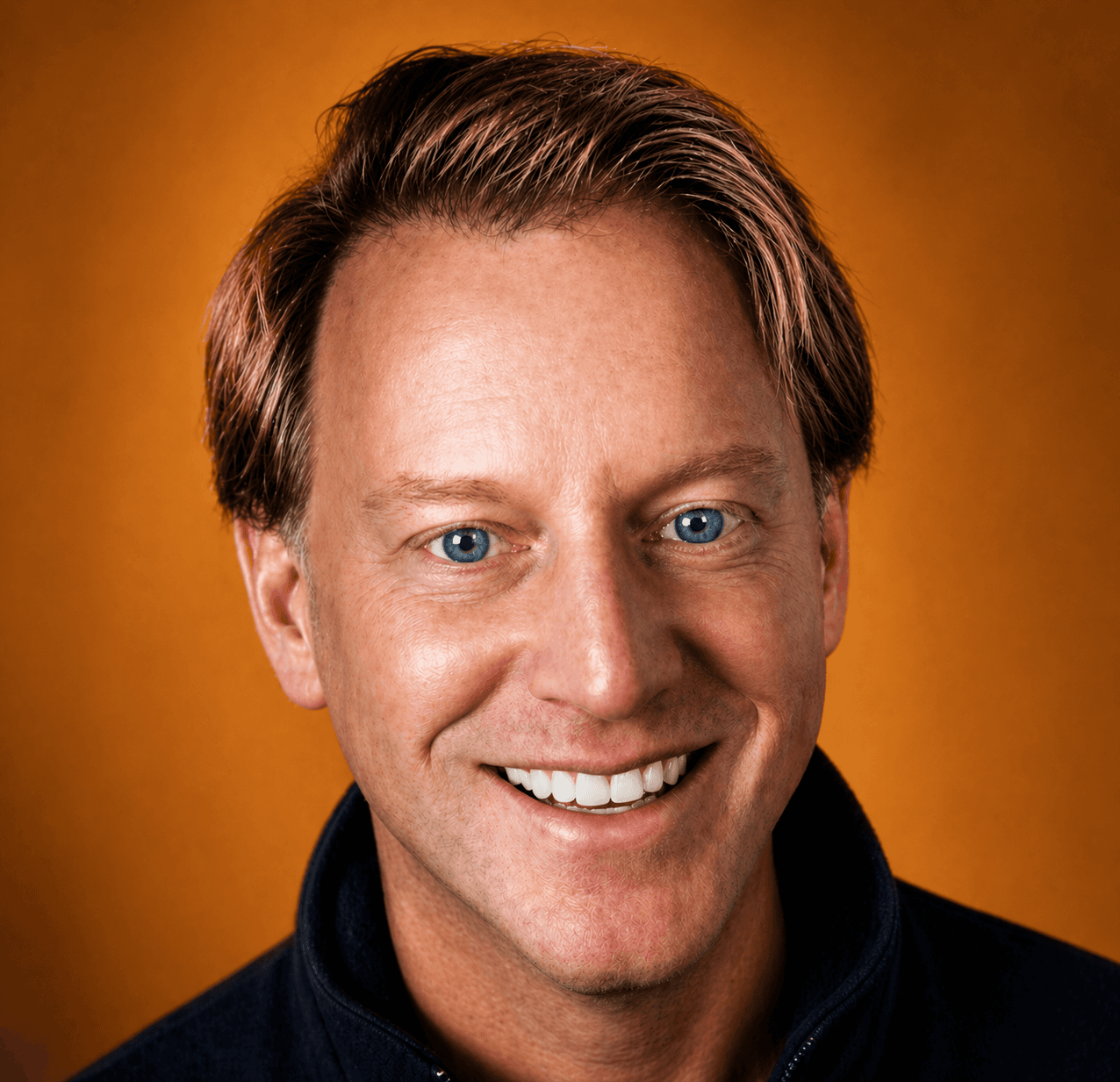
CEO of Cala Health
Deanna is the CEO of Cala Health, developer of the Cala kIQ® System, a prescription wearable therapy for action hand tremor. She holds a degree in chemical engineering and brings more than 20 years of commercial medtech experience to Cala. Before joining the company, she held senior leadership roles at Johnson & Johnson, Boston Scientific, and Medtronic, and helped develop and commercialize technologies across interventional cardiology, neuromodulation, and diabetes care.
Interview Summary
Deanna Harshbarger is the CEO of Cala Health, a bioelectronic medicine company developing prescription wearable therapies for chronic disease. After more than two decades in medical devices at both strategics and startups, Deanna joined Cala in 2021 to lead product, medical affairs, and customer success before becoming CEO in 2024, as the company prepared to commercialize a new category of at-home therapy.
When Cala entered the market, treatment options for tremor were largely limited to pharmacological therapies or invasive procedures. The FDA-cleared Cala kIQ® System with TAPS® Therapy delivers transcutaneous afferent patterned stimulation therapy for action hand tremor associated with essential tremor and Parkinson's disease, using personalized peripheral nerve stimulation that patients can administer independently at home.
Cala TAPS® Therapy is clinically validated, with more than 2,000 patients studied across clinical studies, has secured Medicare coverage in 2024, closed an oversubscribed $50 million financing later that year, received FDA clearance for the next-generation Cala kIQ® Plus system in 2026, and added a separate $50 million growth capital facility from Trinity Capital to support commercial expansion.
Top Takeaways
Build an operating system that scales decision-making. As startups grow, CEOs become the bottleneck when every decision requires executive involvement. Create shared operating principles that help teams make sound decisions independently: financial literacy, transparency, patient-centric thinking, and a bias toward acting on the best available data instead of waiting for certainty.
Design your evidence strategy by looking around the corner. Build evidence sequentially so each study reduces the uncertainty of the next. Use feasibility studies to establish trend lines, confirm the mechanism, and enter a Randomized Controlled Trial (RCT) only when the earlier evidence tells you what outcome to expect. Continue generating real-world evidence after launch to strengthen physician confidence, advocacy, and reimbursement. With limited resources, prioritize studies that deepen today's indication while reserving capital to explore future options.
Make patient experience part of the design process. When developing patient-operated therapies, bring the entire product team as close as possible to end-users and study every step of how the device works, from setup and training to everyday application. Put early versions into patients' hands, learn from how they use it, and refine the product before a large RCT or full commercial launch. Making therapy easier for patients also makes it easier for physicians to prescribe and support confidently.
Raising capital is both a sprint and a marathon. Investors should understand both your next inflection points and your long-term vision. Build financial models around defensible assumptions, demonstrate your ability to execute, and choose investors whose expectations align with your company's objectives. Alignment established during fundraising becomes most valuable when difficult operating decisions inevitably arise.
Sponsors
FastWave Medical: Named MD+DI's Company of the Year, FastWave is one of the hottest medtech startups in the cardiovascular space. See how you can invest here.
Medsider Fundraising Cohort: Planning to raise capital for your medtech startup? This live, 4-week workshop, led by Medsider is designed to help founders and CEOs tell a sharper story, get investor meetings that matter, and close real capital. Join the waitlist here.
Key Moments
03:34 Deanna’s journey from J&J, Boston Scientific, and Medtronic to Cala Health
8:16 How Cala personalized therapy around each patient's unique experience
11:53 Operating lessons Deanna carried from strategics to startups
22:27 The unboxing interview that changed Cala's product design
29:16 How Cala balanced feasibility studies, RCTs, and real-world evidence after its commercial launch
34:33 Years of clinical evidence helped Cala win reimbursement for a new therapy
38:52 The case for holding back when you're ready to commercialize
44:30 Why fundraising is both a sprint and a marathon
Chat with Scott
Ask ScottBot questions about this interview, key takeaways, or other medtech topics.
Full Transcript
I think it is that being prepared enough, which is really building out your financial model, being able to show what those assumptions are and what are the proof points that support those assumptions. I think that aspect is critical. Being able to show the here and the now of the company of what you're producing versus also what is the future of the organization? What will this company look like? How will it grow? Is there enough runway for that? So you have that runway. But for others where if you're second to market, being able to show the marathon version of it, as well as the sprint. So your proof points in your sprint and your proof points in your marathon. So I think that's, like, down to the detailed level.
Narrator:Welcome to Medsider, where you can learn from the brightest founders and CEOs in medical devices and health technology. Join tens of thousands of ambitious doers as we unpack the insights, tactics, and secrets behind the most successful life science startups in the world. Now here's your host, Scott Nelson.
Scott Nelson:Hey, everyone. In this episode of Medsider, we sat down with Deanna Harshbarger, CEO of Cala Health. Cala Health developed the Cala kIQ System, a prescription wearable therapy for hand tremor. A chemical engineer by training, Deanna brings more than twenty years of medtech experience to Cala. Before joining the company, she held senior leadership roles at Johnson and Johnson, Boston Scientific, and Medtronic, and helped develop and commercialize technologies across interventional cardiology, neuromodulation, and diabetes care.
Scott Nelson:Here are a few topics we explored in this conversation. First, how to build a startup where good decisions don't depend on the CEO. Second, how should clinical evidence evolve from feasibility studies through commercialization? Third, creating opportunities to observe end users early in the development process for a first of its kind at home therapy. And last, the sprint and marathon framework for fundraising.
Scott Nelson:Before we dive into the full episode, if you're a Medtech founder or CEO preparing to raise capital, you should check out the Medsider fundraising cohort. This four week live workshop combines small group sessions with real time feedback to help you sharpen your investor story, build a targeted investor pipeline, and run a focused fundraising sprint instead of a never ending slog. Over the month, you'll walk away with an investor ready narrative and deck, outreach scripts that actually get responses, a refreshed LinkedIn profile, a simple content plan that keeps you on investor radar, and a repeatable system for running your raise. You can join the wait list at medsider.com/fundraisingcohort. Again, that's medsider.com/fundraisingcohort. Alright. Let's get to the interview.
Scott Nelson:All right, Deanna, welcome to Medsider Radio. Appreciate you coming on.
Deanna Harshbarger:Oh, thank you for having me, Scott. Really excited to be here.
Scott Nelson:Yeah. And this will be a fun conversation, right? So sort of catch up on all things Cala over the past handful of years since Renee was on the program. What seems like a, so it seems like ages ago now, but excited to have you have you on the, on the show and very much looking forward to learning a little bit more about your background and then you know, how you're, how you're building, you know, Cala and how you have been building and how you will continue to build the company over the next maybe call it five to ten years. But with that said, for those that aren't familiar with your background, I recorded a very brief bio at the outset of this episode, but let's start there. Give us like a one to two minute kind of elevator pitch style overview of your journey leading up to taking on the CEO role at Cala.
Deanna Harshbarger:Sure, absolutely. So I think what most people don't know is I was an actual practicing engineer for a little while in a totally different space. I was a chemical engineer. And so I did research and development and process engineering. And I think it was a great foundation and background and understanding financials because in that space, the margins are pennies on the dollar.
Deanna Harshbarger:And so from there, I went on to graduate school and got into the area that I absolutely love, which is healthcare. And so for the past twenty two years, I've been working in medical device. And so I spent some time at Johnson and Johnson in interventional cardiology. That was a very exciting time. That was during the drug eluting stent years. I think it was great training ground.
Deanna Harshbarger:And what I loved about that experience was the fact that they really valued diversity in thought and experience. So they rotated people through all of the different divisions pretty consistently. And it just gave such a rich place to learn from others. So it was a fantastic training. From there, I went to Boston Scientific where I built the deep brain stimulation franchise.
Deanna Harshbarger:And that was exciting from the standpoint that that was, I believe my first foray into really understanding startup. The division I was in was actually a startup that had been purchased by Boston Scientific and it operated like a startup. And so, it was a lot of fun because I really got the opportunity to build something and really work with a fair amount of autonomy and, taking something from early clinical stage all the way through to commercialization, which took quite some time as a class three implantable. So going through the clinical studies, the different regulatory approvals, the way through to commercialization, large pivotal, and taking that international as well. And then moved over into the diabetic space at Medtronic.
Deanna Harshbarger:And the impetus for that really was knowing that this is where healthcare is going, which is a consumer being part of their healthcare decisions, being able to have at home health. And in the diabetic space, it was fantastic. I got experience in durable medical equipment and true DTC. And I think that was just perfect when I got a call from Cala to come join Cala. I thought, this is amazing.
Deanna Harshbarger:This is taking a space that I love, which is neurology. I had the opportunity to work with the customers, both physicians and patients in movement disorders for over a decade. And then I would get to go back to that at Cala in non invasive wearable, true at home healthcare and an opportunity to really have an impact on a large amount of patients. So that's what brought me to Cala and I'm excited to be here.
Scott Nelson:And I'm looking at your LinkedIn profile, which we'll provide in the full write up on Medsider. But you joined Cala, I think in, the mid kind it of mid 2021 right? So you've been at the company for five years now. Is that right?
Deanna Harshbarger:That's right. That's right.
Scott Nelson:Yeah. Very good. And for those that maybe have heard of Cala, aren't overly familiar with what you're, you know, the products that you're developing and commercializing, give us a high level overview of what TAPS therapy is, your device specifically, and maybe frame it up as if I'm a senior in high school and I want to learn more about this medical device space.
Deanna Harshbarger:So, you know, at Cala, we're really focused on building innovative therapies so that we can profoundly affect the lives of patients with tremor. And today we have a wearable non invasive, it's a watch like device that treats hand tremor. And we're indicated for two disease states, essential tremor and action tremor within Parkinson's disease. And the technology, I think, is absolutely amazing. What Cala is able to do is we are able to access the peripheral nervous system, which then subsequently affects the area within the brain that affects tremor.
Deanna Harshbarger:And so our current device uses TAPS therapy. It delivers what we call transcutaneous afferent pattern stimulation to treat the hand tremor. And what that really means is it's non invasive. You can access the peripheral nervous system. We stimulate through the median and the radial nerve and basically sends signals to the brain, which then interrupts the signals that cause tremor.
Scott Nelson:Got it. I'm looking at the website now, calahealth.com. We'll also link to it in the full write up as well. Beautiful design, which I think we'll get into here as the conversation unfolds, kind of reminds me a bit of like a Garmin watch, type right? Which is, I'm sure probably there was some inspiration there, but yeah, beautiful design. But in terms of the technology itself, is this like a full closed loop system where you're sensing and then dosing to the patient or give us a sense for kind of like, how does it's a wearable, right? It's literally a watch, but are you, you're stimulating through the watch, peripheral nervous system then?
Deanna Harshbarger:Yeah. So what we're doing is we are actually sensing the tremor initially. So each patient will calibrate their system so that it is unique and personalized stimulation to their actual tremor. So everybody's tremor is different, but also it's a neurodegenerative disease. It changes over time.
Deanna Harshbarger:And so what the device does is it looks at the frequency of the tremor that the patient has, utilises that to set the stimulation parameters. What we do is we actually take a measurement of tremor prior to the stimulation and post to the stimulation session so that we can help patients understand what therapy they're getting and what the outcome is.
Scott Nelson:Okay. Very good. Very cool. Yeah. Excited to learn a little bit more about kind of the lessons learned kind of getting to this stage, but we're recording this in mid twenty twenty six. So for those that are listening maybe three, six, nine months down the road, give us a sense for kind of where the company's at and the, and the kind of the current time timing.
Deanna Harshbarger:Yeah, absolutely. So we're really excited. We actually just announced the FDA clearance of our next generation system, which is called Cala kIQ Plus. And what that will allow us to do is actually provide different waveforms or different stimulation options for patients. And what we believe we will see from that are patients really, their tremor is so unique to themselves, is really getting the best outcomes that they can.
Deanna Harshbarger:In addition, what we're doing is we are automating the calibration, anything and everything that makes it easier for the patient to use. And I'm going to be really excited to talk about the design of the product, because that is a key area for our organization is focused on being true patient centric.
Scott Nelson:I mean, even circling back around to your comment earlier about this obviously ladders up I'm sure to the design, but the idea that consumers are ready and actually wanting to be more involved in their healthcare. I mean, that couldn't be more true today. I remember when I first started the company before Fastwave, Joovv, it wasn't maybe as I would call it sophisticated technology as Cala per se, but it like it was tapping into this, this what we saw, or I saw was a very kind of this burgeoning trend of like, you know, in home healthcare. And I think, I mean, that's like ten years ago now. And so it's very, if you haven't, if you're not seeing these trends, it's like very, very clear, right?
Scott Nelson:That even regardless of age, this is not just for like the biohackers anymore. Like any and all ages, people want easy access to healthcare. And so I couldn't agree more and I'm excited to kind of talk about how that has impacted kind of the design for the kIQ Plus But that said, I think that's a good foundational kind of start for the conversation, but let's jump into the kind of the more substantive part of the discussion. And again, for everyone listening, it's calahealth.com is the website. So if you don't get to the full write up and are able to read a lot of these key lessons that Deanna is going to share with us over the next twenty, thirty minutes definitely check out the website, really, really cool technology. Again, we'll link to it in the write up on Medsider, but it's calahealth.com, calahealth.com.
Scott Nelson:So with that said, Deanna, let's, let's jump to the first topic, which I want to cover is kind of this overarching concept of building a medtech business, right? And you mentioned that you'd spent some time in, at other large strategics, you know, Cordis J and J during kind of the heyday of the drug eluting stent, stent war, so to speak, and then kind of building a startup inside Boston Scientific. And so as you think about how you're trying to build the culture and push the company forward at Cala, Are there a few like key things that you're either you've taken with you, you know, from those experience at Boston Scientific and J and J, Cordis and other strategics or maybe even things that you're trying to avoid, right, as you're developing kind of the startup mentality at Cala?
Deanna Harshbarger:Yeah. I mean, I do think there are a lot of parallels. And I think that surprises many people because when you think about working in a large strategic and then going to a startup and saying what's really different, I think it is decisions that are magnified because the stakes are high at the startup. There's no safety net. You miss your number at a startup. You know, it's one equation, x plus y equals z. And if you miss one of those, there's nothing that can make up for it on the other end. Whereas in a large strategic, you have multiple divisions. It's a portfolio. Right?
Deanna Harshbarger:You're ebbing and flowing with that. So I think at least having the opportunity to work in, now it's funny to look back and say three large major strategics, each has a different personality and how they operate. And I think one of the great things I loved when I was at J and J at the time, the focus really was, you know, you don't call it a division. Everything is an operating unit. You should be able to operate on your own standalone.
Deanna Harshbarger:So find your way to profitability or that growth level. Or you should be number one or number two within the market space that you're in. And that drive and that every person in the organization understood the financials, whether or not you were an operator on the line or whether or not you were running the sales team. And I think that was impressive. So I think that's one thing that I love taking to the startup phase is everybody should understand our high level financials because it's how we make decisions and how we make decisions down to the individual level.
Deanna Harshbarger:We all make better decisions when we're well informed. The other piece is, I think in all the large strategics, there was definitely the focus for patient centricity. And I don't see that as any different, why Cala should be any different in that manner. That is who we serve. Our customers are also physicians as well.
Deanna Harshbarger:But that is their mantra also. So it really should be easy for the patient. All the way from the product you design to the services and how they interact with the organization. So I think that's another key learning. And then the last one, I think, is typically what you see more when you think of the differentiation between a large organization and a startup, and it is the speed at which you need to make decisions.
Deanna Harshbarger:Again, at a startup, you've got a finite amount of time. You have no safety net. You have to make those decisions fast and you have to make them with the best information you have. It still means that you are scientifically driven. It still means that you are data driven. It's just that you don't have time to wait to run down every single number to act. By then it's too late.
Scott Nelson:Yeah, no doubt. And I think that there's a lot of similarities between that latter point and the first point you made around just the, how to best describe this? Think you put it better than the way I'm going to describe it, but just the intensity right at a startup, Cause there, there are not a lot of secondary or tertiary options, right? It's like if you're marching towards a 510(k) or a PMA, or maybe even in advance of that, an IDE approval for a pivotal trial, if you miss those or if something goes wrong, there's not a parachute there, right? Fall back on.
Scott Nelson:So, so I, I think that that probably speaks to the importance of, you know, you think about even team building, right? Ideally, you're, you're building a team that has, has some of that experience, right? Well, that's, or at least has been, is used to operating in that sort of, that sort of environment where, achieving those milestones and they understand kind of the importance of those. Really good stuff. And before we kind of get to the next topic, which is really around kind of this, this kind of developing a platform technology, like a, like the kIQ system.
Scott Nelson:As you think about even your tenure at Cala specifically, right? Moving from a chief product officer to now to CEO role, have there been any like noticeable changes as you've kind of like, you know, move to move sort of up the ladder, so to speak. Right. And maybe frame that up for, you know, for someone else that's listening to this or reading the highlights of this, this discussion that has maybe the same opportunity as you, right? They're being tapped on the shoulder to take on the CEO role. Like what should maybe they think about as they consider that, that increase in responsibility?
Deanna Harshbarger:I think that the difference there is, you know, my philosophy also is regardless of what level you are in the organization, you should look holistically and ensure that everything that you're doing is meeting the goals of the company as, as a whole. And that piece is, I think I said it earlier before, it's like, it's something that's magnified when you step into the next position. Right? So I think that is a key aspect of it, which is really making sure that you are now ruthlessly prioritizing to the key things that need to be done to make the organization successful. Whereas it's not that you wouldn't do that in your role, but but your responsibility is smaller.
Deanna Harshbarger:So you have a little more play in there. I think I would also say the other aspect is certainly from a people standpoint. That is really important. And I think at Cala, couple of key tenets that we have. One is our focus on innovation. And I love that has been in the tapestry of Cala since its very beginning, since the original founder who's still at Cala. She's absolutely amazing and keeping that focus on the innovation.
Deanna Harshbarger:And then the other two, I call them the two P's, which are people and patients. And people means the people that we have within the organization. And so I think stepping into the leadership role, it's having this responsibility of ensuring that one, you have the right people with the right skill set, the right motivation, and that you are treating your people in a manner that will keep them going and keep them motivated.
Deanna Harshbarger:So I think that's a different level that you take to it. And I think the last piece is in whatever role you're in, if you're having this opportunity to step to a higher level, just keep that concept of the buck stops here mentality. I think that is really important because when you have that, then you know, what are the areas I need to dive into? Because if I'm going be asked at the end of the day, why did this happen? Or why did you do this? Then you know when to dive into details and when to stay high because you have things that you know, that are trust that are, that are running.
Scott Nelson:Mhmm. Yep. Like hearing you kind of riff on, on this, on that, on that question. It kind of reminds me if I own a certain function, right? And whether it's a strategic or like maybe more specifically a startup, ideally that function is operating as if they need to kind of report into the board on a quarterly basis as well.
Scott Nelson:Maybe they're involved in those board meetings, maybe they're not, but regardless how would I effectively communicate our progress to the board level and what kind of critique would they would they have? I mean, I think just like it's just a healthy framework for anyone that's maybe in a senior kind of senior functional role that maybe is is kind of considering, you know, or being asked maybe to potentially, you know, step into a CEO role at some point. So all good stuff. One other thing that I kind of want to double click into that you made a comment that you made earlier is about around communication. Right?
Scott Nelson:And I think some founders and CEOs in my network kind of operator, they choose to operate kind of almost with the attempt for like transparency, but only at a certain level. Right? And then, you know, there's sort of a, a gating, mean, a gating kind of, aspect to that. And I tend to be a little bit the opposite. Right? I want to try to be as, as transparent as possible. And so where, where do, where do you, where do you stand? I mean, do you, do you try to communicate, I mean, almost everything within reason, to the, to the entire company or do you, do you tend to prefer, know, a little bit more of a filter?
Deanna Harshbarger:No, we definitely try to lean towards transparency. I think it's really important and especially, I think we'll talk about this too, is the stage that we are at. We are growing at a fast pace. We are scaling and communication is critical. And again, I think that also goes to the last question you asked.
Deanna Harshbarger:What's the difference when you step into the higher role? You can't be in the details of everything. Right? If you are, then you're probably not doing your higher level job so you have to trust and empower the organization and people within the organization to make the right decisions. And how can they make the right decisions if they don't have full information?
Scott Nelson:Yeah, 100%.
Deanna Harshbarger:So I think that goes to the transparency aspect. So we want to communicate, we want to communicate fast and with the information that is relevant. This is actually, you had mentioned earlier before, Renee, this is leftover from years and years and years ago. We do a company meeting called All Hands every week.
Scott Nelson:Oh, it's every week. Okay, great.
Deanna Harshbarger:It's every week. It's short. And that's where we ensure that people are up to date on how the business is doing, what's going on within the business. That's where we celebrate. That's where we say, hey, these are things that we're going to work on. But that way everybody has that same information because then no one's gonna be down into that level detail, but the people that are doing it and they should be making the right decisions and they need the right information to do that.
Scott Nelson:Yeah. Yeah. I love the fact that you still do that on a weekly basis, especially considering your team's probably pretty, pretty large at this point. Yeah. And so because I think I think at a certain scale, a lot of CEOs would say, well, hey.
Scott Nelson:That doesn't work for us anymore. Let's just shut it down or maybe go to once a month or once every quarter, and you're still doing it on a weekly basis. I think that's like that's a really important that's really cool. And I and I I I don't know about you, but I would imagine you probably agree with this that when there's more transparency, right, and I'm I'm not gonna pretend that I'm perfect at this, but when there's more transparency, the rest of the team feels empowered. Right?
Scott Nelson:Because they feel like they're they're that much more bought in when they're when they're getting the same information as everyone else, right? Regardless of kind of the level of the responsibility. So I think there's, I've certainly seen that as well. So I'm in the same camp as you, right? I try to be as, almost kind of operate from the standpoint that any critics I'm getting from investors or the board, Really for the most part, the rest of the team understands that as well, you know? And, and, and so anyway, good stuff.
Scott Nelson:Let's segue into, into kind of development and kind of this platform plan. Maybe this is a good opportunity to kind of talk about the, the design features that you built into the new kIQ Plus but how have you kind of balanced this overarching theme of developing a product, right? That where a physician is still very much involved, right? And the kind of the patient care, but it's very much a patient consumer centric sort of device, right? I mean, it's worn on the wrist. It's, therapies delivered at home. So how do you kind of balance that and kind of give us a sense for some of the design decisions that kind of led up to this, this latest, the kIQ Plus.
Deanna Harshbarger:And first I want to say that it really was the whole organization in the development. So we launched Cala kIQ back in 2023. And that was a big change from the generation that had been commercially started with. And that was the one where it was kind of tear it down to the studs and really think about from the design standpoint and the patient centricity. And I also want to say that, you know, we're providing tremor reduction and relief for patients that have hand tremor.
Deanna Harshbarger:So things are hard to do and you have to make it as easy as possible for them. And so it really was the whole organization that put this effort and mindset into building a patient centric device. I think that was really important. Our engineering team, everybody met patients. And that was a key aspect of the design was how do we look at this?
Deanna Harshbarger:We're not the end user. So how is it that someone with tremor would use this? How would they put it on? We have a band that has to be changed every ninety days. Would they be able to change the band?
Deanna Harshbarger:We even did unboxing interviews where we would ship a box to the patient and we would then do a video call with them and watch them. And one of our first generation boxes, the patient had such difficulty opening it. He had to use his teeth to tear off the initial opening. And that was eye opening.
Deanna Harshbarger:And so it really was that type of thought process that went into the design so that every step of the way we thought about, can someone put it on? Can they change it? What is their interaction with the buttons on it? What is their interaction with the screen on it? And our philosophy also is if we can make it easier for the patient, that should also make it easier for the physician because we also don't want patient ending up in the physician's office saying, I can't use this.
Deanna Harshbarger:I'm having trouble using this. How do I use this? Or I'm not getting an effective therapy from it because they weren't able to properly get it set up. So it was a significant amount of patient research ensuring that we also broke it down to each step that the patient was going to use.
Scott Nelson:Got it. I think that's a, that's a really good framework. You know, if we can, we can deliver a really easy patient experience that oftentimes is going to, you're going to see some of those efficiencies kind of carry through to the physician as well. Your comment about seeing someone open a box with their teeth that never ceases to amaze me how the unexpected feedback, right. That you get when you start shipping some of the, you know, in this case, you know, probably some version of a prototype at least the boxing experience maybe.
Scott Nelson:And so, and I think sometimes I, you know, I hear folks in our space kind of push back on this idea of like shipping an MVP and I get we're in the device space. Can't ship. Mean, it's different than shipping software, right? I get that. But my counter to that is like look for ways that you can ship prototypes or ship something, get it in the hands of end users as fast as possible and look to iterate on those feedback loops.
Scott Nelson:So you can just, you know, make changes faster. Right? Because so often it's easy to get stuck in in kind of the world of engineering, especially with your background in engineering where it's like you develop something and your head's down for for six months and no one has actually touched and felt it. Right? Yeah. And and then you you kinda you get up from the bench and it's like, ah, here we are. And it's like, well, has anyone that actually is going to use this product? Have they seen it yet? Have they touched it? Like have they provided feedback? And so, yeah, think that's so, so important, right? To look for ways to kind of ship versions of the developing product as as soon as possible.
Scott Nelson:Hey everyone, let's take a quick break to catch you up on Medsider courses. These eight week courses are designed to help you learn winning formulas from world class CEOs. Medsider courses cover topics fundraising, device design and development, clinical and regulatory strategy, commercialization, and m and a. Each course covers the hard earned lessons shared by the Medtech founders and CEOs who join our program. Medsider courses can be purchased individually or they're included at no additional cost with the Medsider All Access Pass. You can explore Medsider courses at medsider.com/courses. Again, that's medsider.com/courses. Okay, let's get back to the conversation.
Deanna Harshbarger:And I really want to give kudos to our engineering team. They were all in, right? They, like I said, every single person that worked on the product met with patients at one point or another. And, and you mentioned it there philosophy too, it should be in the hands of the end user prior to it going to a full launch. And so that that's our philosophy as well too, is we will always do a small, you know, steps along the way where there's interaction with it.
Deanna Harshbarger:If it can't be fully functional at that point, then we do that clinical studies as well too, are very critical to us. I think you had mentioned that before too, as we go through this evolution, creating the clinical data with it. But clinical studies are also really important to understand how the system will be used and how can we improve upon that.
Scott Nelson:Yeah, no doubt. And I think, I think just kind of like kind of doubling down on this point, it's so easy. I think as you're trying to look for feedback, right? Let's just walk whether it's patients or in a lot of cases it's physicians in our world. Let's just walk them through a slide deck, right? With bullet points on a deck or maybe in some cases some static images.
Scott Nelson:I mean that can work, but they, in most cases, you're not going to get the best type of feedback until you actually, they can touch and feel something. Know what I mean? And I think the natural inclination is like, well, it's not ready for feedback yet. Well, it's like, well, most of the physicians or patients that we work with at those types of stages, they're okay with something looking rough, you know, and they'd much prefer feeling and touching a rough, a rough prototype and providing feedback versus, you know, versus seeing an image on a, on a slide deck.
Scott Nelson:Let's segue into kind of clinical and regulatory. I want to, I want to kind of get your take on how, how your approach to clinical evidence has, has evolved and how you're kind of continuing to build clinical evidence for the, for the device. And I'm sure obviously early on a lot of the clinical work was, was specific to the kind of the regulatory path, but give us a sense for kind of how that, how that, what that evolution looks like, especially developing a device that could be used for a lot of different applications, right? So obviously you're focused on tremors for patients that suffer from Parkinson's right now, but I'm sure probably there's other, a wide variety of other use cases for technology like this. So how are you kind of thinking about balancing, right. And prioritizing the evidence generation for kind of the core indications now versus what maybe what you could work on, and develop in the future?
Deanna Harshbarger:Yeah. And that always is the challenge within a startup, right? There are definitely finite resources. I do believe that our philosophy to clinical data might be a little unique. We strongly believe in clinical data, and I think there are a couple of key reasons for that.
Deanna Harshbarger:So one is we created a new therapy that just didn't exist before. The non invasive neurostimulation space for tremor, everything was either pharmacological or it was, more invasive, like an implant. And now exciting, you know, there's focused ultrasound as well. So the clinical data was really important, not just from a mechanism of action standpoint. One is proof point that we're doing what we think we're doing, right?
Deanna Harshbarger:But the other really is what is that outcome and that, and that efficacy. And for those that have worked in healthcare for a long time and in particular medical device, you know, a feasibility study is just that a feasibility study. It's something small that gives you a trend, but it doesn't tell you over time, does a patient still see a benefit in therapy? What type of outcomes do they get? And there's a difference between a, you know, an RCT and real world evidence too.
Deanna Harshbarger:An RCT is controlled. There's a protocol that's set. And so then how does it actually act out in the real world? Which is really important for us because because of the fact that we are at home use. And so our philosophy has been to build in all of those areas.
Deanna Harshbarger:And I think one, the first key is, and this is standard, you know, with any development is you do your feasibility to say like, does this even work? Right. But then you get to, okay, now that we understand that, let's confirm our mechanism of action. You confirm the mechanism of action and now you say, all right, let's prove this in an RCT where you have a truly controlled environment and you can break it down to is what we're doing actually providing that outcome. And then you take it to the real world evidence to basically say, okay, now we're going to be out in the world commercially.
Deanna Harshbarger:How is this really working? Does, you know, getting this many prescriptions, is that justified? Because are the patients in the real world seeing the benefit? And so we've done all of those things. We have more than 2,000 patients in that have been in clinical studies, which I think is pretty unique in our space.
Deanna Harshbarger:And our philosophy is to keep going with that because we think it's really important. If a physician is going to make a decision to prescribe our system for their patient, we want them to know what their patient is going to get out of it. And that can only be done through the clinical data. And also as we advance, so again, moving to our next generation, what we want to be able to show is that there's a benefit from this next generation. So now taking it back all the way to how do you make that trade off within the organization?
Deanna Harshbarger:I think that, you know, there's a lot more studies that we would love to do, but what we want to do are places where we can push the envelope and show the unique aspects of the therapy that we're providing in the, indications that we're in today. And then you have to be able to save that room and time to say, you know, there's a place for this in the future because we've created something unique where we can access the peripheral nervous system non invasively. There are other places that we should be able to treat if we do that too. So let's save some of those dollars for those studies too. But you do it in that stage.
Deanna Harshbarger:You start with the feasibility. You don't go big RCT. You should know the answer to what outcome you're going to get into the RCT before you do it.
Scott Nelson:Yeah, no doubt. I couldn't agree more with sort of the resource allocation around evidence generation, even though you're commercial. Right? So I think, you know, it's fair to say that probably a lot of folks in your position would say, well, we maybe don't need to do enough. Can maybe kind of stop there or maybe slow roll the evidence generation.
Scott Nelson:Obviously you've taken a different approach, but I very much agree, especially with the new category that the evidence sort of compounds, right? I mean, your moat continues to get deeper and wider with every single study that you're running, even if it's a post market study. So kudos to you and your team for kind of, you know, continuing to kind of build the real world evidence for the device. Let's segue into commercialization. Cause I think, I think the next question I have for you, which is largely around reimbursement kind of feeds into this, you know, this evidence generation. And so when you think back around kind of how reimbursement has impacted some of the decisions you've made towards either clinical trial design or commercial planning, give us a sense for kind of how you've approached that, right? Because I think it's, it's, from my perspective, reimbursement is probably even a larger hurdle these days, right. Than even regulatory approval. And so you've obviously accomplished a lot in this category. So for other CEOs maybe that are staring down you know, generating a new, a new CPT code as an example, What words of wisdom would you offer up to them?
Deanna Harshbarger:Yeah. And I want to start with saying here too, that, Cala's journey has been long. Certainly before I took on this role and before I joined Cala, I think that's also where the philosophy of clinical evidence started. And it is because of that planning and that clinical evidence early on that we were able to get the reimbursement. I think that piece is very critical.
Deanna Harshbarger:So I think, you know, if you are just starting out, you need to build your clinical evidence robustly into your portfolio from the very beginning because reimbursement doesn't get easier. It continues to get harder. Right. And that bar keeps, keeps going up. And the piece that drives that is the clinical evidence that proves that you can actually get that outcome.
Deanna Harshbarger:And then typically also, patient and physician advocacy as well. And what are they convinced by? Clinical evidence. So I think those pieces are very critical for the reimbursement strategy. I think for us at Cala, Cala has been leading the way every step of way.
Deanna Harshbarger:So there were no unique codes for what Cala was doing. And so Cala had to create those unique codes and convince that we were different than what was already out there. So, you know, Cala has been told no every every time. And then we go back and we gather the clinical evidence, the technical data to support that. So that was the creation of the new codes.
Deanna Harshbarger:And then on the payment determination side as well too, you know, for for companies that are that are at the the stage prior to we are where where you don't have that payment determination or that reimbursement yet. This is the hardest step. Right? You're basically fighting every case by case. One to actually get some form of coverage for one single patient and then trying to ensure that that coverage is the proper coverage for the therapy that you're providing.
Deanna Harshbarger:And so I see that one as almost like single battle timeframe. That's the most difficult. But then moving to what Cala was able to do was move to a coverage determination, which was very fast and I think also very unique, but it was based on the clinical evidence. We had the long term data to say, not only does this help an acute standpoint, you see it over a long term timeframe, you see it being used in places, there's advocacy here for this. And that's what was able to get us to that coverage.
Scott Nelson:Got it. And how much did health sort of the economics, right, of your therapy impact, you know, that coverage determination? Was that pretty crucial as well?
Deanna Harshbarger:It's yes. And it's always crucial. I think for us in particular patients with essential tremor have a fair amount of comorbidities. They also have a history of trying pharmacological therapy and it not working. And then you end up with a patient that either is not going to the physician and therefore suffering and then has issues later on.
Deanna Harshbarger:So I think that was an aspect as well too. Think it's a little harder for startups when it's a new therapy because you're never gonna have that super, super long term data that you typically have when you're, you know, when you're coming into the market and you're second or third. So it's been around a while and you can do that proof point. I think for the new therapy, you can only show what's available in that, in that certain timeframe.
Scott Nelson:Got it. And when you think about commercializing the kIQ device or the kind of the first generation device versus all of the kind of the planning that went into to launch. Now you're obviously, you know, getting ready to, or maybe on the, on the, on the cusp of launching this, this the second generation device. Any kind of key lessons learned, right? Kind of going from planning to effectively commercializing, were there any surprises or anything that any sort of assumptions that you made that you really, you got right and were pleasantly surprised that you planned in the right fashion? Give us a sense for kind of what that looked like going from planning to commercialization.
Deanna Harshbarger:Yeah. So I think, you know, because I've lived many lives before in commercializing, I think the one thing you can always guarantee is that your plan is never right. Right. There are parts of your plan that are correct, but you will always find something that is new or that you hadn't thought about. And I think this goes back to even what we were talking about before, which is why you want to get a device or system into the hands of the end user before, because you're going to find something you had never even thought about.
Deanna Harshbarger:And so I think for, for us, we very consciously started slow just for that reason, because we knew we were learning as we went. So everything that we've done has been new. It's a totally new therapy. It's a new thought process. You go and ask a physician today, they likely will have heard about either taps or non invasive neurostimulation for tremor. And therefore it's a lot easier conversation to have today versus five years ago when people said, is this real? Are you sure? This sounds hokey. Right? And so going through that commercialization, that's what you're up against.
Deanna Harshbarger:It's a totally new, new therapy. And so that's the criticality of making your plan, starting small, learning from those pieces and then expanding and going bigger. And I think for us, it's hard to hold back, but it's really important to hold back because you never want to alienate your customer at the first go around.
Scott Nelson:Yeah. If you go to kind of score short at the very beginning, there's, there's going to be probably lots of learnings to your point earlier that, that you didn't expect. And maybe you planned for some of them, but some areas there were, there were gaps. And so was that tough to get? Cause that, that is a, that a hard challenge, right?
Scott Nelson:I mean, there's years of buildup right to commercial launch. And then you're finally here and it's, it's easy to kind of wanna, you know, rip the, rip the bandaid off, but was it tough getting sort of buy in right to kind of, you know, launch sort of in a, in a bit more of a methodical fashion versus, know, going, you know, getting more aggressive?
Deanna Harshbarger:I think again, this might be where Cala is unique. I think we have a great board, a great set of investors. They're in it for the marathon. And I think they are experienced from the standpoint that they also know the value of being methodical about it. It's really knowing when to go slow, but then also when to put on the gas.
Deanna Harshbarger:Right. So you don't want to be too conservative and never, never get big enough. But I think, again, I think that we have a group of experienced people, experienced with commercialization as well too, that are familiar with that, that this is what you typically do. It goes back to even the conversation we were having earlier around the stakes are higher as a startup. Right?
Deanna Harshbarger:You feel this rush to go full out because your only source of income. Right? But at the same time, if you make a mistake, that's hard to come back from. And it's easier to make that mistake on a smaller scale when you've even set it up to say, Hey, this is new. This is our first generation. We really want your input and feedback. And if you find something, then you have time to go fix.
Scott Nelson:Yeah. Yeah, no doubt. And I think this segues into kind of the, maybe the next topic, which is around fundraising and kind of like interaction at the, you know, with, with investors. But you made a comment earlier that I think is really, really important around, it sounds like you're, you're in a position with, with Cala where you've got an investors and a board that understands the need, right? Whether you want to describe this as going slow or like kind of a more of a methodical kind of targeted approach to your launch so you can learn as much as possible before you scale.
Scott Nelson:Not a lot of startups maybe don't have that luxury. Maybe they're stuck with kind of a, you know, some folks on their some investors understand the importance of that, others wanna be more aggressive. I think that's if you're if you're in that situation sort of proactively addressing that as soon as possible. You know? So you're not a couple months out of launch and you've got a split sort of board around like how aggressive you should be.
Scott Nelson:I mean, it just speaks to like, know, beginning to kind of prep your your board and your investors for what your launch is going to look like or what it should look like and the rationale, you know, that that supports that. Think it's really, really important. So on the, on the topic of, yeah, go ahead. Go ahead.
Deanna Harshbarger:Oh, no, I was just gonna say, I think to that it's also, you know, having a clear laid out plan, like these are the items that will say, okay, now we're going to put the gas on or now we're going to put the brake on and we can handle being slow because we've set up ourselves financially, infrastructure wise to be able to handle that. Versus, you know, you don't want to build up a whole commercial team and say, okay, we're going to limited launch now. All those people sit on your payroll or you're spending massive like DTC money out there. Right? So I think it's having that holistic picture together and saying, here's the plan. And if this looks good, yeah. Then we're going to put the gas on, but we're going to make sure we can handle that.
Scott Nelson:Yeah. Really, really smart approach. I want to leave enough time for the rapid fire portion of this interview, but let's get to fundraising, right? Because Cala has not only an impressive list of investors on the cap table, but has raised a sizable amount of capital over the years. And so when you think about kind of stepping into this role as CEO and having to raise these rounds of capital, any lessons that you can share, right?
Scott Nelson:For other CEOs that are in the, in the throes of maybe a series B or a series C round, right? What do you think they really, really need to get right versus you know, what could possibly go wrong if they're not prepared enough?
Deanna Harshbarger:I mean, I think it is that being prepared enough, which is really building out your financial model, being able to show what those assumptions are and what are the proof points that support those assumptions. I think that aspect is critical. Being able to show the here and the now of the company of what you're producing versus also what is the future of the organization? What will this company look like? How will it grow?
Deanna Harshbarger:Is there enough runway for that? Like, again, I think the benefit of startups, a lot of time you're creating a new therapy, you have this large large unmet need. So you have that runway. But for others where if you're you know, second to market, being able to show the marathon version of it, as well as the sprint. So your proof points in your sprint and your proof points in in your marathon.
Deanna Harshbarger:So I think that's, like, down to the detailed level. And then I think at the higher level of on the fundraise side, understanding what your objective is and therefore matching the investors to that objective. And that's also where you get alignment, where you're thinking about commercialization and you're gonna, you know, go controlled commercialization. So if you have an investor that has invested, they're a different type of investor, which is looking for short term gain. That incentive is not aligned. So you need to think about that strategy when you're, you're setting up for fundraising.
Scott Nelson:Yeah. So, so crucial to, to find, that alignment, especially if it's new money into a round. Sometimes it's really easy to want to just take the capital that's available, but that is often going to bite you, right? If there's not that alignment. In fact, I would make the argument that it's gonna bite you most of the time. If alignment's not, not there. Yes. But even, even just kind of your point around ensuring that you under, like you can, you can thoughtfully talk through the inputs that drive those assumptions. I think that's so important. Right?
Scott Nelson:And kind it of just reminds me of getting your story, getting your deck in front of, as a trusted group of people early enough that can, that can kind of provide pushback, right, on some of your assumptions. Right? Cause some, some of the, you've been maybe developing or, you know, in the weeds on a few slide, a really important slides to your deck. And, you know, someone that's seeing it for the first time, you'd be like, did you think about this? Or did you think about why? You know, and I think that's usually a pretty easy step to to kind of accomplish before you you go too too broad with the kind of your investor pitches.
Deanna Harshbarger:Yeah. And for me too, I think that's where the benefit of having worked at all of those strategics before is I've sat on the other side of the table. I've judged. I've judged me. And I know what are the things that we would typically look And I think it's, again, you're always looking for value creation.
Deanna Harshbarger:So whether that is in an acquisition or whether that is an investor looking for a company to go IPO, it always goes back to why did you make that assumption? And can you prove or what supporting data do you have that says that assumption's real?
Scott Nelson:Yeah. Yeah. So, so important. Yeah. And if you don't have that type of experience where you've sat on the other side of the table, yeah, just getting at, getting your deck in front of like new kind of new audiences, right?
Scott Nelson:That, that sort of safe audiences, if you will, that are, that are willing to kind of provide some skeptical feedback. I think that's really, really important. So with that said, Deanna, let's get to the rapid fire portion of this interview. But again, before we get there, it's calahealth.com is the website, calahealth.com. We'll link to it in the full write up on Medsider, but definitely encourage everyone to check out the company.
Scott Nelson:We'll also link to Deanna's LinkedIn profile in the full write up as well, at calahealth.com really, really cool technology. So first rapid fire question on the docket, take us out to mid twenty seven. What are you most excited about at Cala?
Deanna Harshbarger:I am excited about the number of patients that Cala gets to treat. I think again, to me, the unique aspect of being in a startup and being at Cala where it's a totally new treatment option, there's so many patients that deserve that don't get it. Keeps me going every day.
Scott Nelson:Oh yeah. Especially with as big of a need, right? As you're solving for. So it's really fun to have a device that's so close to the patient too. If you've never worked on a device like you're been afforded kind of the opportunity to work in or with a device like this, it's pretty cool.
Scott Nelson:So second question on the, on the, on the rapid fire list is, let's say we're in Silicon Valley, right? Maybe Cala's neck of the woods here. And it's a small group of Medtech entrepreneurs and you want to leave them with kind of one billboard message, right? One message that they really need to get right. What would that be?
Deanna Harshbarger:Oh, that's a good one. So many things. Know your business. That will get it every day is make sure you understand it in and out. What are the levers that you pull that will make it successful?
Scott Nelson:Yeah. Simple, but covers a lot of sins in the world of startups, right? If you know your business really well. Alright. Last last question.
Scott Nelson:If you if we could rewind the clock, you know, take us back to earlier in your career, maybe kind of mid mid to late twenties and your career is really starting starting to take off. Anything that you tell your the younger version of yourself from a professional standpoint?
Deanna Harshbarger:There are many ways to get to the end and enjoy every experience along the way, because no decision is ever the wrong decision in a career. It's always something you learn. So trust in that.
Scott Nelson:Yeah. Really good feedback. Well, it's been fun Deanna. Thanks again for, for carving out some time to, to do this interview. Really, really appreciate it.
Deanna Harshbarger:Thanks for having me. It's been a great time.
Scott Nelson:Yeah. Definitely be fun to kind of see Cala's continued success and I'll have you hold on the line. For everyone listening, made it this far. Appreciate your attention as always. Definitely check out calahealth.com. And until the next episode of Medsider goes live. Everyone take care.
Scott Nelson:Hey, it's Scott again. One quick thing before you go. You see, I love bringing you insightful conversations with the best founders and CEOs of medical device and health technology startups. But here's the thing, I'd be super grateful if you could help me reach even more ambitious doers who share our passion. So if you found value in this podcast, you found yourself nodding your head while listening, or if you simply enjoy what we're doing with Medsider, please take a moment to leave us a review.
Scott Nelson:It's super easy. Just open your Apple Podcast app or the podcast app of your choice, search for our show, and scroll down to the ratings and review section. Leave your honest thoughts and hit that five star rating if you think we're worthy. Your feedback is incredibly important and it's the best way to ensure we keep bringing you awesome discussions with leading founders and CEOs. So take a moment to be a good friend and leave that review today. As always, thanks for being a part of our journey and for helping Medsider continue to grow and evolve. Your support is greatly appreciated. Alright. Enough talk about reviews. Stay tuned for another informative episode coming at you soon.
Read More
I think it is that being prepared enough, which is really building out your financial model, being able to show what those assumptions are and what are the proof points that support those assumptions. I think that aspect is critical. Being able to show the here and the now of the company of what you're producing versus also what is the future of the organization? What will this company look like? How will it grow? Is there enough runway for that? So you have that runway. But for others where if you're second to market, being able to show the marathon version of it, as well as the sprint. So your proof points in your sprint and your proof points in your marathon. So I think that's, like, down to the detailed level.
Narrator:Welcome to Medsider, where you can learn from the brightest founders and CEOs in medical devices and health technology. Join tens of thousands of ambitious doers as we unpack the insights, tactics, and secrets behind the most successful life science startups in the world. Now here's your host, Scott Nelson.
Scott Nelson:Hey, everyone. In this episode of Medsider, we sat down with Deanna Harshbarger, CEO of Cala Health. Cala Health developed the Cala kIQ System, a prescription wearable therapy for hand tremor. A chemical engineer by training, Deanna brings more than twenty years of medtech experience to Cala. Before joining the company, she held senior leadership roles at Johnson and Johnson, Boston Scientific, and Medtronic, and helped develop and commercialize technologies across interventional cardiology, neuromodulation, and diabetes care.
Scott Nelson:Here are a few topics we explored in this conversation. First, how to build a startup where good decisions don't depend on the CEO. Second, how should clinical evidence evolve from feasibility studies through commercialization? Third, creating opportunities to observe end users early in the development process for a first of its kind at home therapy. And last, the sprint and marathon framework for fundraising.
Scott Nelson:Before we dive into the full episode, if you're a Medtech founder or CEO preparing to raise capital, you should check out the Medsider fundraising cohort. This four week live workshop combines small group sessions with real time feedback to help you sharpen your investor story, build a targeted investor pipeline, and run a focused fundraising sprint instead of a never ending slog. Over the month, you'll walk away with an investor ready narrative and deck, outreach scripts that actually get responses, a refreshed LinkedIn profile, a simple content plan that keeps you on investor radar, and a repeatable system for running your raise. You can join the wait list at medsider.com/fundraisingcohort. Again, that's medsider.com/fundraisingcohort. Alright. Let's get to the interview.
Scott Nelson:All right, Deanna, welcome to Medsider Radio. Appreciate you coming on.
Deanna Harshbarger:Oh, thank you for having me, Scott. Really excited to be here.
Scott Nelson:Yeah. And this will be a fun conversation, right? So sort of catch up on all things Cala over the past handful of years since Renee was on the program. What seems like a, so it seems like ages ago now, but excited to have you have you on the, on the show and very much looking forward to learning a little bit more about your background and then you know, how you're, how you're building, you know, Cala and how you have been building and how you will continue to build the company over the next maybe call it five to ten years. But with that said, for those that aren't familiar with your background, I recorded a very brief bio at the outset of this episode, but let's start there. Give us like a one to two minute kind of elevator pitch style overview of your journey leading up to taking on the CEO role at Cala.
Deanna Harshbarger:Sure, absolutely. So I think what most people don't know is I was an actual practicing engineer for a little while in a totally different space. I was a chemical engineer. And so I did research and development and process engineering. And I think it was a great foundation and background and understanding financials because in that space, the margins are pennies on the dollar.
Deanna Harshbarger:And so from there, I went on to graduate school and got into the area that I absolutely love, which is healthcare. And so for the past twenty two years, I've been working in medical device. And so I spent some time at Johnson and Johnson in interventional cardiology. That was a very exciting time. That was during the drug eluting stent years. I think it was great training ground.
Deanna Harshbarger:And what I loved about that experience was the fact that they really valued diversity in thought and experience. So they rotated people through all of the different divisions pretty consistently. And it just gave such a rich place to learn from others. So it was a fantastic training. From there, I went to Boston Scientific where I built the deep brain stimulation franchise.
Deanna Harshbarger:And that was exciting from the standpoint that that was, I believe my first foray into really understanding startup. The division I was in was actually a startup that had been purchased by Boston Scientific and it operated like a startup. And so, it was a lot of fun because I really got the opportunity to build something and really work with a fair amount of autonomy and, taking something from early clinical stage all the way through to commercialization, which took quite some time as a class three implantable. So going through the clinical studies, the different regulatory approvals, the way through to commercialization, large pivotal, and taking that international as well. And then moved over into the diabetic space at Medtronic.
Deanna Harshbarger:And the impetus for that really was knowing that this is where healthcare is going, which is a consumer being part of their healthcare decisions, being able to have at home health. And in the diabetic space, it was fantastic. I got experience in durable medical equipment and true DTC. And I think that was just perfect when I got a call from Cala to come join Cala. I thought, this is amazing.
Deanna Harshbarger:This is taking a space that I love, which is neurology. I had the opportunity to work with the customers, both physicians and patients in movement disorders for over a decade. And then I would get to go back to that at Cala in non invasive wearable, true at home healthcare and an opportunity to really have an impact on a large amount of patients. So that's what brought me to Cala and I'm excited to be here.
Scott Nelson:And I'm looking at your LinkedIn profile, which we'll provide in the full write up on Medsider. But you joined Cala, I think in, the mid kind it of mid 2021 right? So you've been at the company for five years now. Is that right?
Deanna Harshbarger:That's right. That's right.
Scott Nelson:Yeah. Very good. And for those that maybe have heard of Cala, aren't overly familiar with what you're, you know, the products that you're developing and commercializing, give us a high level overview of what TAPS therapy is, your device specifically, and maybe frame it up as if I'm a senior in high school and I want to learn more about this medical device space.
Deanna Harshbarger:So, you know, at Cala, we're really focused on building innovative therapies so that we can profoundly affect the lives of patients with tremor. And today we have a wearable non invasive, it's a watch like device that treats hand tremor. And we're indicated for two disease states, essential tremor and action tremor within Parkinson's disease. And the technology, I think, is absolutely amazing. What Cala is able to do is we are able to access the peripheral nervous system, which then subsequently affects the area within the brain that affects tremor.
Deanna Harshbarger:And so our current device uses TAPS therapy. It delivers what we call transcutaneous afferent pattern stimulation to treat the hand tremor. And what that really means is it's non invasive. You can access the peripheral nervous system. We stimulate through the median and the radial nerve and basically sends signals to the brain, which then interrupts the signals that cause tremor.
Scott Nelson:Got it. I'm looking at the website now, calahealth.com. We'll also link to it in the full write up as well. Beautiful design, which I think we'll get into here as the conversation unfolds, kind of reminds me a bit of like a Garmin watch, type right? Which is, I'm sure probably there was some inspiration there, but yeah, beautiful design. But in terms of the technology itself, is this like a full closed loop system where you're sensing and then dosing to the patient or give us a sense for kind of like, how does it's a wearable, right? It's literally a watch, but are you, you're stimulating through the watch, peripheral nervous system then?
Deanna Harshbarger:Yeah. So what we're doing is we are actually sensing the tremor initially. So each patient will calibrate their system so that it is unique and personalized stimulation to their actual tremor. So everybody's tremor is different, but also it's a neurodegenerative disease. It changes over time.
Deanna Harshbarger:And so what the device does is it looks at the frequency of the tremor that the patient has, utilises that to set the stimulation parameters. What we do is we actually take a measurement of tremor prior to the stimulation and post to the stimulation session so that we can help patients understand what therapy they're getting and what the outcome is.
Scott Nelson:Okay. Very good. Very cool. Yeah. Excited to learn a little bit more about kind of the lessons learned kind of getting to this stage, but we're recording this in mid twenty twenty six. So for those that are listening maybe three, six, nine months down the road, give us a sense for kind of where the company's at and the, and the kind of the current time timing.
Deanna Harshbarger:Yeah, absolutely. So we're really excited. We actually just announced the FDA clearance of our next generation system, which is called Cala kIQ Plus. And what that will allow us to do is actually provide different waveforms or different stimulation options for patients. And what we believe we will see from that are patients really, their tremor is so unique to themselves, is really getting the best outcomes that they can.
Deanna Harshbarger:In addition, what we're doing is we are automating the calibration, anything and everything that makes it easier for the patient to use. And I'm going to be really excited to talk about the design of the product, because that is a key area for our organization is focused on being true patient centric.
Scott Nelson:I mean, even circling back around to your comment earlier about this obviously ladders up I'm sure to the design, but the idea that consumers are ready and actually wanting to be more involved in their healthcare. I mean, that couldn't be more true today. I remember when I first started the company before Fastwave, Joovv, it wasn't maybe as I would call it sophisticated technology as Cala per se, but it like it was tapping into this, this what we saw, or I saw was a very kind of this burgeoning trend of like, you know, in home healthcare. And I think, I mean, that's like ten years ago now. And so it's very, if you haven't, if you're not seeing these trends, it's like very, very clear, right?
Scott Nelson:That even regardless of age, this is not just for like the biohackers anymore. Like any and all ages, people want easy access to healthcare. And so I couldn't agree more and I'm excited to kind of talk about how that has impacted kind of the design for the kIQ Plus But that said, I think that's a good foundational kind of start for the conversation, but let's jump into the kind of the more substantive part of the discussion. And again, for everyone listening, it's calahealth.com is the website. So if you don't get to the full write up and are able to read a lot of these key lessons that Deanna is going to share with us over the next twenty, thirty minutes definitely check out the website, really, really cool technology. Again, we'll link to it in the write up on Medsider, but it's calahealth.com, calahealth.com.
Scott Nelson:So with that said, Deanna, let's, let's jump to the first topic, which I want to cover is kind of this overarching concept of building a medtech business, right? And you mentioned that you'd spent some time in, at other large strategics, you know, Cordis J and J during kind of the heyday of the drug eluting stent, stent war, so to speak, and then kind of building a startup inside Boston Scientific. And so as you think about how you're trying to build the culture and push the company forward at Cala, Are there a few like key things that you're either you've taken with you, you know, from those experience at Boston Scientific and J and J, Cordis and other strategics or maybe even things that you're trying to avoid, right, as you're developing kind of the startup mentality at Cala?
Deanna Harshbarger:Yeah. I mean, I do think there are a lot of parallels. And I think that surprises many people because when you think about working in a large strategic and then going to a startup and saying what's really different, I think it is decisions that are magnified because the stakes are high at the startup. There's no safety net. You miss your number at a startup. You know, it's one equation, x plus y equals z. And if you miss one of those, there's nothing that can make up for it on the other end. Whereas in a large strategic, you have multiple divisions. It's a portfolio. Right?
Deanna Harshbarger:You're ebbing and flowing with that. So I think at least having the opportunity to work in, now it's funny to look back and say three large major strategics, each has a different personality and how they operate. And I think one of the great things I loved when I was at J and J at the time, the focus really was, you know, you don't call it a division. Everything is an operating unit. You should be able to operate on your own standalone.
Deanna Harshbarger:So find your way to profitability or that growth level. Or you should be number one or number two within the market space that you're in. And that drive and that every person in the organization understood the financials, whether or not you were an operator on the line or whether or not you were running the sales team. And I think that was impressive. So I think that's one thing that I love taking to the startup phase is everybody should understand our high level financials because it's how we make decisions and how we make decisions down to the individual level.
Deanna Harshbarger:We all make better decisions when we're well informed. The other piece is, I think in all the large strategics, there was definitely the focus for patient centricity. And I don't see that as any different, why Cala should be any different in that manner. That is who we serve. Our customers are also physicians as well.
Deanna Harshbarger:But that is their mantra also. So it really should be easy for the patient. All the way from the product you design to the services and how they interact with the organization. So I think that's another key learning. And then the last one, I think, is typically what you see more when you think of the differentiation between a large organization and a startup, and it is the speed at which you need to make decisions.
Deanna Harshbarger:Again, at a startup, you've got a finite amount of time. You have no safety net. You have to make those decisions fast and you have to make them with the best information you have. It still means that you are scientifically driven. It still means that you are data driven. It's just that you don't have time to wait to run down every single number to act. By then it's too late.
Scott Nelson:Yeah, no doubt. And I think that there's a lot of similarities between that latter point and the first point you made around just the, how to best describe this? Think you put it better than the way I'm going to describe it, but just the intensity right at a startup, Cause there, there are not a lot of secondary or tertiary options, right? It's like if you're marching towards a 510(k) or a PMA, or maybe even in advance of that, an IDE approval for a pivotal trial, if you miss those or if something goes wrong, there's not a parachute there, right? Fall back on.
Scott Nelson:So, so I, I think that that probably speaks to the importance of, you know, you think about even team building, right? Ideally, you're, you're building a team that has, has some of that experience, right? Well, that's, or at least has been, is used to operating in that sort of, that sort of environment where, achieving those milestones and they understand kind of the importance of those. Really good stuff. And before we kind of get to the next topic, which is really around kind of this, this kind of developing a platform technology, like a, like the kIQ system.
Scott Nelson:As you think about even your tenure at Cala specifically, right? Moving from a chief product officer to now to CEO role, have there been any like noticeable changes as you've kind of like, you know, move to move sort of up the ladder, so to speak. Right. And maybe frame that up for, you know, for someone else that's listening to this or reading the highlights of this, this discussion that has maybe the same opportunity as you, right? They're being tapped on the shoulder to take on the CEO role. Like what should maybe they think about as they consider that, that increase in responsibility?
Deanna Harshbarger:I think that the difference there is, you know, my philosophy also is regardless of what level you are in the organization, you should look holistically and ensure that everything that you're doing is meeting the goals of the company as, as a whole. And that piece is, I think I said it earlier before, it's like, it's something that's magnified when you step into the next position. Right? So I think that is a key aspect of it, which is really making sure that you are now ruthlessly prioritizing to the key things that need to be done to make the organization successful. Whereas it's not that you wouldn't do that in your role, but but your responsibility is smaller.
Deanna Harshbarger:So you have a little more play in there. I think I would also say the other aspect is certainly from a people standpoint. That is really important. And I think at Cala, couple of key tenets that we have. One is our focus on innovation. And I love that has been in the tapestry of Cala since its very beginning, since the original founder who's still at Cala. She's absolutely amazing and keeping that focus on the innovation.
Deanna Harshbarger:And then the other two, I call them the two P's, which are people and patients. And people means the people that we have within the organization. And so I think stepping into the leadership role, it's having this responsibility of ensuring that one, you have the right people with the right skill set, the right motivation, and that you are treating your people in a manner that will keep them going and keep them motivated.
Deanna Harshbarger:So I think that's a different level that you take to it. And I think the last piece is in whatever role you're in, if you're having this opportunity to step to a higher level, just keep that concept of the buck stops here mentality. I think that is really important because when you have that, then you know, what are the areas I need to dive into? Because if I'm going be asked at the end of the day, why did this happen? Or why did you do this? Then you know when to dive into details and when to stay high because you have things that you know, that are trust that are, that are running.
Scott Nelson:Mhmm. Yep. Like hearing you kind of riff on, on this, on that, on that question. It kind of reminds me if I own a certain function, right? And whether it's a strategic or like maybe more specifically a startup, ideally that function is operating as if they need to kind of report into the board on a quarterly basis as well.
Scott Nelson:Maybe they're involved in those board meetings, maybe they're not, but regardless how would I effectively communicate our progress to the board level and what kind of critique would they would they have? I mean, I think just like it's just a healthy framework for anyone that's maybe in a senior kind of senior functional role that maybe is is kind of considering, you know, or being asked maybe to potentially, you know, step into a CEO role at some point. So all good stuff. One other thing that I kind of want to double click into that you made a comment that you made earlier is about around communication. Right?
Scott Nelson:And I think some founders and CEOs in my network kind of operator, they choose to operate kind of almost with the attempt for like transparency, but only at a certain level. Right? And then, you know, there's sort of a, a gating, mean, a gating kind of, aspect to that. And I tend to be a little bit the opposite. Right? I want to try to be as, as transparent as possible. And so where, where do, where do you, where do you stand? I mean, do you, do you try to communicate, I mean, almost everything within reason, to the, to the entire company or do you, do you tend to prefer, know, a little bit more of a filter?
Deanna Harshbarger:No, we definitely try to lean towards transparency. I think it's really important and especially, I think we'll talk about this too, is the stage that we are at. We are growing at a fast pace. We are scaling and communication is critical. And again, I think that also goes to the last question you asked.
Deanna Harshbarger:What's the difference when you step into the higher role? You can't be in the details of everything. Right? If you are, then you're probably not doing your higher level job so you have to trust and empower the organization and people within the organization to make the right decisions. And how can they make the right decisions if they don't have full information?
Scott Nelson:Yeah, 100%.
Deanna Harshbarger:So I think that goes to the transparency aspect. So we want to communicate, we want to communicate fast and with the information that is relevant. This is actually, you had mentioned earlier before, Renee, this is leftover from years and years and years ago. We do a company meeting called All Hands every week.
Scott Nelson:Oh, it's every week. Okay, great.
Deanna Harshbarger:It's every week. It's short. And that's where we ensure that people are up to date on how the business is doing, what's going on within the business. That's where we celebrate. That's where we say, hey, these are things that we're going to work on. But that way everybody has that same information because then no one's gonna be down into that level detail, but the people that are doing it and they should be making the right decisions and they need the right information to do that.
Scott Nelson:Yeah. Yeah. I love the fact that you still do that on a weekly basis, especially considering your team's probably pretty, pretty large at this point. Yeah. And so because I think I think at a certain scale, a lot of CEOs would say, well, hey.
Scott Nelson:That doesn't work for us anymore. Let's just shut it down or maybe go to once a month or once every quarter, and you're still doing it on a weekly basis. I think that's like that's a really important that's really cool. And I and I I I don't know about you, but I would imagine you probably agree with this that when there's more transparency, right, and I'm I'm not gonna pretend that I'm perfect at this, but when there's more transparency, the rest of the team feels empowered. Right?
Scott Nelson:Because they feel like they're they're that much more bought in when they're when they're getting the same information as everyone else, right? Regardless of kind of the level of the responsibility. So I think there's, I've certainly seen that as well. So I'm in the same camp as you, right? I try to be as, almost kind of operate from the standpoint that any critics I'm getting from investors or the board, Really for the most part, the rest of the team understands that as well, you know? And, and, and so anyway, good stuff.
Scott Nelson:Let's segue into, into kind of development and kind of this platform plan. Maybe this is a good opportunity to kind of talk about the, the design features that you built into the new kIQ Plus but how have you kind of balanced this overarching theme of developing a product, right? That where a physician is still very much involved, right? And the kind of the patient care, but it's very much a patient consumer centric sort of device, right? I mean, it's worn on the wrist. It's, therapies delivered at home. So how do you kind of balance that and kind of give us a sense for some of the design decisions that kind of led up to this, this latest, the kIQ Plus.
Deanna Harshbarger:And first I want to say that it really was the whole organization in the development. So we launched Cala kIQ back in 2023. And that was a big change from the generation that had been commercially started with. And that was the one where it was kind of tear it down to the studs and really think about from the design standpoint and the patient centricity. And I also want to say that, you know, we're providing tremor reduction and relief for patients that have hand tremor.
Deanna Harshbarger:So things are hard to do and you have to make it as easy as possible for them. And so it really was the whole organization that put this effort and mindset into building a patient centric device. I think that was really important. Our engineering team, everybody met patients. And that was a key aspect of the design was how do we look at this?
Deanna Harshbarger:We're not the end user. So how is it that someone with tremor would use this? How would they put it on? We have a band that has to be changed every ninety days. Would they be able to change the band?
Deanna Harshbarger:We even did unboxing interviews where we would ship a box to the patient and we would then do a video call with them and watch them. And one of our first generation boxes, the patient had such difficulty opening it. He had to use his teeth to tear off the initial opening. And that was eye opening.
Deanna Harshbarger:And so it really was that type of thought process that went into the design so that every step of the way we thought about, can someone put it on? Can they change it? What is their interaction with the buttons on it? What is their interaction with the screen on it? And our philosophy also is if we can make it easier for the patient, that should also make it easier for the physician because we also don't want patient ending up in the physician's office saying, I can't use this.
Deanna Harshbarger:I'm having trouble using this. How do I use this? Or I'm not getting an effective therapy from it because they weren't able to properly get it set up. So it was a significant amount of patient research ensuring that we also broke it down to each step that the patient was going to use.
Scott Nelson:Got it. I think that's a, that's a really good framework. You know, if we can, we can deliver a really easy patient experience that oftentimes is going to, you're going to see some of those efficiencies kind of carry through to the physician as well. Your comment about seeing someone open a box with their teeth that never ceases to amaze me how the unexpected feedback, right. That you get when you start shipping some of the, you know, in this case, you know, probably some version of a prototype at least the boxing experience maybe.
Scott Nelson:And so, and I think sometimes I, you know, I hear folks in our space kind of push back on this idea of like shipping an MVP and I get we're in the device space. Can't ship. Mean, it's different than shipping software, right? I get that. But my counter to that is like look for ways that you can ship prototypes or ship something, get it in the hands of end users as fast as possible and look to iterate on those feedback loops.
Scott Nelson:So you can just, you know, make changes faster. Right? Because so often it's easy to get stuck in in kind of the world of engineering, especially with your background in engineering where it's like you develop something and your head's down for for six months and no one has actually touched and felt it. Right? Yeah. And and then you you kinda you get up from the bench and it's like, ah, here we are. And it's like, well, has anyone that actually is going to use this product? Have they seen it yet? Have they touched it? Like have they provided feedback? And so, yeah, think that's so, so important, right? To look for ways to kind of ship versions of the developing product as as soon as possible.
Scott Nelson:Hey everyone, let's take a quick break to catch you up on Medsider courses. These eight week courses are designed to help you learn winning formulas from world class CEOs. Medsider courses cover topics fundraising, device design and development, clinical and regulatory strategy, commercialization, and m and a. Each course covers the hard earned lessons shared by the Medtech founders and CEOs who join our program. Medsider courses can be purchased individually or they're included at no additional cost with the Medsider All Access Pass. You can explore Medsider courses at medsider.com/courses. Again, that's medsider.com/courses. Okay, let's get back to the conversation.
Deanna Harshbarger:And I really want to give kudos to our engineering team. They were all in, right? They, like I said, every single person that worked on the product met with patients at one point or another. And, and you mentioned it there philosophy too, it should be in the hands of the end user prior to it going to a full launch. And so that that's our philosophy as well too, is we will always do a small, you know, steps along the way where there's interaction with it.
Deanna Harshbarger:If it can't be fully functional at that point, then we do that clinical studies as well too, are very critical to us. I think you had mentioned that before too, as we go through this evolution, creating the clinical data with it. But clinical studies are also really important to understand how the system will be used and how can we improve upon that.
Scott Nelson:Yeah, no doubt. And I think, I think just kind of like kind of doubling down on this point, it's so easy. I think as you're trying to look for feedback, right? Let's just walk whether it's patients or in a lot of cases it's physicians in our world. Let's just walk them through a slide deck, right? With bullet points on a deck or maybe in some cases some static images.
Scott Nelson:I mean that can work, but they, in most cases, you're not going to get the best type of feedback until you actually, they can touch and feel something. Know what I mean? And I think the natural inclination is like, well, it's not ready for feedback yet. Well, it's like, well, most of the physicians or patients that we work with at those types of stages, they're okay with something looking rough, you know, and they'd much prefer feeling and touching a rough, a rough prototype and providing feedback versus, you know, versus seeing an image on a, on a slide deck.
Scott Nelson:Let's segue into kind of clinical and regulatory. I want to, I want to kind of get your take on how, how your approach to clinical evidence has, has evolved and how you're kind of continuing to build clinical evidence for the, for the device. And I'm sure obviously early on a lot of the clinical work was, was specific to the kind of the regulatory path, but give us a sense for kind of how that, how that, what that evolution looks like, especially developing a device that could be used for a lot of different applications, right? So obviously you're focused on tremors for patients that suffer from Parkinson's right now, but I'm sure probably there's other, a wide variety of other use cases for technology like this. So how are you kind of thinking about balancing, right. And prioritizing the evidence generation for kind of the core indications now versus what maybe what you could work on, and develop in the future?
Deanna Harshbarger:Yeah. And that always is the challenge within a startup, right? There are definitely finite resources. I do believe that our philosophy to clinical data might be a little unique. We strongly believe in clinical data, and I think there are a couple of key reasons for that.
Deanna Harshbarger:So one is we created a new therapy that just didn't exist before. The non invasive neurostimulation space for tremor, everything was either pharmacological or it was, more invasive, like an implant. And now exciting, you know, there's focused ultrasound as well. So the clinical data was really important, not just from a mechanism of action standpoint. One is proof point that we're doing what we think we're doing, right?
Deanna Harshbarger:But the other really is what is that outcome and that, and that efficacy. And for those that have worked in healthcare for a long time and in particular medical device, you know, a feasibility study is just that a feasibility study. It's something small that gives you a trend, but it doesn't tell you over time, does a patient still see a benefit in therapy? What type of outcomes do they get? And there's a difference between a, you know, an RCT and real world evidence too.
Deanna Harshbarger:An RCT is controlled. There's a protocol that's set. And so then how does it actually act out in the real world? Which is really important for us because because of the fact that we are at home use. And so our philosophy has been to build in all of those areas.
Deanna Harshbarger:And I think one, the first key is, and this is standard, you know, with any development is you do your feasibility to say like, does this even work? Right. But then you get to, okay, now that we understand that, let's confirm our mechanism of action. You confirm the mechanism of action and now you say, all right, let's prove this in an RCT where you have a truly controlled environment and you can break it down to is what we're doing actually providing that outcome. And then you take it to the real world evidence to basically say, okay, now we're going to be out in the world commercially.
Deanna Harshbarger:How is this really working? Does, you know, getting this many prescriptions, is that justified? Because are the patients in the real world seeing the benefit? And so we've done all of those things. We have more than 2,000 patients in that have been in clinical studies, which I think is pretty unique in our space.
Deanna Harshbarger:And our philosophy is to keep going with that because we think it's really important. If a physician is going to make a decision to prescribe our system for their patient, we want them to know what their patient is going to get out of it. And that can only be done through the clinical data. And also as we advance, so again, moving to our next generation, what we want to be able to show is that there's a benefit from this next generation. So now taking it back all the way to how do you make that trade off within the organization?
Deanna Harshbarger:I think that, you know, there's a lot more studies that we would love to do, but what we want to do are places where we can push the envelope and show the unique aspects of the therapy that we're providing in the, indications that we're in today. And then you have to be able to save that room and time to say, you know, there's a place for this in the future because we've created something unique where we can access the peripheral nervous system non invasively. There are other places that we should be able to treat if we do that too. So let's save some of those dollars for those studies too. But you do it in that stage.
Deanna Harshbarger:You start with the feasibility. You don't go big RCT. You should know the answer to what outcome you're going to get into the RCT before you do it.
Scott Nelson:Yeah, no doubt. I couldn't agree more with sort of the resource allocation around evidence generation, even though you're commercial. Right? So I think, you know, it's fair to say that probably a lot of folks in your position would say, well, we maybe don't need to do enough. Can maybe kind of stop there or maybe slow roll the evidence generation.
Scott Nelson:Obviously you've taken a different approach, but I very much agree, especially with the new category that the evidence sort of compounds, right? I mean, your moat continues to get deeper and wider with every single study that you're running, even if it's a post market study. So kudos to you and your team for kind of, you know, continuing to kind of build the real world evidence for the device. Let's segue into commercialization. Cause I think, I think the next question I have for you, which is largely around reimbursement kind of feeds into this, you know, this evidence generation. And so when you think back around kind of how reimbursement has impacted some of the decisions you've made towards either clinical trial design or commercial planning, give us a sense for kind of how you've approached that, right? Because I think it's, it's, from my perspective, reimbursement is probably even a larger hurdle these days, right. Than even regulatory approval. And so you've obviously accomplished a lot in this category. So for other CEOs maybe that are staring down you know, generating a new, a new CPT code as an example, What words of wisdom would you offer up to them?
Deanna Harshbarger:Yeah. And I want to start with saying here too, that, Cala's journey has been long. Certainly before I took on this role and before I joined Cala, I think that's also where the philosophy of clinical evidence started. And it is because of that planning and that clinical evidence early on that we were able to get the reimbursement. I think that piece is very critical.
Deanna Harshbarger:So I think, you know, if you are just starting out, you need to build your clinical evidence robustly into your portfolio from the very beginning because reimbursement doesn't get easier. It continues to get harder. Right. And that bar keeps, keeps going up. And the piece that drives that is the clinical evidence that proves that you can actually get that outcome.
Deanna Harshbarger:And then typically also, patient and physician advocacy as well. And what are they convinced by? Clinical evidence. So I think those pieces are very critical for the reimbursement strategy. I think for us at Cala, Cala has been leading the way every step of way.
Deanna Harshbarger:So there were no unique codes for what Cala was doing. And so Cala had to create those unique codes and convince that we were different than what was already out there. So, you know, Cala has been told no every every time. And then we go back and we gather the clinical evidence, the technical data to support that. So that was the creation of the new codes.
Deanna Harshbarger:And then on the payment determination side as well too, you know, for for companies that are that are at the the stage prior to we are where where you don't have that payment determination or that reimbursement yet. This is the hardest step. Right? You're basically fighting every case by case. One to actually get some form of coverage for one single patient and then trying to ensure that that coverage is the proper coverage for the therapy that you're providing.
Deanna Harshbarger:And so I see that one as almost like single battle timeframe. That's the most difficult. But then moving to what Cala was able to do was move to a coverage determination, which was very fast and I think also very unique, but it was based on the clinical evidence. We had the long term data to say, not only does this help an acute standpoint, you see it over a long term timeframe, you see it being used in places, there's advocacy here for this. And that's what was able to get us to that coverage.
Scott Nelson:Got it. And how much did health sort of the economics, right, of your therapy impact, you know, that coverage determination? Was that pretty crucial as well?
Deanna Harshbarger:It's yes. And it's always crucial. I think for us in particular patients with essential tremor have a fair amount of comorbidities. They also have a history of trying pharmacological therapy and it not working. And then you end up with a patient that either is not going to the physician and therefore suffering and then has issues later on.
Deanna Harshbarger:So I think that was an aspect as well too. Think it's a little harder for startups when it's a new therapy because you're never gonna have that super, super long term data that you typically have when you're, you know, when you're coming into the market and you're second or third. So it's been around a while and you can do that proof point. I think for the new therapy, you can only show what's available in that, in that certain timeframe.
Scott Nelson:Got it. And when you think about commercializing the kIQ device or the kind of the first generation device versus all of the kind of the planning that went into to launch. Now you're obviously, you know, getting ready to, or maybe on the, on the, on the cusp of launching this, this the second generation device. Any kind of key lessons learned, right? Kind of going from planning to effectively commercializing, were there any surprises or anything that any sort of assumptions that you made that you really, you got right and were pleasantly surprised that you planned in the right fashion? Give us a sense for kind of what that looked like going from planning to commercialization.
Deanna Harshbarger:Yeah. So I think, you know, because I've lived many lives before in commercializing, I think the one thing you can always guarantee is that your plan is never right. Right. There are parts of your plan that are correct, but you will always find something that is new or that you hadn't thought about. And I think this goes back to even what we were talking about before, which is why you want to get a device or system into the hands of the end user before, because you're going to find something you had never even thought about.
Deanna Harshbarger:And so I think for, for us, we very consciously started slow just for that reason, because we knew we were learning as we went. So everything that we've done has been new. It's a totally new therapy. It's a new thought process. You go and ask a physician today, they likely will have heard about either taps or non invasive neurostimulation for tremor. And therefore it's a lot easier conversation to have today versus five years ago when people said, is this real? Are you sure? This sounds hokey. Right? And so going through that commercialization, that's what you're up against.
Deanna Harshbarger:It's a totally new, new therapy. And so that's the criticality of making your plan, starting small, learning from those pieces and then expanding and going bigger. And I think for us, it's hard to hold back, but it's really important to hold back because you never want to alienate your customer at the first go around.
Scott Nelson:Yeah. If you go to kind of score short at the very beginning, there's, there's going to be probably lots of learnings to your point earlier that, that you didn't expect. And maybe you planned for some of them, but some areas there were, there were gaps. And so was that tough to get? Cause that, that is a, that a hard challenge, right?
Scott Nelson:I mean, there's years of buildup right to commercial launch. And then you're finally here and it's, it's easy to kind of wanna, you know, rip the, rip the bandaid off, but was it tough getting sort of buy in right to kind of, you know, launch sort of in a, in a bit more of a methodical fashion versus, know, going, you know, getting more aggressive?
Deanna Harshbarger:I think again, this might be where Cala is unique. I think we have a great board, a great set of investors. They're in it for the marathon. And I think they are experienced from the standpoint that they also know the value of being methodical about it. It's really knowing when to go slow, but then also when to put on the gas.
Deanna Harshbarger:Right. So you don't want to be too conservative and never, never get big enough. But I think, again, I think that we have a group of experienced people, experienced with commercialization as well too, that are familiar with that, that this is what you typically do. It goes back to even the conversation we were having earlier around the stakes are higher as a startup. Right?
Deanna Harshbarger:You feel this rush to go full out because your only source of income. Right? But at the same time, if you make a mistake, that's hard to come back from. And it's easier to make that mistake on a smaller scale when you've even set it up to say, Hey, this is new. This is our first generation. We really want your input and feedback. And if you find something, then you have time to go fix.
Scott Nelson:Yeah. Yeah, no doubt. And I think this segues into kind of the, maybe the next topic, which is around fundraising and kind of like interaction at the, you know, with, with investors. But you made a comment earlier that I think is really, really important around, it sounds like you're, you're in a position with, with Cala where you've got an investors and a board that understands the need, right? Whether you want to describe this as going slow or like kind of a more of a methodical kind of targeted approach to your launch so you can learn as much as possible before you scale.
Scott Nelson:Not a lot of startups maybe don't have that luxury. Maybe they're stuck with kind of a, you know, some folks on their some investors understand the importance of that, others wanna be more aggressive. I think that's if you're if you're in that situation sort of proactively addressing that as soon as possible. You know? So you're not a couple months out of launch and you've got a split sort of board around like how aggressive you should be.
Scott Nelson:I mean, it just speaks to like, know, beginning to kind of prep your your board and your investors for what your launch is going to look like or what it should look like and the rationale, you know, that that supports that. Think it's really, really important. So on the, on the topic of, yeah, go ahead. Go ahead.
Deanna Harshbarger:Oh, no, I was just gonna say, I think to that it's also, you know, having a clear laid out plan, like these are the items that will say, okay, now we're going to put the gas on or now we're going to put the brake on and we can handle being slow because we've set up ourselves financially, infrastructure wise to be able to handle that. Versus, you know, you don't want to build up a whole commercial team and say, okay, we're going to limited launch now. All those people sit on your payroll or you're spending massive like DTC money out there. Right? So I think it's having that holistic picture together and saying, here's the plan. And if this looks good, yeah. Then we're going to put the gas on, but we're going to make sure we can handle that.
Scott Nelson:Yeah. Really, really smart approach. I want to leave enough time for the rapid fire portion of this interview, but let's get to fundraising, right? Because Cala has not only an impressive list of investors on the cap table, but has raised a sizable amount of capital over the years. And so when you think about kind of stepping into this role as CEO and having to raise these rounds of capital, any lessons that you can share, right?
Scott Nelson:For other CEOs that are in the, in the throes of maybe a series B or a series C round, right? What do you think they really, really need to get right versus you know, what could possibly go wrong if they're not prepared enough?
Deanna Harshbarger:I mean, I think it is that being prepared enough, which is really building out your financial model, being able to show what those assumptions are and what are the proof points that support those assumptions. I think that aspect is critical. Being able to show the here and the now of the company of what you're producing versus also what is the future of the organization? What will this company look like? How will it grow?
Deanna Harshbarger:Is there enough runway for that? Like, again, I think the benefit of startups, a lot of time you're creating a new therapy, you have this large large unmet need. So you have that runway. But for others where if you're you know, second to market, being able to show the marathon version of it, as well as the sprint. So your proof points in your sprint and your proof points in in your marathon.
Deanna Harshbarger:So I think that's, like, down to the detailed level. And then I think at the higher level of on the fundraise side, understanding what your objective is and therefore matching the investors to that objective. And that's also where you get alignment, where you're thinking about commercialization and you're gonna, you know, go controlled commercialization. So if you have an investor that has invested, they're a different type of investor, which is looking for short term gain. That incentive is not aligned. So you need to think about that strategy when you're, you're setting up for fundraising.
Scott Nelson:Yeah. So, so crucial to, to find, that alignment, especially if it's new money into a round. Sometimes it's really easy to want to just take the capital that's available, but that is often going to bite you, right? If there's not that alignment. In fact, I would make the argument that it's gonna bite you most of the time. If alignment's not, not there. Yes. But even, even just kind of your point around ensuring that you under, like you can, you can thoughtfully talk through the inputs that drive those assumptions. I think that's so important. Right?
Scott Nelson:And kind it of just reminds me of getting your story, getting your deck in front of, as a trusted group of people early enough that can, that can kind of provide pushback, right, on some of your assumptions. Right? Cause some, some of the, you've been maybe developing or, you know, in the weeds on a few slide, a really important slides to your deck. And, you know, someone that's seeing it for the first time, you'd be like, did you think about this? Or did you think about why? You know, and I think that's usually a pretty easy step to to kind of accomplish before you you go too too broad with the kind of your investor pitches.
Deanna Harshbarger:Yeah. And for me too, I think that's where the benefit of having worked at all of those strategics before is I've sat on the other side of the table. I've judged. I've judged me. And I know what are the things that we would typically look And I think it's, again, you're always looking for value creation.
Deanna Harshbarger:So whether that is in an acquisition or whether that is an investor looking for a company to go IPO, it always goes back to why did you make that assumption? And can you prove or what supporting data do you have that says that assumption's real?
Scott Nelson:Yeah. Yeah. So, so important. Yeah. And if you don't have that type of experience where you've sat on the other side of the table, yeah, just getting at, getting your deck in front of like new kind of new audiences, right?
Scott Nelson:That, that sort of safe audiences, if you will, that are, that are willing to kind of provide some skeptical feedback. I think that's really, really important. So with that said, Deanna, let's get to the rapid fire portion of this interview. But again, before we get there, it's calahealth.com is the website, calahealth.com. We'll link to it in the full write up on Medsider, but definitely encourage everyone to check out the company.
Scott Nelson:We'll also link to Deanna's LinkedIn profile in the full write up as well, at calahealth.com really, really cool technology. So first rapid fire question on the docket, take us out to mid twenty seven. What are you most excited about at Cala?
Deanna Harshbarger:I am excited about the number of patients that Cala gets to treat. I think again, to me, the unique aspect of being in a startup and being at Cala where it's a totally new treatment option, there's so many patients that deserve that don't get it. Keeps me going every day.
Scott Nelson:Oh yeah. Especially with as big of a need, right? As you're solving for. So it's really fun to have a device that's so close to the patient too. If you've never worked on a device like you're been afforded kind of the opportunity to work in or with a device like this, it's pretty cool.
Scott Nelson:So second question on the, on the, on the rapid fire list is, let's say we're in Silicon Valley, right? Maybe Cala's neck of the woods here. And it's a small group of Medtech entrepreneurs and you want to leave them with kind of one billboard message, right? One message that they really need to get right. What would that be?
Deanna Harshbarger:Oh, that's a good one. So many things. Know your business. That will get it every day is make sure you understand it in and out. What are the levers that you pull that will make it successful?
Scott Nelson:Yeah. Simple, but covers a lot of sins in the world of startups, right? If you know your business really well. Alright. Last last question.
Scott Nelson:If you if we could rewind the clock, you know, take us back to earlier in your career, maybe kind of mid mid to late twenties and your career is really starting starting to take off. Anything that you tell your the younger version of yourself from a professional standpoint?
Deanna Harshbarger:There are many ways to get to the end and enjoy every experience along the way, because no decision is ever the wrong decision in a career. It's always something you learn. So trust in that.
Scott Nelson:Yeah. Really good feedback. Well, it's been fun Deanna. Thanks again for, for carving out some time to, to do this interview. Really, really appreciate it.
Deanna Harshbarger:Thanks for having me. It's been a great time.
Scott Nelson:Yeah. Definitely be fun to kind of see Cala's continued success and I'll have you hold on the line. For everyone listening, made it this far. Appreciate your attention as always. Definitely check out calahealth.com. And until the next episode of Medsider goes live. Everyone take care.
Scott Nelson:Hey, it's Scott again. One quick thing before you go. You see, I love bringing you insightful conversations with the best founders and CEOs of medical device and health technology startups. But here's the thing, I'd be super grateful if you could help me reach even more ambitious doers who share our passion. So if you found value in this podcast, you found yourself nodding your head while listening, or if you simply enjoy what we're doing with Medsider, please take a moment to leave us a review.
Scott Nelson:It's super easy. Just open your Apple Podcast app or the podcast app of your choice, search for our show, and scroll down to the ratings and review section. Leave your honest thoughts and hit that five star rating if you think we're worthy. Your feedback is incredibly important and it's the best way to ensure we keep bringing you awesome discussions with leading founders and CEOs. So take a moment to be a good friend and leave that review today. As always, thanks for being a part of our journey and for helping Medsider continue to grow and evolve. Your support is greatly appreciated. Alright. Enough talk about reviews. Stay tuned for another informative episode coming at you soon.
Read More
I think it is that being prepared enough, which is really building out your financial model, being able to show what those assumptions are and what are the proof points that support those assumptions. I think that aspect is critical. Being able to show the here and the now of the company of what you're producing versus also what is the future of the organization? What will this company look like? How will it grow? Is there enough runway for that? So you have that runway. But for others where if you're second to market, being able to show the marathon version of it, as well as the sprint. So your proof points in your sprint and your proof points in your marathon. So I think that's, like, down to the detailed level.
Narrator:Welcome to Medsider, where you can learn from the brightest founders and CEOs in medical devices and health technology. Join tens of thousands of ambitious doers as we unpack the insights, tactics, and secrets behind the most successful life science startups in the world. Now here's your host, Scott Nelson.
Scott Nelson:Hey, everyone. In this episode of Medsider, we sat down with Deanna Harshbarger, CEO of Cala Health. Cala Health developed the Cala kIQ System, a prescription wearable therapy for hand tremor. A chemical engineer by training, Deanna brings more than twenty years of medtech experience to Cala. Before joining the company, she held senior leadership roles at Johnson and Johnson, Boston Scientific, and Medtronic, and helped develop and commercialize technologies across interventional cardiology, neuromodulation, and diabetes care.
Scott Nelson:Here are a few topics we explored in this conversation. First, how to build a startup where good decisions don't depend on the CEO. Second, how should clinical evidence evolve from feasibility studies through commercialization? Third, creating opportunities to observe end users early in the development process for a first of its kind at home therapy. And last, the sprint and marathon framework for fundraising.
Scott Nelson:Before we dive into the full episode, if you're a Medtech founder or CEO preparing to raise capital, you should check out the Medsider fundraising cohort. This four week live workshop combines small group sessions with real time feedback to help you sharpen your investor story, build a targeted investor pipeline, and run a focused fundraising sprint instead of a never ending slog. Over the month, you'll walk away with an investor ready narrative and deck, outreach scripts that actually get responses, a refreshed LinkedIn profile, a simple content plan that keeps you on investor radar, and a repeatable system for running your raise. You can join the wait list at medsider.com/fundraisingcohort. Again, that's medsider.com/fundraisingcohort. Alright. Let's get to the interview.
Scott Nelson:All right, Deanna, welcome to Medsider Radio. Appreciate you coming on.
Deanna Harshbarger:Oh, thank you for having me, Scott. Really excited to be here.
Scott Nelson:Yeah. And this will be a fun conversation, right? So sort of catch up on all things Cala over the past handful of years since Renee was on the program. What seems like a, so it seems like ages ago now, but excited to have you have you on the, on the show and very much looking forward to learning a little bit more about your background and then you know, how you're, how you're building, you know, Cala and how you have been building and how you will continue to build the company over the next maybe call it five to ten years. But with that said, for those that aren't familiar with your background, I recorded a very brief bio at the outset of this episode, but let's start there. Give us like a one to two minute kind of elevator pitch style overview of your journey leading up to taking on the CEO role at Cala.
Deanna Harshbarger:Sure, absolutely. So I think what most people don't know is I was an actual practicing engineer for a little while in a totally different space. I was a chemical engineer. And so I did research and development and process engineering. And I think it was a great foundation and background and understanding financials because in that space, the margins are pennies on the dollar.
Deanna Harshbarger:And so from there, I went on to graduate school and got into the area that I absolutely love, which is healthcare. And so for the past twenty two years, I've been working in medical device. And so I spent some time at Johnson and Johnson in interventional cardiology. That was a very exciting time. That was during the drug eluting stent years. I think it was great training ground.
Deanna Harshbarger:And what I loved about that experience was the fact that they really valued diversity in thought and experience. So they rotated people through all of the different divisions pretty consistently. And it just gave such a rich place to learn from others. So it was a fantastic training. From there, I went to Boston Scientific where I built the deep brain stimulation franchise.
Deanna Harshbarger:And that was exciting from the standpoint that that was, I believe my first foray into really understanding startup. The division I was in was actually a startup that had been purchased by Boston Scientific and it operated like a startup. And so, it was a lot of fun because I really got the opportunity to build something and really work with a fair amount of autonomy and, taking something from early clinical stage all the way through to commercialization, which took quite some time as a class three implantable. So going through the clinical studies, the different regulatory approvals, the way through to commercialization, large pivotal, and taking that international as well. And then moved over into the diabetic space at Medtronic.
Deanna Harshbarger:And the impetus for that really was knowing that this is where healthcare is going, which is a consumer being part of their healthcare decisions, being able to have at home health. And in the diabetic space, it was fantastic. I got experience in durable medical equipment and true DTC. And I think that was just perfect when I got a call from Cala to come join Cala. I thought, this is amazing.
Deanna Harshbarger:This is taking a space that I love, which is neurology. I had the opportunity to work with the customers, both physicians and patients in movement disorders for over a decade. And then I would get to go back to that at Cala in non invasive wearable, true at home healthcare and an opportunity to really have an impact on a large amount of patients. So that's what brought me to Cala and I'm excited to be here.
Scott Nelson:And I'm looking at your LinkedIn profile, which we'll provide in the full write up on Medsider. But you joined Cala, I think in, the mid kind it of mid 2021 right? So you've been at the company for five years now. Is that right?
Deanna Harshbarger:That's right. That's right.
Scott Nelson:Yeah. Very good. And for those that maybe have heard of Cala, aren't overly familiar with what you're, you know, the products that you're developing and commercializing, give us a high level overview of what TAPS therapy is, your device specifically, and maybe frame it up as if I'm a senior in high school and I want to learn more about this medical device space.
Deanna Harshbarger:So, you know, at Cala, we're really focused on building innovative therapies so that we can profoundly affect the lives of patients with tremor. And today we have a wearable non invasive, it's a watch like device that treats hand tremor. And we're indicated for two disease states, essential tremor and action tremor within Parkinson's disease. And the technology, I think, is absolutely amazing. What Cala is able to do is we are able to access the peripheral nervous system, which then subsequently affects the area within the brain that affects tremor.
Deanna Harshbarger:And so our current device uses TAPS therapy. It delivers what we call transcutaneous afferent pattern stimulation to treat the hand tremor. And what that really means is it's non invasive. You can access the peripheral nervous system. We stimulate through the median and the radial nerve and basically sends signals to the brain, which then interrupts the signals that cause tremor.
Scott Nelson:Got it. I'm looking at the website now, calahealth.com. We'll also link to it in the full write up as well. Beautiful design, which I think we'll get into here as the conversation unfolds, kind of reminds me a bit of like a Garmin watch, type right? Which is, I'm sure probably there was some inspiration there, but yeah, beautiful design. But in terms of the technology itself, is this like a full closed loop system where you're sensing and then dosing to the patient or give us a sense for kind of like, how does it's a wearable, right? It's literally a watch, but are you, you're stimulating through the watch, peripheral nervous system then?
Deanna Harshbarger:Yeah. So what we're doing is we are actually sensing the tremor initially. So each patient will calibrate their system so that it is unique and personalized stimulation to their actual tremor. So everybody's tremor is different, but also it's a neurodegenerative disease. It changes over time.
Deanna Harshbarger:And so what the device does is it looks at the frequency of the tremor that the patient has, utilises that to set the stimulation parameters. What we do is we actually take a measurement of tremor prior to the stimulation and post to the stimulation session so that we can help patients understand what therapy they're getting and what the outcome is.
Scott Nelson:Okay. Very good. Very cool. Yeah. Excited to learn a little bit more about kind of the lessons learned kind of getting to this stage, but we're recording this in mid twenty twenty six. So for those that are listening maybe three, six, nine months down the road, give us a sense for kind of where the company's at and the, and the kind of the current time timing.
Deanna Harshbarger:Yeah, absolutely. So we're really excited. We actually just announced the FDA clearance of our next generation system, which is called Cala kIQ Plus. And what that will allow us to do is actually provide different waveforms or different stimulation options for patients. And what we believe we will see from that are patients really, their tremor is so unique to themselves, is really getting the best outcomes that they can.
Deanna Harshbarger:In addition, what we're doing is we are automating the calibration, anything and everything that makes it easier for the patient to use. And I'm going to be really excited to talk about the design of the product, because that is a key area for our organization is focused on being true patient centric.
Scott Nelson:I mean, even circling back around to your comment earlier about this obviously ladders up I'm sure to the design, but the idea that consumers are ready and actually wanting to be more involved in their healthcare. I mean, that couldn't be more true today. I remember when I first started the company before Fastwave, Joovv, it wasn't maybe as I would call it sophisticated technology as Cala per se, but it like it was tapping into this, this what we saw, or I saw was a very kind of this burgeoning trend of like, you know, in home healthcare. And I think, I mean, that's like ten years ago now. And so it's very, if you haven't, if you're not seeing these trends, it's like very, very clear, right?
Scott Nelson:That even regardless of age, this is not just for like the biohackers anymore. Like any and all ages, people want easy access to healthcare. And so I couldn't agree more and I'm excited to kind of talk about how that has impacted kind of the design for the kIQ Plus But that said, I think that's a good foundational kind of start for the conversation, but let's jump into the kind of the more substantive part of the discussion. And again, for everyone listening, it's calahealth.com is the website. So if you don't get to the full write up and are able to read a lot of these key lessons that Deanna is going to share with us over the next twenty, thirty minutes definitely check out the website, really, really cool technology. Again, we'll link to it in the write up on Medsider, but it's calahealth.com, calahealth.com.
Scott Nelson:So with that said, Deanna, let's, let's jump to the first topic, which I want to cover is kind of this overarching concept of building a medtech business, right? And you mentioned that you'd spent some time in, at other large strategics, you know, Cordis J and J during kind of the heyday of the drug eluting stent, stent war, so to speak, and then kind of building a startup inside Boston Scientific. And so as you think about how you're trying to build the culture and push the company forward at Cala, Are there a few like key things that you're either you've taken with you, you know, from those experience at Boston Scientific and J and J, Cordis and other strategics or maybe even things that you're trying to avoid, right, as you're developing kind of the startup mentality at Cala?
Deanna Harshbarger:Yeah. I mean, I do think there are a lot of parallels. And I think that surprises many people because when you think about working in a large strategic and then going to a startup and saying what's really different, I think it is decisions that are magnified because the stakes are high at the startup. There's no safety net. You miss your number at a startup. You know, it's one equation, x plus y equals z. And if you miss one of those, there's nothing that can make up for it on the other end. Whereas in a large strategic, you have multiple divisions. It's a portfolio. Right?
Deanna Harshbarger:You're ebbing and flowing with that. So I think at least having the opportunity to work in, now it's funny to look back and say three large major strategics, each has a different personality and how they operate. And I think one of the great things I loved when I was at J and J at the time, the focus really was, you know, you don't call it a division. Everything is an operating unit. You should be able to operate on your own standalone.
Deanna Harshbarger:So find your way to profitability or that growth level. Or you should be number one or number two within the market space that you're in. And that drive and that every person in the organization understood the financials, whether or not you were an operator on the line or whether or not you were running the sales team. And I think that was impressive. So I think that's one thing that I love taking to the startup phase is everybody should understand our high level financials because it's how we make decisions and how we make decisions down to the individual level.
Deanna Harshbarger:We all make better decisions when we're well informed. The other piece is, I think in all the large strategics, there was definitely the focus for patient centricity. And I don't see that as any different, why Cala should be any different in that manner. That is who we serve. Our customers are also physicians as well.
Deanna Harshbarger:But that is their mantra also. So it really should be easy for the patient. All the way from the product you design to the services and how they interact with the organization. So I think that's another key learning. And then the last one, I think, is typically what you see more when you think of the differentiation between a large organization and a startup, and it is the speed at which you need to make decisions.
Deanna Harshbarger:Again, at a startup, you've got a finite amount of time. You have no safety net. You have to make those decisions fast and you have to make them with the best information you have. It still means that you are scientifically driven. It still means that you are data driven. It's just that you don't have time to wait to run down every single number to act. By then it's too late.
Scott Nelson:Yeah, no doubt. And I think that there's a lot of similarities between that latter point and the first point you made around just the, how to best describe this? Think you put it better than the way I'm going to describe it, but just the intensity right at a startup, Cause there, there are not a lot of secondary or tertiary options, right? It's like if you're marching towards a 510(k) or a PMA, or maybe even in advance of that, an IDE approval for a pivotal trial, if you miss those or if something goes wrong, there's not a parachute there, right? Fall back on.
Scott Nelson:So, so I, I think that that probably speaks to the importance of, you know, you think about even team building, right? Ideally, you're, you're building a team that has, has some of that experience, right? Well, that's, or at least has been, is used to operating in that sort of, that sort of environment where, achieving those milestones and they understand kind of the importance of those. Really good stuff. And before we kind of get to the next topic, which is really around kind of this, this kind of developing a platform technology, like a, like the kIQ system.
Scott Nelson:As you think about even your tenure at Cala specifically, right? Moving from a chief product officer to now to CEO role, have there been any like noticeable changes as you've kind of like, you know, move to move sort of up the ladder, so to speak. Right. And maybe frame that up for, you know, for someone else that's listening to this or reading the highlights of this, this discussion that has maybe the same opportunity as you, right? They're being tapped on the shoulder to take on the CEO role. Like what should maybe they think about as they consider that, that increase in responsibility?
Deanna Harshbarger:I think that the difference there is, you know, my philosophy also is regardless of what level you are in the organization, you should look holistically and ensure that everything that you're doing is meeting the goals of the company as, as a whole. And that piece is, I think I said it earlier before, it's like, it's something that's magnified when you step into the next position. Right? So I think that is a key aspect of it, which is really making sure that you are now ruthlessly prioritizing to the key things that need to be done to make the organization successful. Whereas it's not that you wouldn't do that in your role, but but your responsibility is smaller.
Deanna Harshbarger:So you have a little more play in there. I think I would also say the other aspect is certainly from a people standpoint. That is really important. And I think at Cala, couple of key tenets that we have. One is our focus on innovation. And I love that has been in the tapestry of Cala since its very beginning, since the original founder who's still at Cala. She's absolutely amazing and keeping that focus on the innovation.
Deanna Harshbarger:And then the other two, I call them the two P's, which are people and patients. And people means the people that we have within the organization. And so I think stepping into the leadership role, it's having this responsibility of ensuring that one, you have the right people with the right skill set, the right motivation, and that you are treating your people in a manner that will keep them going and keep them motivated.
Deanna Harshbarger:So I think that's a different level that you take to it. And I think the last piece is in whatever role you're in, if you're having this opportunity to step to a higher level, just keep that concept of the buck stops here mentality. I think that is really important because when you have that, then you know, what are the areas I need to dive into? Because if I'm going be asked at the end of the day, why did this happen? Or why did you do this? Then you know when to dive into details and when to stay high because you have things that you know, that are trust that are, that are running.
Scott Nelson:Mhmm. Yep. Like hearing you kind of riff on, on this, on that, on that question. It kind of reminds me if I own a certain function, right? And whether it's a strategic or like maybe more specifically a startup, ideally that function is operating as if they need to kind of report into the board on a quarterly basis as well.
Scott Nelson:Maybe they're involved in those board meetings, maybe they're not, but regardless how would I effectively communicate our progress to the board level and what kind of critique would they would they have? I mean, I think just like it's just a healthy framework for anyone that's maybe in a senior kind of senior functional role that maybe is is kind of considering, you know, or being asked maybe to potentially, you know, step into a CEO role at some point. So all good stuff. One other thing that I kind of want to double click into that you made a comment that you made earlier is about around communication. Right?
Scott Nelson:And I think some founders and CEOs in my network kind of operator, they choose to operate kind of almost with the attempt for like transparency, but only at a certain level. Right? And then, you know, there's sort of a, a gating, mean, a gating kind of, aspect to that. And I tend to be a little bit the opposite. Right? I want to try to be as, as transparent as possible. And so where, where do, where do you, where do you stand? I mean, do you, do you try to communicate, I mean, almost everything within reason, to the, to the entire company or do you, do you tend to prefer, know, a little bit more of a filter?
Deanna Harshbarger:No, we definitely try to lean towards transparency. I think it's really important and especially, I think we'll talk about this too, is the stage that we are at. We are growing at a fast pace. We are scaling and communication is critical. And again, I think that also goes to the last question you asked.
Deanna Harshbarger:What's the difference when you step into the higher role? You can't be in the details of everything. Right? If you are, then you're probably not doing your higher level job so you have to trust and empower the organization and people within the organization to make the right decisions. And how can they make the right decisions if they don't have full information?
Scott Nelson:Yeah, 100%.
Deanna Harshbarger:So I think that goes to the transparency aspect. So we want to communicate, we want to communicate fast and with the information that is relevant. This is actually, you had mentioned earlier before, Renee, this is leftover from years and years and years ago. We do a company meeting called All Hands every week.
Scott Nelson:Oh, it's every week. Okay, great.
Deanna Harshbarger:It's every week. It's short. And that's where we ensure that people are up to date on how the business is doing, what's going on within the business. That's where we celebrate. That's where we say, hey, these are things that we're going to work on. But that way everybody has that same information because then no one's gonna be down into that level detail, but the people that are doing it and they should be making the right decisions and they need the right information to do that.
Scott Nelson:Yeah. Yeah. I love the fact that you still do that on a weekly basis, especially considering your team's probably pretty, pretty large at this point. Yeah. And so because I think I think at a certain scale, a lot of CEOs would say, well, hey.
Scott Nelson:That doesn't work for us anymore. Let's just shut it down or maybe go to once a month or once every quarter, and you're still doing it on a weekly basis. I think that's like that's a really important that's really cool. And I and I I I don't know about you, but I would imagine you probably agree with this that when there's more transparency, right, and I'm I'm not gonna pretend that I'm perfect at this, but when there's more transparency, the rest of the team feels empowered. Right?
Scott Nelson:Because they feel like they're they're that much more bought in when they're when they're getting the same information as everyone else, right? Regardless of kind of the level of the responsibility. So I think there's, I've certainly seen that as well. So I'm in the same camp as you, right? I try to be as, almost kind of operate from the standpoint that any critics I'm getting from investors or the board, Really for the most part, the rest of the team understands that as well, you know? And, and, and so anyway, good stuff.
Scott Nelson:Let's segue into, into kind of development and kind of this platform plan. Maybe this is a good opportunity to kind of talk about the, the design features that you built into the new kIQ Plus but how have you kind of balanced this overarching theme of developing a product, right? That where a physician is still very much involved, right? And the kind of the patient care, but it's very much a patient consumer centric sort of device, right? I mean, it's worn on the wrist. It's, therapies delivered at home. So how do you kind of balance that and kind of give us a sense for some of the design decisions that kind of led up to this, this latest, the kIQ Plus.
Deanna Harshbarger:And first I want to say that it really was the whole organization in the development. So we launched Cala kIQ back in 2023. And that was a big change from the generation that had been commercially started with. And that was the one where it was kind of tear it down to the studs and really think about from the design standpoint and the patient centricity. And I also want to say that, you know, we're providing tremor reduction and relief for patients that have hand tremor.
Deanna Harshbarger:So things are hard to do and you have to make it as easy as possible for them. And so it really was the whole organization that put this effort and mindset into building a patient centric device. I think that was really important. Our engineering team, everybody met patients. And that was a key aspect of the design was how do we look at this?
Deanna Harshbarger:We're not the end user. So how is it that someone with tremor would use this? How would they put it on? We have a band that has to be changed every ninety days. Would they be able to change the band?
Deanna Harshbarger:We even did unboxing interviews where we would ship a box to the patient and we would then do a video call with them and watch them. And one of our first generation boxes, the patient had such difficulty opening it. He had to use his teeth to tear off the initial opening. And that was eye opening.
Deanna Harshbarger:And so it really was that type of thought process that went into the design so that every step of the way we thought about, can someone put it on? Can they change it? What is their interaction with the buttons on it? What is their interaction with the screen on it? And our philosophy also is if we can make it easier for the patient, that should also make it easier for the physician because we also don't want patient ending up in the physician's office saying, I can't use this.
Deanna Harshbarger:I'm having trouble using this. How do I use this? Or I'm not getting an effective therapy from it because they weren't able to properly get it set up. So it was a significant amount of patient research ensuring that we also broke it down to each step that the patient was going to use.
Scott Nelson:Got it. I think that's a, that's a really good framework. You know, if we can, we can deliver a really easy patient experience that oftentimes is going to, you're going to see some of those efficiencies kind of carry through to the physician as well. Your comment about seeing someone open a box with their teeth that never ceases to amaze me how the unexpected feedback, right. That you get when you start shipping some of the, you know, in this case, you know, probably some version of a prototype at least the boxing experience maybe.
Scott Nelson:And so, and I think sometimes I, you know, I hear folks in our space kind of push back on this idea of like shipping an MVP and I get we're in the device space. Can't ship. Mean, it's different than shipping software, right? I get that. But my counter to that is like look for ways that you can ship prototypes or ship something, get it in the hands of end users as fast as possible and look to iterate on those feedback loops.
Scott Nelson:So you can just, you know, make changes faster. Right? Because so often it's easy to get stuck in in kind of the world of engineering, especially with your background in engineering where it's like you develop something and your head's down for for six months and no one has actually touched and felt it. Right? Yeah. And and then you you kinda you get up from the bench and it's like, ah, here we are. And it's like, well, has anyone that actually is going to use this product? Have they seen it yet? Have they touched it? Like have they provided feedback? And so, yeah, think that's so, so important, right? To look for ways to kind of ship versions of the developing product as as soon as possible.
Scott Nelson:Hey everyone, let's take a quick break to catch you up on Medsider courses. These eight week courses are designed to help you learn winning formulas from world class CEOs. Medsider courses cover topics fundraising, device design and development, clinical and regulatory strategy, commercialization, and m and a. Each course covers the hard earned lessons shared by the Medtech founders and CEOs who join our program. Medsider courses can be purchased individually or they're included at no additional cost with the Medsider All Access Pass. You can explore Medsider courses at medsider.com/courses. Again, that's medsider.com/courses. Okay, let's get back to the conversation.
Deanna Harshbarger:And I really want to give kudos to our engineering team. They were all in, right? They, like I said, every single person that worked on the product met with patients at one point or another. And, and you mentioned it there philosophy too, it should be in the hands of the end user prior to it going to a full launch. And so that that's our philosophy as well too, is we will always do a small, you know, steps along the way where there's interaction with it.
Deanna Harshbarger:If it can't be fully functional at that point, then we do that clinical studies as well too, are very critical to us. I think you had mentioned that before too, as we go through this evolution, creating the clinical data with it. But clinical studies are also really important to understand how the system will be used and how can we improve upon that.
Scott Nelson:Yeah, no doubt. And I think, I think just kind of like kind of doubling down on this point, it's so easy. I think as you're trying to look for feedback, right? Let's just walk whether it's patients or in a lot of cases it's physicians in our world. Let's just walk them through a slide deck, right? With bullet points on a deck or maybe in some cases some static images.
Scott Nelson:I mean that can work, but they, in most cases, you're not going to get the best type of feedback until you actually, they can touch and feel something. Know what I mean? And I think the natural inclination is like, well, it's not ready for feedback yet. Well, it's like, well, most of the physicians or patients that we work with at those types of stages, they're okay with something looking rough, you know, and they'd much prefer feeling and touching a rough, a rough prototype and providing feedback versus, you know, versus seeing an image on a, on a slide deck.
Scott Nelson:Let's segue into kind of clinical and regulatory. I want to, I want to kind of get your take on how, how your approach to clinical evidence has, has evolved and how you're kind of continuing to build clinical evidence for the, for the device. And I'm sure obviously early on a lot of the clinical work was, was specific to the kind of the regulatory path, but give us a sense for kind of how that, how that, what that evolution looks like, especially developing a device that could be used for a lot of different applications, right? So obviously you're focused on tremors for patients that suffer from Parkinson's right now, but I'm sure probably there's other, a wide variety of other use cases for technology like this. So how are you kind of thinking about balancing, right. And prioritizing the evidence generation for kind of the core indications now versus what maybe what you could work on, and develop in the future?
Deanna Harshbarger:Yeah. And that always is the challenge within a startup, right? There are definitely finite resources. I do believe that our philosophy to clinical data might be a little unique. We strongly believe in clinical data, and I think there are a couple of key reasons for that.
Deanna Harshbarger:So one is we created a new therapy that just didn't exist before. The non invasive neurostimulation space for tremor, everything was either pharmacological or it was, more invasive, like an implant. And now exciting, you know, there's focused ultrasound as well. So the clinical data was really important, not just from a mechanism of action standpoint. One is proof point that we're doing what we think we're doing, right?
Deanna Harshbarger:But the other really is what is that outcome and that, and that efficacy. And for those that have worked in healthcare for a long time and in particular medical device, you know, a feasibility study is just that a feasibility study. It's something small that gives you a trend, but it doesn't tell you over time, does a patient still see a benefit in therapy? What type of outcomes do they get? And there's a difference between a, you know, an RCT and real world evidence too.
Deanna Harshbarger:An RCT is controlled. There's a protocol that's set. And so then how does it actually act out in the real world? Which is really important for us because because of the fact that we are at home use. And so our philosophy has been to build in all of those areas.
Deanna Harshbarger:And I think one, the first key is, and this is standard, you know, with any development is you do your feasibility to say like, does this even work? Right. But then you get to, okay, now that we understand that, let's confirm our mechanism of action. You confirm the mechanism of action and now you say, all right, let's prove this in an RCT where you have a truly controlled environment and you can break it down to is what we're doing actually providing that outcome. And then you take it to the real world evidence to basically say, okay, now we're going to be out in the world commercially.
Deanna Harshbarger:How is this really working? Does, you know, getting this many prescriptions, is that justified? Because are the patients in the real world seeing the benefit? And so we've done all of those things. We have more than 2,000 patients in that have been in clinical studies, which I think is pretty unique in our space.
Deanna Harshbarger:And our philosophy is to keep going with that because we think it's really important. If a physician is going to make a decision to prescribe our system for their patient, we want them to know what their patient is going to get out of it. And that can only be done through the clinical data. And also as we advance, so again, moving to our next generation, what we want to be able to show is that there's a benefit from this next generation. So now taking it back all the way to how do you make that trade off within the organization?
Deanna Harshbarger:I think that, you know, there's a lot more studies that we would love to do, but what we want to do are places where we can push the envelope and show the unique aspects of the therapy that we're providing in the, indications that we're in today. And then you have to be able to save that room and time to say, you know, there's a place for this in the future because we've created something unique where we can access the peripheral nervous system non invasively. There are other places that we should be able to treat if we do that too. So let's save some of those dollars for those studies too. But you do it in that stage.
Deanna Harshbarger:You start with the feasibility. You don't go big RCT. You should know the answer to what outcome you're going to get into the RCT before you do it.
Scott Nelson:Yeah, no doubt. I couldn't agree more with sort of the resource allocation around evidence generation, even though you're commercial. Right? So I think, you know, it's fair to say that probably a lot of folks in your position would say, well, we maybe don't need to do enough. Can maybe kind of stop there or maybe slow roll the evidence generation.
Scott Nelson:Obviously you've taken a different approach, but I very much agree, especially with the new category that the evidence sort of compounds, right? I mean, your moat continues to get deeper and wider with every single study that you're running, even if it's a post market study. So kudos to you and your team for kind of, you know, continuing to kind of build the real world evidence for the device. Let's segue into commercialization. Cause I think, I think the next question I have for you, which is largely around reimbursement kind of feeds into this, you know, this evidence generation. And so when you think back around kind of how reimbursement has impacted some of the decisions you've made towards either clinical trial design or commercial planning, give us a sense for kind of how you've approached that, right? Because I think it's, it's, from my perspective, reimbursement is probably even a larger hurdle these days, right. Than even regulatory approval. And so you've obviously accomplished a lot in this category. So for other CEOs maybe that are staring down you know, generating a new, a new CPT code as an example, What words of wisdom would you offer up to them?
Deanna Harshbarger:Yeah. And I want to start with saying here too, that, Cala's journey has been long. Certainly before I took on this role and before I joined Cala, I think that's also where the philosophy of clinical evidence started. And it is because of that planning and that clinical evidence early on that we were able to get the reimbursement. I think that piece is very critical.
Deanna Harshbarger:So I think, you know, if you are just starting out, you need to build your clinical evidence robustly into your portfolio from the very beginning because reimbursement doesn't get easier. It continues to get harder. Right. And that bar keeps, keeps going up. And the piece that drives that is the clinical evidence that proves that you can actually get that outcome.
Deanna Harshbarger:And then typically also, patient and physician advocacy as well. And what are they convinced by? Clinical evidence. So I think those pieces are very critical for the reimbursement strategy. I think for us at Cala, Cala has been leading the way every step of way.
Deanna Harshbarger:So there were no unique codes for what Cala was doing. And so Cala had to create those unique codes and convince that we were different than what was already out there. So, you know, Cala has been told no every every time. And then we go back and we gather the clinical evidence, the technical data to support that. So that was the creation of the new codes.
Deanna Harshbarger:And then on the payment determination side as well too, you know, for for companies that are that are at the the stage prior to we are where where you don't have that payment determination or that reimbursement yet. This is the hardest step. Right? You're basically fighting every case by case. One to actually get some form of coverage for one single patient and then trying to ensure that that coverage is the proper coverage for the therapy that you're providing.
Deanna Harshbarger:And so I see that one as almost like single battle timeframe. That's the most difficult. But then moving to what Cala was able to do was move to a coverage determination, which was very fast and I think also very unique, but it was based on the clinical evidence. We had the long term data to say, not only does this help an acute standpoint, you see it over a long term timeframe, you see it being used in places, there's advocacy here for this. And that's what was able to get us to that coverage.
Scott Nelson:Got it. And how much did health sort of the economics, right, of your therapy impact, you know, that coverage determination? Was that pretty crucial as well?
Deanna Harshbarger:It's yes. And it's always crucial. I think for us in particular patients with essential tremor have a fair amount of comorbidities. They also have a history of trying pharmacological therapy and it not working. And then you end up with a patient that either is not going to the physician and therefore suffering and then has issues later on.
Deanna Harshbarger:So I think that was an aspect as well too. Think it's a little harder for startups when it's a new therapy because you're never gonna have that super, super long term data that you typically have when you're, you know, when you're coming into the market and you're second or third. So it's been around a while and you can do that proof point. I think for the new therapy, you can only show what's available in that, in that certain timeframe.
Scott Nelson:Got it. And when you think about commercializing the kIQ device or the kind of the first generation device versus all of the kind of the planning that went into to launch. Now you're obviously, you know, getting ready to, or maybe on the, on the, on the cusp of launching this, this the second generation device. Any kind of key lessons learned, right? Kind of going from planning to effectively commercializing, were there any surprises or anything that any sort of assumptions that you made that you really, you got right and were pleasantly surprised that you planned in the right fashion? Give us a sense for kind of what that looked like going from planning to commercialization.
Deanna Harshbarger:Yeah. So I think, you know, because I've lived many lives before in commercializing, I think the one thing you can always guarantee is that your plan is never right. Right. There are parts of your plan that are correct, but you will always find something that is new or that you hadn't thought about. And I think this goes back to even what we were talking about before, which is why you want to get a device or system into the hands of the end user before, because you're going to find something you had never even thought about.
Deanna Harshbarger:And so I think for, for us, we very consciously started slow just for that reason, because we knew we were learning as we went. So everything that we've done has been new. It's a totally new therapy. It's a new thought process. You go and ask a physician today, they likely will have heard about either taps or non invasive neurostimulation for tremor. And therefore it's a lot easier conversation to have today versus five years ago when people said, is this real? Are you sure? This sounds hokey. Right? And so going through that commercialization, that's what you're up against.
Deanna Harshbarger:It's a totally new, new therapy. And so that's the criticality of making your plan, starting small, learning from those pieces and then expanding and going bigger. And I think for us, it's hard to hold back, but it's really important to hold back because you never want to alienate your customer at the first go around.
Scott Nelson:Yeah. If you go to kind of score short at the very beginning, there's, there's going to be probably lots of learnings to your point earlier that, that you didn't expect. And maybe you planned for some of them, but some areas there were, there were gaps. And so was that tough to get? Cause that, that is a, that a hard challenge, right?
Scott Nelson:I mean, there's years of buildup right to commercial launch. And then you're finally here and it's, it's easy to kind of wanna, you know, rip the, rip the bandaid off, but was it tough getting sort of buy in right to kind of, you know, launch sort of in a, in a bit more of a methodical fashion versus, know, going, you know, getting more aggressive?
Deanna Harshbarger:I think again, this might be where Cala is unique. I think we have a great board, a great set of investors. They're in it for the marathon. And I think they are experienced from the standpoint that they also know the value of being methodical about it. It's really knowing when to go slow, but then also when to put on the gas.
Deanna Harshbarger:Right. So you don't want to be too conservative and never, never get big enough. But I think, again, I think that we have a group of experienced people, experienced with commercialization as well too, that are familiar with that, that this is what you typically do. It goes back to even the conversation we were having earlier around the stakes are higher as a startup. Right?
Deanna Harshbarger:You feel this rush to go full out because your only source of income. Right? But at the same time, if you make a mistake, that's hard to come back from. And it's easier to make that mistake on a smaller scale when you've even set it up to say, Hey, this is new. This is our first generation. We really want your input and feedback. And if you find something, then you have time to go fix.
Scott Nelson:Yeah. Yeah, no doubt. And I think this segues into kind of the, maybe the next topic, which is around fundraising and kind of like interaction at the, you know, with, with investors. But you made a comment earlier that I think is really, really important around, it sounds like you're, you're in a position with, with Cala where you've got an investors and a board that understands the need, right? Whether you want to describe this as going slow or like kind of a more of a methodical kind of targeted approach to your launch so you can learn as much as possible before you scale.
Scott Nelson:Not a lot of startups maybe don't have that luxury. Maybe they're stuck with kind of a, you know, some folks on their some investors understand the importance of that, others wanna be more aggressive. I think that's if you're if you're in that situation sort of proactively addressing that as soon as possible. You know? So you're not a couple months out of launch and you've got a split sort of board around like how aggressive you should be.
Scott Nelson:I mean, it just speaks to like, know, beginning to kind of prep your your board and your investors for what your launch is going to look like or what it should look like and the rationale, you know, that that supports that. Think it's really, really important. So on the, on the topic of, yeah, go ahead. Go ahead.
Deanna Harshbarger:Oh, no, I was just gonna say, I think to that it's also, you know, having a clear laid out plan, like these are the items that will say, okay, now we're going to put the gas on or now we're going to put the brake on and we can handle being slow because we've set up ourselves financially, infrastructure wise to be able to handle that. Versus, you know, you don't want to build up a whole commercial team and say, okay, we're going to limited launch now. All those people sit on your payroll or you're spending massive like DTC money out there. Right? So I think it's having that holistic picture together and saying, here's the plan. And if this looks good, yeah. Then we're going to put the gas on, but we're going to make sure we can handle that.
Scott Nelson:Yeah. Really, really smart approach. I want to leave enough time for the rapid fire portion of this interview, but let's get to fundraising, right? Because Cala has not only an impressive list of investors on the cap table, but has raised a sizable amount of capital over the years. And so when you think about kind of stepping into this role as CEO and having to raise these rounds of capital, any lessons that you can share, right?
Scott Nelson:For other CEOs that are in the, in the throes of maybe a series B or a series C round, right? What do you think they really, really need to get right versus you know, what could possibly go wrong if they're not prepared enough?
Deanna Harshbarger:I mean, I think it is that being prepared enough, which is really building out your financial model, being able to show what those assumptions are and what are the proof points that support those assumptions. I think that aspect is critical. Being able to show the here and the now of the company of what you're producing versus also what is the future of the organization? What will this company look like? How will it grow?
Deanna Harshbarger:Is there enough runway for that? Like, again, I think the benefit of startups, a lot of time you're creating a new therapy, you have this large large unmet need. So you have that runway. But for others where if you're you know, second to market, being able to show the marathon version of it, as well as the sprint. So your proof points in your sprint and your proof points in in your marathon.
Deanna Harshbarger:So I think that's, like, down to the detailed level. And then I think at the higher level of on the fundraise side, understanding what your objective is and therefore matching the investors to that objective. And that's also where you get alignment, where you're thinking about commercialization and you're gonna, you know, go controlled commercialization. So if you have an investor that has invested, they're a different type of investor, which is looking for short term gain. That incentive is not aligned. So you need to think about that strategy when you're, you're setting up for fundraising.
Scott Nelson:Yeah. So, so crucial to, to find, that alignment, especially if it's new money into a round. Sometimes it's really easy to want to just take the capital that's available, but that is often going to bite you, right? If there's not that alignment. In fact, I would make the argument that it's gonna bite you most of the time. If alignment's not, not there. Yes. But even, even just kind of your point around ensuring that you under, like you can, you can thoughtfully talk through the inputs that drive those assumptions. I think that's so important. Right?
Scott Nelson:And kind it of just reminds me of getting your story, getting your deck in front of, as a trusted group of people early enough that can, that can kind of provide pushback, right, on some of your assumptions. Right? Cause some, some of the, you've been maybe developing or, you know, in the weeds on a few slide, a really important slides to your deck. And, you know, someone that's seeing it for the first time, you'd be like, did you think about this? Or did you think about why? You know, and I think that's usually a pretty easy step to to kind of accomplish before you you go too too broad with the kind of your investor pitches.
Deanna Harshbarger:Yeah. And for me too, I think that's where the benefit of having worked at all of those strategics before is I've sat on the other side of the table. I've judged. I've judged me. And I know what are the things that we would typically look And I think it's, again, you're always looking for value creation.
Deanna Harshbarger:So whether that is in an acquisition or whether that is an investor looking for a company to go IPO, it always goes back to why did you make that assumption? And can you prove or what supporting data do you have that says that assumption's real?
Scott Nelson:Yeah. Yeah. So, so important. Yeah. And if you don't have that type of experience where you've sat on the other side of the table, yeah, just getting at, getting your deck in front of like new kind of new audiences, right?
Scott Nelson:That, that sort of safe audiences, if you will, that are, that are willing to kind of provide some skeptical feedback. I think that's really, really important. So with that said, Deanna, let's get to the rapid fire portion of this interview. But again, before we get there, it's calahealth.com is the website, calahealth.com. We'll link to it in the full write up on Medsider, but definitely encourage everyone to check out the company.
Scott Nelson:We'll also link to Deanna's LinkedIn profile in the full write up as well, at calahealth.com really, really cool technology. So first rapid fire question on the docket, take us out to mid twenty seven. What are you most excited about at Cala?
Deanna Harshbarger:I am excited about the number of patients that Cala gets to treat. I think again, to me, the unique aspect of being in a startup and being at Cala where it's a totally new treatment option, there's so many patients that deserve that don't get it. Keeps me going every day.
Scott Nelson:Oh yeah. Especially with as big of a need, right? As you're solving for. So it's really fun to have a device that's so close to the patient too. If you've never worked on a device like you're been afforded kind of the opportunity to work in or with a device like this, it's pretty cool.
Scott Nelson:So second question on the, on the, on the rapid fire list is, let's say we're in Silicon Valley, right? Maybe Cala's neck of the woods here. And it's a small group of Medtech entrepreneurs and you want to leave them with kind of one billboard message, right? One message that they really need to get right. What would that be?
Deanna Harshbarger:Oh, that's a good one. So many things. Know your business. That will get it every day is make sure you understand it in and out. What are the levers that you pull that will make it successful?
Scott Nelson:Yeah. Simple, but covers a lot of sins in the world of startups, right? If you know your business really well. Alright. Last last question.
Scott Nelson:If you if we could rewind the clock, you know, take us back to earlier in your career, maybe kind of mid mid to late twenties and your career is really starting starting to take off. Anything that you tell your the younger version of yourself from a professional standpoint?
Deanna Harshbarger:There are many ways to get to the end and enjoy every experience along the way, because no decision is ever the wrong decision in a career. It's always something you learn. So trust in that.
Scott Nelson:Yeah. Really good feedback. Well, it's been fun Deanna. Thanks again for, for carving out some time to, to do this interview. Really, really appreciate it.
Deanna Harshbarger:Thanks for having me. It's been a great time.
Scott Nelson:Yeah. Definitely be fun to kind of see Cala's continued success and I'll have you hold on the line. For everyone listening, made it this far. Appreciate your attention as always. Definitely check out calahealth.com. And until the next episode of Medsider goes live. Everyone take care.
Scott Nelson:Hey, it's Scott again. One quick thing before you go. You see, I love bringing you insightful conversations with the best founders and CEOs of medical device and health technology startups. But here's the thing, I'd be super grateful if you could help me reach even more ambitious doers who share our passion. So if you found value in this podcast, you found yourself nodding your head while listening, or if you simply enjoy what we're doing with Medsider, please take a moment to leave us a review.
Scott Nelson:It's super easy. Just open your Apple Podcast app or the podcast app of your choice, search for our show, and scroll down to the ratings and review section. Leave your honest thoughts and hit that five star rating if you think we're worthy. Your feedback is incredibly important and it's the best way to ensure we keep bringing you awesome discussions with leading founders and CEOs. So take a moment to be a good friend and leave that review today. As always, thanks for being a part of our journey and for helping Medsider continue to grow and evolve. Your support is greatly appreciated. Alright. Enough talk about reviews. Stay tuned for another informative episode coming at you soon.
Read More
Level-Up Your Medtech Game
The lowest risk, fastest path to growing your startup — or your career. Powered by our premium content library and expert courses.
Free Subscriber
$0/yr
Limited Access
What's Included:
Entire archive of CEO interviews
Weekly email updates
All-Access Pass
$999/yr
12-Month Access
What's Included:
Everything in the free plan
All volumes of Medsider Mentors
Full database of 700+ investors
Access to all email courses
Medsider Courses
Starts at $99/course
Variable Access

Level-Up Your Medtech Game
The lowest risk, fastest path to growing your startup — or your career. Powered by our premium content library and expert courses.
Free Subscriber
$0/yr
Limited Access
What's Included:
Entire archive of CEO interviews
Weekly email updates
All-Access Pass
$999/yr
12-Month Access
What's Included:
Everything in the free plan
All volumes of Medsider Mentors
Full database of 700+ investors
Access to all email courses
Medsider Courses
Starts at $99/course
Variable Access
Level-Up Your Medtech Game
The lowest risk, fastest path to growing your startup — or your career. Powered by our premium content library and expert courses.
Free Subscriber
$0/yr
Limited Access
What's Included:
Entire archive of CEO interviews
Weekly email updates
All-Access Pass
$999/yr
12-Month Access
What's Included:
Everything in the free plan
All volumes of Medsider Mentors
Full database of 700+ investors
Access to all email courses
Medsider Courses
Starts at $99/course
Variable Access