
What Makes a Medtech Company Investable?
What Makes a Medtech Company Investable?
Interview with Neuros Medical CEO David Veino
Interview with Neuros Medical CEO David Veino

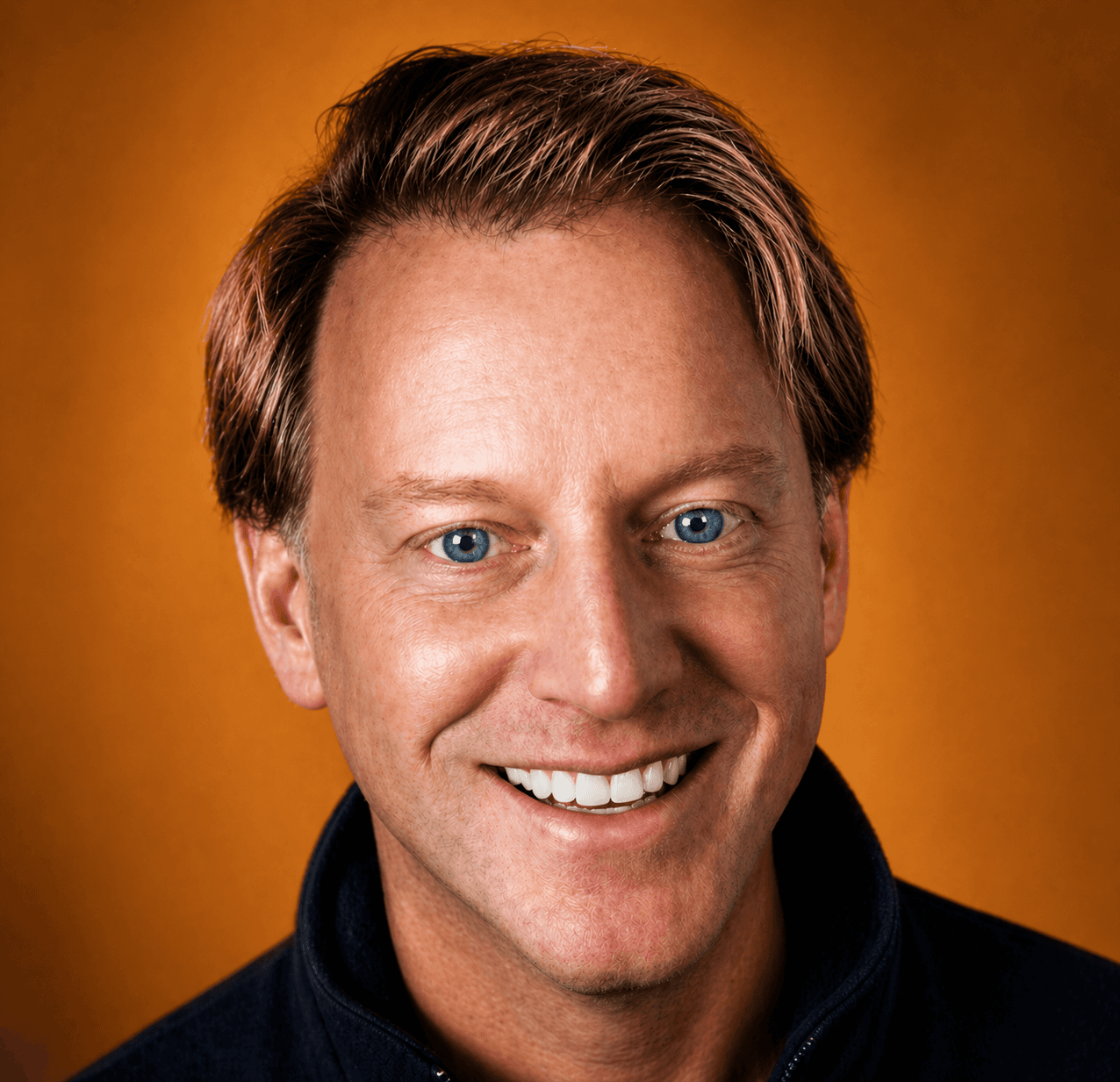
Guest

CEO of Neuros Medical
David is the President and CEO of Neuros Medical, where he joined as Chief Operating Officer in 2018. With over 30 years in medtech, he previously held senior commercial leadership roles at Cardiovascular Systems (CSI) and Stryker, and helped grow CSI's coronary and peripheral business from approximately $50 million to more than $250 million in annual revenue while leading key amputation-prevention initiatives. David also serves as a private equity advisor with Sectoral Asset Management.
Interview Summary
David Veino is the President and CEO of Neuros Medical, a company developing therapies for chronic post-amputation pain. He joined the company as Chief Operating Officer in 2018 before becoming CEO in 2023, bringing decades of commercial leadership experience from Cardiovascular Systems (CSI), Stryker, Globus Medical, and other venture-backed medical device companies.
Approximately 2.5 million people in the United States live with lower-limb amputations, with roughly 230,000 major lower-limb amputations performed each year. About 80% of amputees experience chronic post-amputation pain, yet treatment options have historically been limited, with many patients relying on opioids. David notes that 40% of these patients have already tried four or more therapies without success, and many experience depression, anxiety, and suicidal ideation.
Neuros developed the FDA-approved Altius Direct Electrical Nerve Stimulation System, a fully implantable, on-demand neuromodulation therapy for phantom limb pain and residual limb pain. Activated by patients only when needed, the system blocks pain signals before they reach the brain.
Founded in 2008, Neuros completed its first-in-human study in 2012 and concluded its IDE PMA pivotal trial in 2021. The company has since received FDA approval, secured Category I CPT codes, completed a $56 million Series D financing in 2025, and commercially launched Altius in early 2026 as it expands adoption of its non-opioid therapy for chronic post-amputation pain.
Top Takeaways
Build your commercial strategy around the patient journey. Before identifying your target customers, map how patients reach your therapy — from diagnosis and referral through eventual treatment. The stakeholders who influence that journey aren't always the clinicians using your technology. Understanding where patients enter the system, who influences referrals, and which stakeholders to educate upstream helps build advocates for your therapy throughout the care pathway.
Novel therapies demand gold-standard clinical evidence. This means making deliberate decisions across every aspect of the study — from using rigorous controls like active shams and double blinding to setting ambitious primary endpoints, robust secondary endpoints, selecting experienced trial sites, and investing in the people needed to educate and enroll patients. The goal isn't simply to complete a pivotal trial, it's to generate the breadth of evidence needed for regulatory approval, reimbursement, and commercial adoption.
Investors fund companies they perceive as scalable. Novel technology alone rarely makes a startup investable. Investors look for a significant unmet need, runway beyond the initial indication, platform expansion opportunities, ease of use, commercial readiness, reimbursement, and healthcare economics. Together, these factors determine whether a promising technology can become a scalable business.
Your pitch should leave investors wanting another meeting. A great pitch helps investors quickly understand the problem, the market opportunity, how your technology addresses both, and why your team is positioned to execute. Tailor your story to the stage, investment focus, and background of each investor. Aim to tell your story in about 20–25 minutes, leaving enough curiosity to earn the next meeting.
Sponsors
FastWave Medical: Named MD+DI's Company of the Year, FastWave is one of the hottest medtech startups in the cardiovascular space. See how you can invest here.
Medsider Fundraising Cohort: Planning to raise capital for your medtech startup? This live, 4-week workshop, led by Medsider is designed to help founders and CEOs tell a sharper story, get investor meetings that matter, and close real capital. Join the waitlist here.
Key Moments
03:02 David's 30-year medtech journey from cardiovascular devices to leading Neuros
04:38 How Neuros is treating chronic post-amputation pain with on-demand neuromodulation
11:08 Why Neuros completely changed its strategy halfway through the pivotal trial
15:36 Why commercialization starts with referral pathways, not end-users
18:09 How prosthetists became one of Neuros' most important referral sources
26:11 What it takes to generate gold-standard clinical evidence for a first-of-its-kind therapy
37:41 Building an investor pitch that earns the next meeting
41:42 What gets David excited enough to invest in a medtech company
Chat with Scott
Ask ScottBot questions about this interview, key takeaways, or other medtech topics.
Full Transcript
So we would look at targeting, we would look at adopters, we would look at utilization of the technology itself. But I think the lesson learned is we would go way upstream to determine what's the referral pathway and where do the patients come from, and how do we educate that part of it as soon as possible to build constituency around the technology so that when patients are looking for affirmation or they're looking for second opinion, there's enough people to say, Yes, we believe this is the appropriate treatment option for you based on your current condition.
Narrator:Welcome to Medsider, where you can learn from the brightest founders and CEOs in medical devices and health technology. Join tens of thousands of ambitious doers as we unpack the insights, tactics, and secrets behind the most successful life science startups in the world. Now here's your host, Scott Nelson.
Scott Nelson:Hey, everyone, in this episode of Medsider, we sat down with David Veino, president and CEO of Neuros Medical. Neuros is commercializing the FDA approved Altius Direct Electrical Nerve Stimulation System for chronic post amputation pain. Before Neuros, David held senior commercial leadership roles at Cardiovascular Systems and Stryker and helped grow CSI's coronary and peripheral business from approximately $50,000,000 to more than $250,000,000 in annual revenue while leading key amputation prevention initiatives. He also serves as a private equity advisor with Sectoral Asset Management.
Scott Nelson:Here are a few topics we explored in this conversation. First, mapping the patient journey upstream; what this actually looks like in practice, and how it shapes commercial strategy. Second, what does it take to generate gold standard clinical evidence for a first of its kind technology? Third, how do investors distinguish a great technology from a scalable medtech business? And last, the anatomy of an investor pitch that earns the next meeting.
Scott Nelson:Before we dive into the full episode, if you're a Medtech founder or CEO preparing to raise capital, you should check out the Medsider fundraising cohort. This four week live workshop combines small group sessions with real time feedback to help you sharpen your investor story, build a targeted investor pipeline, and run a focused fundraising sprint instead of a never ending slog. Over the month, you'll walk away with an investor ready narrative and deck, outreach scripts that actually get responses, a refreshed LinkedIn profile, a simple content plan that keeps you on investors' radar, and a repeatable system for running your raise. You can join the wait list at medsider.com/fundraisingcohort. Again, that's medsider.com/fundraisingcohort. Alright. Let's get to the interview.
Scott Nelson:Alright, David. Welcome to Medsider Radio. Appreciate you coming on.
David Veino:Hey. Thanks for having me. I'm excited to join. I appreciate it.
Scott Nelson:Yeah. Always nice interviewing a fellow Minnesota based device startup, CEO of a device startup anyway. But with that said, I recorded an abbreviated bio at the outset of this episode, but let's start there. Let's hear like the one to two minute kind of elevator pitch on what you've done throughout the past several decades in your career leading up to taking on CEO role at Neuros.
David Veino:Yeah. It's always hard to talk about yourself, but I think, you know, look, most importantly, I've been in Med device for thirty years, spanning across cardiovascular, peripheral vascular, a little bit of interventional spine at Stryker where I built their, interventional spine division from the ground up. Spent time in Minneapolis before with CSI, a company that was focused on peripheral vascular intervention, saving limbs from amputation.
David Veino:And really the last eight years, almost nine, here at Neuros is building out this organization focused on this pioneering neuromodulation technology for chronic post amputation pain. So spread the gamut over three decades now in different various areas of med device. Probably the most important part is just having a sickness in a good way for startups and excited to continue to venture through and deliver pioneering technology to the marketplace.
Scott Nelson:So funny that you mentioned sickness. Right? I mean, this is obviously an audio interview, but I'm we're recording this on video and I'm laughing because it's like earlier on in your careers, it's like startups are the sexy thing and then you do a few and you're like, oh, am I insane to do these?
David Veino:Very much so.
Scott Nelson:They're a lot of fun. They're they're a lot of fun, but it is not for the they're not for the faint of heart. I'll put it this way.
David Veino:It isn't. Not at all.
Scott Nelson:Yeah. So tell us a little bit about Neuros. I'm on the website right now and we'll obviously dig into the company and lessons learned not only throughout your career, but also over the past eight years or so at Neuros and kind of what you've learned along the way. But Neuros Medical is the website. I'm looking at the technology right now. Maybe explain it as if I've never heard of this. I'm a senior in high school and this kind of sounds interesting to me. Like what is this you guys are building here?
David Veino:Yeah, it's a really cool opportunity. And I think I'll start out with amputees, right? There's about two and a half million lower limb amputees in the country, about two hundred and thirty thousand major lower limb amputations every year. Eighty percent of those individuals unfortunately suffer from chronic post amputation pain, and there really aren't a lot of treatment options for them. You can utilize opioids, and we know the systemic effects of those, unfortunately.
David Veino:And that's really the sort of first line of therapy that most of these patients are subjected to. Other than that, there aren't a lot of treatment options. And unfortunately, this patient population really hasn't been studied before. So we were the only company who developed a technology to study these patients directly and get an on label indicated FDA approved device specifically for this population for their current condition. So really excited about it.
David Veino:It's a unique technology, one that doesn't exist in the marketplace. It's a high frequency nerve block. So when you think of neuromodulation technologies for spinal cord stimulation or failed back syndrome, very different. Those are therapies that run all the time, kind of run-in the background. And hopefully they will confuse the nervous system enough to say, Hey, that stimulus feels better than the pain.
David Veino:This is different. Patients actually can start the device and utilize its ability to provide an on demand nerve block. So the technology essentially blocks the pain signal from reaching the brain.
Scott Nelson:Very cool. And is it a wearable? Is it like a, is something that you use once per day or give me a little better sense for like the kind of the patient experience?
David Veino:It's a fully implantable system. There's a cuff electrode that actually wraps directly around the patient's severed nerve. And that is what allows the high frequency stimulus to penetrate the nerve and block the signal. And then the battery is actually implanted in the abdominal area so the patients can actually see when they turn the device on. So it's on demand as needed. Essentially, they have pain, they use their controller, they start the device, it sends the signal, it blocks the nerve. They get about nine hours of pain relief per session that they use the device.
Scott Nelson:Okay. Very good. To a certain extent, of set it and forget it, if you will. Right? Most of the time is it implanted at the time of amputation? Is it a post amputation sort of experience like a procedure? Tell me more about that.
David Veino:Yeah, it's a post amputation pain procedure. So patients are usually about a year post amputation when they start developing chronic pain conditions. So we're on a large scale clinical trial. You had to be one year post amputation. Most patients were about nine years on average going through numerous types of therapies that have failed and then essentially got our device. So about anywhere a year after amputation is when the device is implanted.
Scott Nelson:Okay, very good. Circling back around to that, that one of those stats that you mentioned when you're kind of setting up sort of the market, if you will, is 80% of amputees that deal with this, that's incredibly high. Like I had no idea. Very high. Yeah, had no idea sort of the prevalence of this sort of experience was that great.
Scott Nelson:So that's always one of the things that's attracted me to the medical device space, right? Is these large, like huge needs. And so it's like not to underappreciate other startups and other verticals, but that's something special about the device space. You're nodding your head. I'm assuming you agree, right? You've been in game long enough, but it's pretty cool, right, to work on something that like solves such a real, pun unintended, but real pain point here, right, for a lot of patients.
David Veino:It is. And I think, you know, working in cardiology, working in peripheral vascular disease, working in interventional spine pain area, you see these large populations, and we certainly know about the number one killer in the US being cardiovascular disease, and I would argue even peripheral vascular disease today. So epidemic of diabetes in this country, epidemic of amputations and peripheral vascular disease. Interestingly, when you get into some of these, I would say niche to a certain degree, right? So this niche market, 2.5 million patients, another 230,000 every year, and 80% will have chronic post amputation pain with very little treatment options.
David Veino:Most med device sectors that we work in have multiple treatment options for a particular disease state, right? It may be different mechanism of actions, it may be different types of therapy, but traditionally there's quite a few different therapeutic opportunities for these patients. This is different. This population of patients really doesn't have anything but a opioid prescription. Interestingly enough too, forty percent of these patients that have a major lower limb amputation have tried four or more therapeutic interventions that have failed.
David Veino:Most of these patients will have more than one amputation. So between PTSD, depression, anxiety, and worst, this is the worst part of all, over a sixty percent suicidal ideation rate. So that's probably the worst part. When we can apply our technology to this population, we can get them off of their opioid dependency, we can restore their quality of life, and most importantly, we can help them from their suicidality ideation by removing their pain.
Scott Nelson:Yeah, tackling some huge issues there for sure. So pretty cool technology and cool way to go about solving some of these major issues that these patients suffer with. So with that said, we're recording this in kind of mid, let's call it mid twenty twenty six, for someone that's listening to this maybe three, six months down the road. Where's the company at right now in terms of life cycle?
David Veino:We raised our series D and and closed it end of July of last year. And then we started commercialization January 1. So we set up the entire team into twenty five of last year. So the end of twenty five had the team on board, had everybody trained and ready to go, got reimbursement. So we got our CPT one codes last year as well.
David Veino:And that allowed us to really start to venture out into commercial execution, set up the right number of, as you know, territories, accounts, targets, measure incredibly well, iterate along the way, change the sales process as needed. So we're in the middle of, call it end of month six of full commercialization.
Scott Nelson:Wow. Yeah. So pretty, a lot of activity going on right now. And I just think it's always helpful to kind of go to look at kind of the window, right. That you've been with that, as a CEO that's been at a company, right. And you're almost, you're closer to a decade, right. Than a half decade in terms of time at Neuros. And yet here we are, right? In month six of commercialization. Just think it never ceases to amaze me how much time, right, is needed to effectively build these new types of therapies.
David Veino:It is amazing. When you think about, and we ran an IDE PMA clinical trial, right? So gold standard in clinical trials. There was a uniqueness about this organization that the company was founded in 2008 out of Cleveland. It was really a technology out of Case Western Reserve that was in their sort of incubator program.
David Veino:They started really the clinical journey with, first in man and the pilot study done in 2012. They kicked off the pivotal study in 2014. Crazy to think 2014 and the trial concluded in 2021. So it usually never takes seven years to run a clinical trial. I don't care how hard the trial usually is.
David Veino:This wouldn't pause for about eighteen months for financing. So it kind of shut them down for a little bit, then they restarted. And then we shifted the entire strategy of the clinical trial sort of in mid phase. This is another one of those moments in development of startup companies where you have these moments of, wait a minute, you changed the entire landscape and the trajectory of the company in mid clinical trial phase. How did that happen?
David Veino:Originally, the organization was focused on neurosurgeons and interventional pain physicians. Unfortunately, they don't see post amputation pain because they don't have a treatment option for them. Vascular surgeons do most of the amputations in any large geographical area. And so we switched our entire sites. So we closed down neurosurgeon sites.
David Veino:We started up vascular surgeon sites. After we did that, COVID hit, and it was probably one of the most interesting things I've ever seen. COVID was a disaster for many, many reasons, for many, many people across the globe, including a lot of medical device companies. For Neuros, it was really a silver lining. So patients have chronic pain, which is exacerbated by depression and anxiety.
David Veino:I would argue people that had two good legs like you and I probably had a lot of depression and anxiety during that time, right? So the vascular surgeons kept their ASCs open and running, and the patients flocked to these ASC locations to get the device implanted through the clinical trial. And they accelerated the trial, and it was done in record time during the height of COVID. So one of the most interesting things I've ever seen happen, but along the way, look, lots of changes, lots of fundraising, lots of moments going through the FDA for our PMA approval, our breakthrough device designation. Yeah, To say that it's almost a decade and still here doing it with a smile on my face and excited. Yeah. It takes a lot.
Scott Nelson:Yeah. Testament to you and the team. Right? I mean, we're both smiling, but it's like, man, these stories never cease to amaze me. And I think it's more people in device space deserve even more credit, right? Because these are just, they're challenging companies to build and the obstacles are never ending. With that said, I'm interested to kind of go back in time and learn a little bit more about some of your experiences, right? Not just with Neuros, also the other startups that you've been with over the past couple of decades as well. But again, for everyone listening, if you don't get to the full write up on Medsider for this particular conversation with David, the website is neurosmedical.com. So just as it sounds, neurosmedical.com, neurosmedical.com.
Scott Nelson:Highly encourage you to check out the technology. Pretty cool area to be developing solutions in. The first kind of topic I wanted to discuss was really commercial scale, right? Cause you've done this a number of times at other startups, right? You mentioned CSI as an example that went through some pretty explosive growth during your time there in the peripheral vascular space.
Scott Nelson:When you think about kind of the challenging of taking a technology like this, that although there are a lot of great therapeutic options or very few therapeutic options outside of drugs, it's still novel, right? It's different. And so as you kind of begin to sort of prepare the commercialization skids, if you'll grease the skids for commercialization, what have been some of the more interesting things or lessons learned kind of thinking about those various referral patterns and how those change and what it takes for clinicians to adopt a new type of therapy like this?
David Veino:I think that's the $64,000 question, right? Whenever you start to do this is, can you lay out the blueprint if you can get this right, Right? And can you get it right early and often versus late? And the dollars that you spend and what you invest and your changing strategies, those are a killer in any organization, right? Especially venture backed startup companies.
David Veino:You have so much money and so much time, and that's it. Right? And if you got to go out and raise more money sooner than you would want to, people get deluded and people get angry. Right? So things don't go so well. So can you get it right the first time?
David Veino:The one area that I would say is probably lessons learned over time is ensure that you have an incredibly good handle on targeting. And it is not the simple med device, hey, it's the early adopters, and they're sort of this bell curve, and we're going to get on the forefront of the early adopters. They're going to go ahead and take us all the way through. Then they're going to hand us off to the next segment and so on and so forth.
David Veino:You really need to understand and know the market. And I think what you have to do is back up and really start to target upfront who are the diagnosing and referring entities and what is the patient pathway of getting to a particular area where a disease state is that needs to be treated. So for peripheral vascular back in the day, one of the most important areas for us to target was podiatry. And people would look at that and say, What do you mean? The majority of patients where they were first diagnosed for peripheral vascular disease was podiatry.
David Veino:And if you've got a diabetic ulceration, you're about 80% likely, if not intervened, that you're going to get your first amputation, whether it be toes, midfoot, or foot, that's where it's going to start. So we would go all the way up to podiatry and even internal medicine family practice to ensure that we could go there and start the education process because podiatry gets paid on feet. And you probably want two good feet if you're a podiatrist. So how do we ensure that we not only keep your patients as healthy as possible, but how do we intervene at the most appropriate times and have the likelihood of adoption of our technology? So we would look at targeting, we would look at adopters, we would look at utilization of the technology itself.
David Veino:But I think the lesson learned is we would go way upstream to determine what's the referral pathway and where do the patients come from, and how do we educate that part of it as soon as possible to build constituency around the technology so that when patients are looking for affirmation or they're looking for second opinion, there's enough people to say, Yes, we believe this is the appropriate treatment option for you based on your current condition.
Scott Nelson:Maybe draw from your days at CSI doing this, right? Because you mentioned podiatry being a pretty critical kind of starting point stakeholder in that process. And you've kind of applied a lot of lessons, right? And sort of that blueprint or that playbook at Neuros. But is that a scenario where you've gone, you found it effective to kind of go and collaborate with vascular surgeons who are maybe implanting the technology and then doing sort of educational initiatives alongside you know, those primary care physicians or, you know, some other key referral stakeholder?
Scott Nelson:What what I guess, in other words, what what's working today versus, you know, is that same kind of playbook working today versus it, you know, maybe, know, ten years ago at at CSI?
David Veino:It is. It's it's and it's interesting because I think what what applied here after many learning lessons at CSI, and if you follow the track record at CSI, we had some not so great years for a number of reasons and some explosive growth, right? So not to replay those issues, which was what did we learn from that and how do we implement that and what we're trying to accomplish today? Sort of the same thing. Amputees, what's interesting is if you have cardiovascular disease, you go see a cardiologist.
David Veino:If you have cancer, you see an oncologist. If you're an amputee, there is not an amputeologist, right? So it's very fragmented healthcare. And so what you have to understand is when a patient receives an amputation, where primarily are they getting their care from? And what's interesting is prosthetist.
David Veino:So a prosthetist who puts on the prosthetic, they're not a healthcare provider, they're a vendor. But they spend the majority of time with amputees preamputation and postamputation. And so we've spent a lot of our time doing CE education and education in general to the prosthetist community because they are a gigantic referral source into vascular surgery and reverse the other way. Vascular surgeons send a lot of their patients to prosthetists, right? So we took the tact of, hey, vascular surgeons are important to implant our technology, and that's great, but we're going to go way upstream to look at where do we intervene early with education to ensure we have the right patient population getting to the right physician that has the right ecosystem that can adopt our technology.
Scott Nelson:Got it. Was that something that wasn't overly apparent until you started going a little bit deeper with trying to understand that landscape or like, I guess when did that surface? Because it seems like it makes a ton of sense now, hearing you describe that, but I gotta think it wasn't like, you know, there's maybe a lot of steps to get there, right? To fully understand kind of what that looked like.
David Veino:I agree because I think the traditional focus that a lot of med device companies have is they're looking for the end user first. Hey, who's my end user? Who's my target? Who are we going to spend time with? How are we going to target?
David Veino:Are they early adopters? What targeting information are we going to use to get to those guys? And then who are some of the high level referring entities? I think everybody kind of does that really well. Well, prosthetists are not a in this case, you can look at podiatry, who's part of it.
David Veino:You can look at PM&R who is part of it. You can look at even some of the internal medicine family practices that diagnose phantom and residual limb pain. But prosthetists are a vendor, so they don't have NPI numbers. They're not somebody who shows up on an Acuity MD targeting list. There's like, not this like, Oh yeah, here's this huge list of prosthetists, right?
David Veino:You got to really go out and figure out who are those individuals tied to these surgeons? What role do they play? Are they progressive and looking for treatment options for their patients? Or they just want to get them at a prosthetic and sell that? Are they tied to therapy?
David Veino:Do they have relationships with a physical therapist or occupational therapist? So there was a little bit of fact finding to determine who cares for a lot of these people. Where do they spend most of their time if it's outside the healthcare continuum of MDs?
Scott Nelson:One of those things that I'm just, I'm not sure if this is overly applicable to what you've been through, but one of those things that's like, it doesn't really come to light on a PowerPoint slide deck, right, until you start getting in the mix, right, going to getting in the weeds, rolling up your sleeves and really trying to understand kind of the disparate landscape and who really impacts some of these pathways for a lot of these patients in various areas of the country.
Scott Nelson:So one other topic kind of on this idea of kind of going all in on a startup and kind of scaling novel technology. I know you're part of the, or at least an advisor, right, to sectoral asset management. So you've seen a lot of good ideas come across your desk over the years, but you decided to spend almost a decade now at Neuros, right? So you kind of understand kind of like what, where's an area that I sort of want to double down into.
Scott Nelson:When you think about some of those other technologies that you've seen come and go that you've sort of turned away, so to speak, right? Like, is there a difference between when you decide to double down on something and really think it could eventually turn into a sustainable business?
David Veino:Yeah, I think it's a really good question and I'll give you a couple of examples. One would be cancer therapy treatments, right? I think there's this opportunity for cancer treatments to be much more specific and tailored to individuals, meeting them where their cancer is versus, Hey, we're just going to go ahead and blast this person with whatever therapeutic intervention is sort of the flavor of whatever the oncology treatment community says, right? There's some really specific and awesome things that the cancer community is doing with very specific treatments tailored to patients that preserve healthy tissue and go after cancer tumors. And just awesome.
David Veino:And one that we reviewed not that long ago, which was technology was fascinating. I think it could have had a real market opportunity, but their ability to get that technology to the market, to the masses, to make this a real commercial opportunity that you could see grow and scale and have value creation wasn't there. The level of heavy lifting that it was going to take and the dollars it was going to require was probably more than what an investment community and especially Sectoral and even some of the other people that passed on it decided that it was probably worth at the time. So it wasn't quite there yet. I don't think their commercial model was as refined as it needed to be.
David Veino:I think there were some advancements in the technology that still needed to happen. That's probably where the investment needed to go versus trying to commercialize. I think everybody's looking for that return in X period of time, right? It could be three to four years. It depends on if you're biotech or medtech, but I think everybody's looking for the return window that that particular firm tends to sort of wrap their arms around and say, this is the investment window that we're making.
David Veino:Here's the exit window that we're thinking about in terms of the life cycle of this fund and what we want to invest in. There's a couple of things that are really important, commercial execution, commercial plan, commercial readiness, and reimbursement. And these are two areas that are major stumbling blocks for a lot of organizations. Sometimes people are really close to their commercial strategy and probably don't take the time to see it in a three sixty degree view. And what holes could other people see in their commercial execution strategy? Second would be reimbursement. We all know that I don't care how great your technology is, if they can't get paid for it, nobody cares.
Scott Nelson:No doubt. Isn't that the truth? Right. It's the hard truth, right? Yeah. And understanding kind of what it takes to get there, right? To develop a category one CPT code. And let's transition to talking about kind of what the ClinReg roadmap, not just for Neuros, but kind of what it took to kind of effectively get to a CAT one CPT code. So I guess first question though, before we kind of get to maybe the clinical data that laddered up to that, like designing for a study, you mentioned one of the challenges early on and pivot that took place at Neuros, right? With kind of swapping out trial sites for and heading more in the direction of vascular surgery versus interventional pain medicine.
Scott Nelson:When developing a technology like this with sort of a subject, there's a fair amount, I would imagine a fair amount of subjectivity to pain in general. Right? And so did that did that present other other challenges as well as you're thinking about kinda developing or designing, I should say, trials for Neuros?
Scott Nelson:Hey, everyone. Let's take a quick break to catch you up on Medsider courses. These eight week courses are designed to help you learn winning formulas from world class CEOs. Medsider courses cover topics like fundraising, device design and development, clinical and regulatory strategy, commercialization, and M&A. Each course covers the hard earned lessons shared by the Medtech Founders and CEOs who join our program. Medsider courses can be purchased individually or they're included at no additional cost with the Medsider All Access Pass. You can explore Medsider courses at medsider.com/courses. Again, that's medsider.com/courses. Okay, let's get back to the conversation.
David Veino:Yeah, I would say that's exactly right. And anybody who's ever done a pain study knows there's a lot of subjectivity to pain and to pain measurement. If you look at a lot of neuromodulation trials that have been done in the past for spinal cord stimulation, and we'll just focus on that for a second, they'll measure the baseline level of pain when a patient starts the trial itself. Ninety days later, they'll measure their pain and then they'll get a responder rate. Well, pain is incredibly dynamic and it doesn't quite happen like that, right?
David Veino:And so we said, in order for us to be considered a gold standard of a clinical trial, we better do this against an active sham. So whenever you say an active sham, immediately people start to cringe because there've been a lot of failures of companies that have tried to do an active sham trial and have failed. We said because our technology is an on demand therapy, so it's not running all the time, it has a discernible mechanism of action, we need to do a trial against an active sham. So our trial was randomized one to one, either the group got full therapy or they got an active sham. So they actually got activated therapy that the patients could feel.
David Veino:There was a discernible feeling of the therapy itself. It was just subtherapeutic, so it didn't have the blocking mechanism that the full therapy did. But patients felt it. They were randomized one to one for ninety days. It was double blinded all the way through crossover and all the way through twelve months. So really challenging for a clinical trial of that nature when you have patients that were in the active sham group cross over and get full therapy, the full therapy group just gets reprogrammed from scratch. To be able to keep those arms completely blinded from everyone, provider, patients, any of the health care providers that were involved in the study, all the way through twelve months, with a very different feeling between active, full active block therapy versus active sham, was an incredible feat. And so for us to do that, it was amazing. The outcomes were even more, I think, mind boggling for people that it was a fifty percent level of pain reduction in fifty percent of sessions performed at thirty minutes. So imagine trying to get a 50% level of pain reduction and 50% of the sessions that the participants utilize the device at thirty minutes when the device shuts off. It's unheard of. There's not a chance that's happening, right? And so when I first took over the trial, when we were designing this thing and getting it executed for implementation, I'm like, there's not a chance we're gonna pass this.
David Veino:This is our primary efficacy endpoint. This is gonna be tough. We better have some really good robust secondaries in case we miss our primary endpoint. We made our primary endpoint, blew the p value away, and then showed a significant pain reduction at two hours. So we measured it at thirty minutes when the device shut off. We measured it again two hours later to demonstrate there was even a greater effect of pain control over time, which there is with the device.
David Veino:And then we had two other things or three other things I think were critical in the entire outcomes of the study, which I think allowed us to get our CPT one codes, which were significant reductions, statistically significant in opioid utilization. So massive reduction in opioid use. Forty percent of our patients stopped taking opioids altogether, and there was no weaning protocol. So really awesome.
David Veino:So you really know that if a device is working to reduce acute level pain and they're dropping opioids by that much, clearly that mechanism of action is working. A significant increase in quality of life, more importantly, sleeping, walking, returning to work, critical things for this patient population. And then one that I love is our ability to demonstrate the long term pain reduction. So it's one thing to get the thirty minute and the two hour. We showed a sixty percent reduction in chronic pain at one year.
David Veino:So that severity and the number of severe episodes that patients were having was reduced by sixty percent at twelve months. So the results were awesome. We applied for New Tech APC, so we thought absolutely with breakthrough device designation, we should apply for New Tech APC. The CMS came back and declined our New Tech APC application and gave us actual CPT one code.
Scott Nelson:Oh Wow.
David Veino:Sort of this, we were looking for a New Tech APC, which we thought was great, which would have been great for our Medicare patients, would have been challenging for our commercial pay, right? So there was a little bit of a trade off there. CPT-one codes were actually great for both, great for our Medicare patients and then really good for our commercial pay patients as well. So we were lucky.
Scott Nelson:Wow, lucky, but I would say there's probably a lot lot of lot of really good execution along the way. Sounds like, especially running that that type of rigorous trial. Kind of on on the topic of, you know, sort of being granted a CAT one CPT code while you were sort of just asking for the the APC. It sounds like that was surprising. Was that largely driven from just the quality of evidence or the quality of the results from the trial, the QUEST study?
David Veino:Yeah. It was two things. One, being completely honest, it was, hey, we didn't meet the New Tech APC criteria, which we were all kind of shocked by, because it was very apparent that when you read the New Tech APC application and guidelines, clearly our technology met that. We were a breakthrough device designation. There really is nothing else in this category treating this patient population.
David Veino:And clearly we said, Hey, there's not a chance we're not going to get that, right? Another fatal flaw of startup organizations when you're so convicted and your consultants who you pay a lot of money to make you even more convicted at what your decision is, and then you get surprised, right? Thank God in a good way, but we got surprised. But I also think it was because of the level of evidence that we had. And CMS also said, Hey, look, what you're doing is not unfamiliar to us as CMS.
David Veino:We're going to slot you into at least one of the two existing codes, right? So we got slotted into an existing code for peripheral nerve stimulation. And so the good news is there are organizations that came well before us that did a really good job of laying the groundwork to get peripheral nerve stimulation approved by a lot of the commercial payers. So about 60, almost 70% of commercial payers recognize peripheral nerve stimulation codes, which is great, but still a bit of a surprise to us.
Scott Nelson:Okay. Yeah. Well, circling back around to the study in the trial design, I got to think running that sort of rigorous of a trial with an active sham arm, site selection was even more crucial, right? I mean, it's always important, right, to any sort of pivotal trial, but especially in this case, talk to us a little bit about that. Like did you, especially kind of off the pivot of refocusing on vascular surgery community, how crucial was that to seeing some of the results that you saw?
David Veino:Incredibly critical. I think it was really important for us to really identify the clinical trial sites that had a lot of experience doing novel clinical studies, even if it wasn't in neuromodulation like this one was, but sites that were very experienced in doing complex clinical studies, right? So that was incredibly important to us. We also had to spend a lot of time with these clinical sites, more than I would have expected, but the patient population and our ability to get people enrolled that had a lot of questions about, I've tried four more treatment options before they failed. Hey, I've got more than one amputation. Hey, I'm a little skeptical of the healthcare system, even though I'm applying for this clinical trial.
David Veino:It took us a lot of work and more investment than we had originally considered or even budgeted for to put field clinical specialists and education specialists in these targeted clinical trial sites to help the clinical research coordinators get these patients through, educated and into the clinical study. So good site selection, but great leadership on the clinical side by our team. And I think really smart investments to make sure that you had the right level of individuals helping to put their arms around these patients and get them in the clinical study.
Scott Nelson:Yeah. Speaks to the, I think the importance of probably having the right group of investors around the cap table, right? That are willing to continue to inject funds for, you know, maybe not necessarily unbudgeted resources, but maybe just more, you know, more budget needed around certain resources in order to effectively run a trial like this.
David Veino:I can't say enough good things. And I'm not just saying this just to, you know, in case our investors hear this. Can't say enough good things about our investors and our board members who, you know, thankfully, and I wouldn't say we chose these people the right way. You know how fundraising goes. We don't always get to choose. We get chosen, right?
David Veino:So it's a bit different when you're going through the fundraising hoops. I would say that some of the board members had really good experience in understanding challenging technologies like ours, and they invested in other technologies, one primarily here in the Twin Cities. It's a multibillion dollar market cap company that hasn't been acquired yet by one of the big companies in sleep apnea. You can probably guess who that is, right? So a lot of our board members invested in that organization early on and think about their trajectory, right?
David Veino:You're talking about a first of its kind sleep apnea treatment that's an active implantable, right? So patients have to go through a sleep study, they've got to go through an endoscopy test, all the different challenges on this referral pathway to get the therapy. Our board members have been through that. They saw it, they understood it, they went through it, they knew it's gonna be a little bit more challenging, likely gonna take a little bit longer and likely gonna take more investment. But I think that investment clearly worked out for them. So we're hoping the same thing happens here.
Scott Nelson:Yeah. I just wanna double click into this for a little bit, because sometimes, I mean, to your point, a lot of times when we're raising capital, we don't have the optionality that we wish we did. Right? And the sort of the choice to kind of pick and choose and be overly selective, right, with investors. But that said, sometimes it's easy to get caught up on valuation and terms, Right?
Scott Nelson:And you weigh that maybe or prioritize that more heavily than a group of investors that has been through something similar. Right? And so you choose the right in a hypothetical scenario, you choose maybe other investors that offered more favorable terms. But then when you encountered a challenge that needed where you needed to throw a little bit more money at a certain problem, right? To see a successful outcome, you had investors that were willing to inject more capital or further support the company.
Scott Nelson:It's just really, really important because I don't think it's something that I even appreciated as much as I should have five, ten years ago. And so anyway, despite the fact that so many people have always told me, no one died from dilution and it shouldn't be, you need to be paying attention to it of course. But at end the day, the company needs to survive and move forward. Right.
David Veino:So People may not have died from dilution, but it sure as hell feels that way at times when that topic is front and center.
Scott Nelson:Oh yeah. It's like, it's like one of the chronic diseases, right. Of dilution. Right. And so, but we're joking about it. Like, I just, I don't have your list of investors around the, in front of me right now. Certainly, I mean, there's lot of credit to be said, right? To support a company through a lot of hurdles, right, that needed to be crossed to get as far as you have.
Scott Nelson:So with that said, let's chat a little bit more about fundraising, right? Because I mentioned earlier you advised Sectoral. So you've been around a lot of startups, you've seen a lot of ideas, etcetera, raised a lot of capital. And so when you think about some of the more critical lessons learned, right? And for a new CEO, right? Or a founder that's approaching their first seed round or maybe raising their first series A from institutional investors, what are one or two like things that you definitely think they should understand?
David Veino:Man, get your story right out of the gate. Get a great pitch deck. Be very clear in the communication of what it is you're trying to execute. Right? So a lot of people spend a lot of time, and I assume pitch decks that are, thirty, forty slides, And it is just mayhem.
David Veino:And I think if you can get it down to it, I don't even think it's the magic number of slides, but I think a very clear, direct understanding of the story and the market opportunity and the problem you're trying to solve and what your unique technology is trying to address. People start to understand that pretty quickly, right? So you got to have a great pitch deck. You got to make sure that you're targeting the right investors too. So I've seen a lot of people, I've seen a lot at Sectoral, and I think we ran into this step early on.
David Veino:Let's just fill the calendar with everybody who will listen to our story, right? And then you give the same exact pitch to every single person. You really need to be methodical and take the time to understand who the individuals are, exactly what category do they fit in. Are they early preclinical investors, clinical investors? Are they early commercial stage investors?
David Veino:What do they tend to invest in? What's their background? How do you know that? Who have they co invested with? So targeting, understanding, and then delivering a very well designed, succinct story that people can wrap their arms around where they don't have to sit back and say, hey, can you send me more data? Because I'm not exactly sure I understand this.
David Veino:Or, hey, let me in your data room so I can really kind of figure out what the hell you're telling me. So be succinct, have a great pitch deck, know the investors inside and out, and be able to stratify who they are and how to present each one of them.
Scott Nelson:Yeah. I'm nodding my head in full agreement, especially around this sort of the storytelling aspect, right, and making sure that you have a very clear succinct, you know, kind of narrative that can be, know, reasonably understood, right, in a thirty minute call with a potential investor. That takes a while to get to. I mean it's like doesn't come easy to most people even if you've raised a lot of capital, right? It's like you take some practice and takes a lot of pitching and refining, etcetera.
Scott Nelson:And I like how you describe, like, the pitch decks that you and I both have seen. It's like, it's mayhem. Right? It's like, we're all over the place here. You know what I mean? That's what it feels like. You know? Like, you just went through a through a hurricane trying trying to trying to scroll through the deck.
David Veino:And every word is important. Now we gotta keep that. And you're looking at these slides, you're like, people can't make heads or tails of this stuff. Right? Like, they have no idea what they're talking about. No no idea what they're looking at. So yeah. Or, hey, let's create an appendix and we'll put everything in the appendix we want them to know.
David Veino:So look, if people are interested in and you can hook the interest of people, you can get more time with them, you can spend more time, you can bring in other subject matter experts, you'll have another bite at the apple, But you want people to say, Hey, I'm really interested, and there's something here, can we schedule another time to talk? Get that and look for honest feedback too.
David Veino:As you're a CEO trying to raise capital, you want very direct, open, honest feedback. Right? That's what you should be asking to make sure that you can make what it is you're doing better. How can we deliver it better? How can we make it more clear? What are the changes that we should be making? What additions that should we make? What should we take out? So don't be afraid to ask for feedback. There's a lot of us that think highly of ourselves and think we have the conversational magic. Right? We just have it. It's been the best opportunity of my career at Neuros is to ask for a ton of feedback and get as much direct feedback as possible so that we can make what we're doing better because at end of the day, that's what we're trying to do.
Scott Nelson:Really well said. Thinking about with your time at Neuros specifically, or even just kind of raising capital, I guess for Neuros or even sitting on sort of the other side of the table at Sectoral kind of assisting in various diligence or even participating in a lot of calls, trying to vet whether or not an idea is kind of worth taking that follow-up meeting. What would cause you to kind of lean in and say, this is interesting. Right? I we we should. I mean, we should do another follow-up meeting.
David Veino:Yeah. I think first of all, I mean, are they addressing a significant unmet need? Right? Are they addressing a significant unmet need? Do they do they have something in this technology that clearly has runway? I'm looking for for runway. I'm looking for clear unmet need. I'm looking for maybe platform technology. Are there other applications of this technology I can look at and say, Hey, clearly their current indication is X, right? It gives us X amount of runway with additional clinical evidence generation.
David Veino:There may be other indications. There could be market expansion opportunities. I'm looking for ease of utilization of the technology. How easy is this to use? I'm looking at cost. We all know cost burden to the health care system. I'm looking for revenue generation, reimbursement. So there's critical things I'm looking at. Applications, technology, ease of use, commercialization, reimbursement, cost. There's a few factors that if I can check off really quickly and say, wow, this thing meets sort of the first five checkboxes I've got, hey, let's take another meeting and let's dig in a little bit here and kind of see where this thing is.
David Veino:There are some things that were no brainers. It was like, yep, we're gonna do this. I mean, it was hard not to just jump out of the chair on the phone and tell people, yep, we're gonna go ahead and invest in this thing, or yep, let's take this to another meeting. Then, you know, I look at who's pitching. Like, who are we investing in? Like, who are the people we're investing in? Right? Do they have the passion for this? Do they have the team that can go execute this thing? Yeah. I'm looking for those things too.
David Veino:So there's a lot on the list, but the first four or five are the things that I just nailed, which are, hey. I'm looking for these things. If if it has that, then then there's a high likelihood we're taking another meeting or we're gonna take another look at this.
Scott Nelson:Yeah. And maybe just hearing you kinda riff on this on this topic, obviously, we could probably spend a whole half hour, an hour, right? Kind of going deep on just the single question alone. But maybe the way to frame this up is for, if you're new to kind of the fundraising game, think about those four to five most crucial things that you need to check off that list. If those aren't clear and apparent in a thirty minute conversation, probably need to go back to the drawing board and make sure it is. Right.
Scott Nelson:Or if it's not clear, if you can't answer those questions, you know, maybe taking a step back and kind of rethinking kind of what you're working on altogether. You know what mean? So like the foundational things need to be there. Right? And then obviously the passion, right? The energy, you need to be bringing that to the pitch. Right? You can't expect the other side who's listening to you to be kind of leaning in without you kind of being winsome yourself.
David Veino:You have to. And I would say that working with the Sectoral team who are just amazing, having the experience of working with them made us better in developing our story and developing our pitch. Watching others, right? Good or bad. Right? I mean, look, I stole from other people. Hey, this is a great idea, man. We should absolutely position our stuff this way. Hey, that's a great graphic. Graphic utilization of graphical depictions in your slides are critical.
David Veino:I mean, it's so funny because there are times where I'm like, oh, that's exactly telling the story that we want to tell. I know people are like, you know, maybe the first five or six times they're having us explain, like, what does this mean? There's a pretty clear indication that, you know what, it's not as clear as you wanted it to be. So when you see other things, you're like, oh man, that's really clear. Yes, I'm going steal that sort of, you know, graphic.
David Veino:It's really important, and that made us better at condensing our deck down. And I think we could do our pitch. I think as we ended the Series D, we could probably make it in twenty like a really good pitch in like twenty two to twenty four minutes that people are like, man, this is awesome. Like, let's dig in and, hey, let us get us into the data room. We want to sign a nondisclosure.
David Veino:Hey, let's go do this. And it was the practicing that we had. It was watching the stuff when I was at Sectoral, but it was answering those questions that I would be asking. Hey, can can we nail these things? If we can, you know, we're gonna have a great opportunity to move this thing forward. So we didn't get it right the first, second, third, or sixth time. It took us a while to make sure we got it right, and and I think we did a pretty damn good job.
Scott Nelson:Yeah. I'm I'm glad you mentioned the time too, and and I wanna get to the rapid fire portion of this this this interview. But but just to touch on that real quick. That's so important. Right? Because a lot of times you you really only have thirty minutes. And if you're gonna if you're gonna allow for any sort of, like, q and a towards the end of this thirty minute call, you really need to nail your your pitch in fifteen, twenty minutes ish. Right? Something like that. Otherwise, you get stuck in a scenario where you only got halfway through it.
Scott Nelson:And those four or five crucial check boxes that you mentioned earlier, David, you you maybe you didn't even touch on how you're solving for half of them. Right? And so you just get in a scenario where it's like you couldn't really effectively tell your whole story. You're only a partial, you know, like a certain percentage of it. That's the early shot, you know?
David Veino:You couldn't have said it better. I mean, there were moments where early on and and even maybe in series c, even series b probably, early on, there were moments where it's no wonder we didn't get through half of our deck and then the other team had to go. I mean, they're busy. Right? And and, you know, what what I had to remember is we had to be incredibly respectful of the time we were given, utilize that judiciously, give them what they're looking for so that we can earn the opportunity for another call.
David Veino:And early on, we didn't do that. We were really full of ourselves, I would say, in this great technology, and why wouldn't people want to give us extra time? That sort of transitioned to our company where we have put in a policy that you have to adhere to meeting times. Right? So if it's a thirty minute meeting, it's not a thirty five or forty minute meeting, it's a thirty minute meeting. So you better nail what it is you need to in that thirty minute timeframe because everybody else is busy. So we've sort of taken that into our company culture and we've learned a lot because of it.
Scott Nelson:Yeah. Yeah. Good little sort of silver lining. Right? And and lessons learned early on in in in pitching. But it's good stuff. Again, for everyone listening, Neuros Medical is the website, neurosmedical.com. Neurosmedical.com. We'll link to it in full write up on Medsider. We'll also link to David's LinkedIn profile. You can check out his background in a little more detail as well.
Scott Nelson:But let's get to the rapid fire portion of the interview. You can answer in rapid fire fashion if you want, David, or feel free to expand a little bit on your answers. But first one on the docket, take us out to mid two thousand twenty seven. So a year from now, what are you most excited about at at Neuros?
David Veino:I'm most excited about adoption of our technology in two phases, the vascular surgeons, as well as these limb optimization programs. So these newly emerging ortho plastic programs that do osseointegration, which is like this guy here. He's got this prosthetic that's bolted into his femur. So these new emerging programs that are doing a lot of crazy work with limb optimization and maximizing the true functional outcomes for amputees. We're super excited about that program and look to be a standard of care in those institutions.
Scott Nelson:Very good. All right. Let's say we just had a nice intimate dinner in Minneapolis with a bunch of Medtech entrepreneurs. What's the one lesson that you'd want to leave them with that they, know, really everyone really needs to understand in order to see some semblance of success in their venture.
David Veino:Have a lot of humility, right? Which a lot of us sometimes don't have. So I think have a lot of humility, but also understand that you're trying to deliver technology for these large unmet needs, and it has to be of value not only to the end users, right, but it has to be of value to the healthcare system. We have got to deliver value back to the healthcare system. The days of us bringing high value, high dollar technologies and expecting hospitals and institutions to embrace it and sort of lose money in certain areas is not the case. So we've got to get really effective and efficient in delivering cost effective technologies to the marketplace for greater patient adoption and pull through for people that need it.
Scott Nelson:Really well put. I mean, dynamics and the ever changing dynamics are certainly make it challenging, right, to take a company as far as you have. So last question I have for you. Take us back to maybe, let's call it your, I don't know, early on in your career, mid twenties, late twenties, etcetera, something something like that. Anything you'd whisper in the ears of the younger version of yourself?
David Veino:A lot. Many things. You know, probably patience. Patience, be patient, be patient. It's excellence, not perfection. Right? And so for me, was all about, I grew up in this family, in this world of high achievers, and so it was all about perfectionism, How to be perfect, how to be way ahead of its time, right? As fast as we could go, as perfect as we could go. And if you didn't, you were a failure. I'd be a little bit more patient and I'd look for excellence and not perfection. That's what I would tell my younger self.
Scott Nelson:I'm leaning in, right? Oftentimes I need to hear that advice over and over again. Especially in the world of startups. But David, can't thank you enough for coming on the program. Carving out an hour to tell us a little bit more about Neuros obviously, but about a lot of key lessons learned throughout your journey in device space. This has been fun.
David Veino:It's a pleasure. You did a great job, so thanks for having me. I really appreciate it.
Scott Nelson:I'll have you all on line, David. But thanks everyone for your listening attention. As always, highly encourage you to check out Neuros' website, which we'll link to in the full write up at neurosmedical.com. Until the next episode of Medsider goes live. Everyone, take care.
Scott Nelson:Hey. It's Scott again. One quick thing before you go. You see, I love bringing you insightful conversations with the best founders and CEOs of medical device and health technology startups. But here's the thing. I'd be super grateful if you could help me reach even more ambitious doers who share our passion. So if you found value in this podcast, if you found yourself nodding your head while listening, or if you simply enjoy what we're doing with Medsider, please take a moment to leave us a review. It's super easy. Just open your Apple Podcast app or the podcast app of your choice, search for our show, and scroll down to the ratings and review section. Leave your honest thoughts and hit that five star rating if you think we're worthy.
Scott Nelson:Your feedback is incredibly important and it's the best way to ensure we keep bringing you awesome discussions with leading founders and CEOs. So take a moment to be a good friend and leave that review today. As always, thanks for being a part of our journey and for helping Medsider continue to grow and evolve. Your support is greatly appreciated. Alright. Enough talk about reviews. Stay tuned for another informative episode coming at you soon.
Read More
So we would look at targeting, we would look at adopters, we would look at utilization of the technology itself. But I think the lesson learned is we would go way upstream to determine what's the referral pathway and where do the patients come from, and how do we educate that part of it as soon as possible to build constituency around the technology so that when patients are looking for affirmation or they're looking for second opinion, there's enough people to say, Yes, we believe this is the appropriate treatment option for you based on your current condition.
Narrator:Welcome to Medsider, where you can learn from the brightest founders and CEOs in medical devices and health technology. Join tens of thousands of ambitious doers as we unpack the insights, tactics, and secrets behind the most successful life science startups in the world. Now here's your host, Scott Nelson.
Scott Nelson:Hey, everyone, in this episode of Medsider, we sat down with David Veino, president and CEO of Neuros Medical. Neuros is commercializing the FDA approved Altius Direct Electrical Nerve Stimulation System for chronic post amputation pain. Before Neuros, David held senior commercial leadership roles at Cardiovascular Systems and Stryker and helped grow CSI's coronary and peripheral business from approximately $50,000,000 to more than $250,000,000 in annual revenue while leading key amputation prevention initiatives. He also serves as a private equity advisor with Sectoral Asset Management.
Scott Nelson:Here are a few topics we explored in this conversation. First, mapping the patient journey upstream; what this actually looks like in practice, and how it shapes commercial strategy. Second, what does it take to generate gold standard clinical evidence for a first of its kind technology? Third, how do investors distinguish a great technology from a scalable medtech business? And last, the anatomy of an investor pitch that earns the next meeting.
Scott Nelson:Before we dive into the full episode, if you're a Medtech founder or CEO preparing to raise capital, you should check out the Medsider fundraising cohort. This four week live workshop combines small group sessions with real time feedback to help you sharpen your investor story, build a targeted investor pipeline, and run a focused fundraising sprint instead of a never ending slog. Over the month, you'll walk away with an investor ready narrative and deck, outreach scripts that actually get responses, a refreshed LinkedIn profile, a simple content plan that keeps you on investors' radar, and a repeatable system for running your raise. You can join the wait list at medsider.com/fundraisingcohort. Again, that's medsider.com/fundraisingcohort. Alright. Let's get to the interview.
Scott Nelson:Alright, David. Welcome to Medsider Radio. Appreciate you coming on.
David Veino:Hey. Thanks for having me. I'm excited to join. I appreciate it.
Scott Nelson:Yeah. Always nice interviewing a fellow Minnesota based device startup, CEO of a device startup anyway. But with that said, I recorded an abbreviated bio at the outset of this episode, but let's start there. Let's hear like the one to two minute kind of elevator pitch on what you've done throughout the past several decades in your career leading up to taking on CEO role at Neuros.
David Veino:Yeah. It's always hard to talk about yourself, but I think, you know, look, most importantly, I've been in Med device for thirty years, spanning across cardiovascular, peripheral vascular, a little bit of interventional spine at Stryker where I built their, interventional spine division from the ground up. Spent time in Minneapolis before with CSI, a company that was focused on peripheral vascular intervention, saving limbs from amputation.
David Veino:And really the last eight years, almost nine, here at Neuros is building out this organization focused on this pioneering neuromodulation technology for chronic post amputation pain. So spread the gamut over three decades now in different various areas of med device. Probably the most important part is just having a sickness in a good way for startups and excited to continue to venture through and deliver pioneering technology to the marketplace.
Scott Nelson:So funny that you mentioned sickness. Right? I mean, this is obviously an audio interview, but I'm we're recording this on video and I'm laughing because it's like earlier on in your careers, it's like startups are the sexy thing and then you do a few and you're like, oh, am I insane to do these?
David Veino:Very much so.
Scott Nelson:They're a lot of fun. They're they're a lot of fun, but it is not for the they're not for the faint of heart. I'll put it this way.
David Veino:It isn't. Not at all.
Scott Nelson:Yeah. So tell us a little bit about Neuros. I'm on the website right now and we'll obviously dig into the company and lessons learned not only throughout your career, but also over the past eight years or so at Neuros and kind of what you've learned along the way. But Neuros Medical is the website. I'm looking at the technology right now. Maybe explain it as if I've never heard of this. I'm a senior in high school and this kind of sounds interesting to me. Like what is this you guys are building here?
David Veino:Yeah, it's a really cool opportunity. And I think I'll start out with amputees, right? There's about two and a half million lower limb amputees in the country, about two hundred and thirty thousand major lower limb amputations every year. Eighty percent of those individuals unfortunately suffer from chronic post amputation pain, and there really aren't a lot of treatment options for them. You can utilize opioids, and we know the systemic effects of those, unfortunately.
David Veino:And that's really the sort of first line of therapy that most of these patients are subjected to. Other than that, there aren't a lot of treatment options. And unfortunately, this patient population really hasn't been studied before. So we were the only company who developed a technology to study these patients directly and get an on label indicated FDA approved device specifically for this population for their current condition. So really excited about it.
David Veino:It's a unique technology, one that doesn't exist in the marketplace. It's a high frequency nerve block. So when you think of neuromodulation technologies for spinal cord stimulation or failed back syndrome, very different. Those are therapies that run all the time, kind of run-in the background. And hopefully they will confuse the nervous system enough to say, Hey, that stimulus feels better than the pain.
David Veino:This is different. Patients actually can start the device and utilize its ability to provide an on demand nerve block. So the technology essentially blocks the pain signal from reaching the brain.
Scott Nelson:Very cool. And is it a wearable? Is it like a, is something that you use once per day or give me a little better sense for like the kind of the patient experience?
David Veino:It's a fully implantable system. There's a cuff electrode that actually wraps directly around the patient's severed nerve. And that is what allows the high frequency stimulus to penetrate the nerve and block the signal. And then the battery is actually implanted in the abdominal area so the patients can actually see when they turn the device on. So it's on demand as needed. Essentially, they have pain, they use their controller, they start the device, it sends the signal, it blocks the nerve. They get about nine hours of pain relief per session that they use the device.
Scott Nelson:Okay. Very good. To a certain extent, of set it and forget it, if you will. Right? Most of the time is it implanted at the time of amputation? Is it a post amputation sort of experience like a procedure? Tell me more about that.
David Veino:Yeah, it's a post amputation pain procedure. So patients are usually about a year post amputation when they start developing chronic pain conditions. So we're on a large scale clinical trial. You had to be one year post amputation. Most patients were about nine years on average going through numerous types of therapies that have failed and then essentially got our device. So about anywhere a year after amputation is when the device is implanted.
Scott Nelson:Okay, very good. Circling back around to that, that one of those stats that you mentioned when you're kind of setting up sort of the market, if you will, is 80% of amputees that deal with this, that's incredibly high. Like I had no idea. Very high. Yeah, had no idea sort of the prevalence of this sort of experience was that great.
Scott Nelson:So that's always one of the things that's attracted me to the medical device space, right? Is these large, like huge needs. And so it's like not to underappreciate other startups and other verticals, but that's something special about the device space. You're nodding your head. I'm assuming you agree, right? You've been in game long enough, but it's pretty cool, right, to work on something that like solves such a real, pun unintended, but real pain point here, right, for a lot of patients.
David Veino:It is. And I think, you know, working in cardiology, working in peripheral vascular disease, working in interventional spine pain area, you see these large populations, and we certainly know about the number one killer in the US being cardiovascular disease, and I would argue even peripheral vascular disease today. So epidemic of diabetes in this country, epidemic of amputations and peripheral vascular disease. Interestingly, when you get into some of these, I would say niche to a certain degree, right? So this niche market, 2.5 million patients, another 230,000 every year, and 80% will have chronic post amputation pain with very little treatment options.
David Veino:Most med device sectors that we work in have multiple treatment options for a particular disease state, right? It may be different mechanism of actions, it may be different types of therapy, but traditionally there's quite a few different therapeutic opportunities for these patients. This is different. This population of patients really doesn't have anything but a opioid prescription. Interestingly enough too, forty percent of these patients that have a major lower limb amputation have tried four or more therapeutic interventions that have failed.
David Veino:Most of these patients will have more than one amputation. So between PTSD, depression, anxiety, and worst, this is the worst part of all, over a sixty percent suicidal ideation rate. So that's probably the worst part. When we can apply our technology to this population, we can get them off of their opioid dependency, we can restore their quality of life, and most importantly, we can help them from their suicidality ideation by removing their pain.
Scott Nelson:Yeah, tackling some huge issues there for sure. So pretty cool technology and cool way to go about solving some of these major issues that these patients suffer with. So with that said, we're recording this in kind of mid, let's call it mid twenty twenty six, for someone that's listening to this maybe three, six months down the road. Where's the company at right now in terms of life cycle?
David Veino:We raised our series D and and closed it end of July of last year. And then we started commercialization January 1. So we set up the entire team into twenty five of last year. So the end of twenty five had the team on board, had everybody trained and ready to go, got reimbursement. So we got our CPT one codes last year as well.
David Veino:And that allowed us to really start to venture out into commercial execution, set up the right number of, as you know, territories, accounts, targets, measure incredibly well, iterate along the way, change the sales process as needed. So we're in the middle of, call it end of month six of full commercialization.
Scott Nelson:Wow. Yeah. So pretty, a lot of activity going on right now. And I just think it's always helpful to kind of go to look at kind of the window, right. That you've been with that, as a CEO that's been at a company, right. And you're almost, you're closer to a decade, right. Than a half decade in terms of time at Neuros. And yet here we are, right? In month six of commercialization. Just think it never ceases to amaze me how much time, right, is needed to effectively build these new types of therapies.
David Veino:It is amazing. When you think about, and we ran an IDE PMA clinical trial, right? So gold standard in clinical trials. There was a uniqueness about this organization that the company was founded in 2008 out of Cleveland. It was really a technology out of Case Western Reserve that was in their sort of incubator program.
David Veino:They started really the clinical journey with, first in man and the pilot study done in 2012. They kicked off the pivotal study in 2014. Crazy to think 2014 and the trial concluded in 2021. So it usually never takes seven years to run a clinical trial. I don't care how hard the trial usually is.
David Veino:This wouldn't pause for about eighteen months for financing. So it kind of shut them down for a little bit, then they restarted. And then we shifted the entire strategy of the clinical trial sort of in mid phase. This is another one of those moments in development of startup companies where you have these moments of, wait a minute, you changed the entire landscape and the trajectory of the company in mid clinical trial phase. How did that happen?
David Veino:Originally, the organization was focused on neurosurgeons and interventional pain physicians. Unfortunately, they don't see post amputation pain because they don't have a treatment option for them. Vascular surgeons do most of the amputations in any large geographical area. And so we switched our entire sites. So we closed down neurosurgeon sites.
David Veino:We started up vascular surgeon sites. After we did that, COVID hit, and it was probably one of the most interesting things I've ever seen. COVID was a disaster for many, many reasons, for many, many people across the globe, including a lot of medical device companies. For Neuros, it was really a silver lining. So patients have chronic pain, which is exacerbated by depression and anxiety.
David Veino:I would argue people that had two good legs like you and I probably had a lot of depression and anxiety during that time, right? So the vascular surgeons kept their ASCs open and running, and the patients flocked to these ASC locations to get the device implanted through the clinical trial. And they accelerated the trial, and it was done in record time during the height of COVID. So one of the most interesting things I've ever seen happen, but along the way, look, lots of changes, lots of fundraising, lots of moments going through the FDA for our PMA approval, our breakthrough device designation. Yeah, To say that it's almost a decade and still here doing it with a smile on my face and excited. Yeah. It takes a lot.
Scott Nelson:Yeah. Testament to you and the team. Right? I mean, we're both smiling, but it's like, man, these stories never cease to amaze me. And I think it's more people in device space deserve even more credit, right? Because these are just, they're challenging companies to build and the obstacles are never ending. With that said, I'm interested to kind of go back in time and learn a little bit more about some of your experiences, right? Not just with Neuros, also the other startups that you've been with over the past couple of decades as well. But again, for everyone listening, if you don't get to the full write up on Medsider for this particular conversation with David, the website is neurosmedical.com. So just as it sounds, neurosmedical.com, neurosmedical.com.
Scott Nelson:Highly encourage you to check out the technology. Pretty cool area to be developing solutions in. The first kind of topic I wanted to discuss was really commercial scale, right? Cause you've done this a number of times at other startups, right? You mentioned CSI as an example that went through some pretty explosive growth during your time there in the peripheral vascular space.
Scott Nelson:When you think about kind of the challenging of taking a technology like this, that although there are a lot of great therapeutic options or very few therapeutic options outside of drugs, it's still novel, right? It's different. And so as you kind of begin to sort of prepare the commercialization skids, if you'll grease the skids for commercialization, what have been some of the more interesting things or lessons learned kind of thinking about those various referral patterns and how those change and what it takes for clinicians to adopt a new type of therapy like this?
David Veino:I think that's the $64,000 question, right? Whenever you start to do this is, can you lay out the blueprint if you can get this right, Right? And can you get it right early and often versus late? And the dollars that you spend and what you invest and your changing strategies, those are a killer in any organization, right? Especially venture backed startup companies.
David Veino:You have so much money and so much time, and that's it. Right? And if you got to go out and raise more money sooner than you would want to, people get deluded and people get angry. Right? So things don't go so well. So can you get it right the first time?
David Veino:The one area that I would say is probably lessons learned over time is ensure that you have an incredibly good handle on targeting. And it is not the simple med device, hey, it's the early adopters, and they're sort of this bell curve, and we're going to get on the forefront of the early adopters. They're going to go ahead and take us all the way through. Then they're going to hand us off to the next segment and so on and so forth.
David Veino:You really need to understand and know the market. And I think what you have to do is back up and really start to target upfront who are the diagnosing and referring entities and what is the patient pathway of getting to a particular area where a disease state is that needs to be treated. So for peripheral vascular back in the day, one of the most important areas for us to target was podiatry. And people would look at that and say, What do you mean? The majority of patients where they were first diagnosed for peripheral vascular disease was podiatry.
David Veino:And if you've got a diabetic ulceration, you're about 80% likely, if not intervened, that you're going to get your first amputation, whether it be toes, midfoot, or foot, that's where it's going to start. So we would go all the way up to podiatry and even internal medicine family practice to ensure that we could go there and start the education process because podiatry gets paid on feet. And you probably want two good feet if you're a podiatrist. So how do we ensure that we not only keep your patients as healthy as possible, but how do we intervene at the most appropriate times and have the likelihood of adoption of our technology? So we would look at targeting, we would look at adopters, we would look at utilization of the technology itself.
David Veino:But I think the lesson learned is we would go way upstream to determine what's the referral pathway and where do the patients come from, and how do we educate that part of it as soon as possible to build constituency around the technology so that when patients are looking for affirmation or they're looking for second opinion, there's enough people to say, Yes, we believe this is the appropriate treatment option for you based on your current condition.
Scott Nelson:Maybe draw from your days at CSI doing this, right? Because you mentioned podiatry being a pretty critical kind of starting point stakeholder in that process. And you've kind of applied a lot of lessons, right? And sort of that blueprint or that playbook at Neuros. But is that a scenario where you've gone, you found it effective to kind of go and collaborate with vascular surgeons who are maybe implanting the technology and then doing sort of educational initiatives alongside you know, those primary care physicians or, you know, some other key referral stakeholder?
Scott Nelson:What what I guess, in other words, what what's working today versus, you know, is that same kind of playbook working today versus it, you know, maybe, know, ten years ago at at CSI?
David Veino:It is. It's it's and it's interesting because I think what what applied here after many learning lessons at CSI, and if you follow the track record at CSI, we had some not so great years for a number of reasons and some explosive growth, right? So not to replay those issues, which was what did we learn from that and how do we implement that and what we're trying to accomplish today? Sort of the same thing. Amputees, what's interesting is if you have cardiovascular disease, you go see a cardiologist.
David Veino:If you have cancer, you see an oncologist. If you're an amputee, there is not an amputeologist, right? So it's very fragmented healthcare. And so what you have to understand is when a patient receives an amputation, where primarily are they getting their care from? And what's interesting is prosthetist.
David Veino:So a prosthetist who puts on the prosthetic, they're not a healthcare provider, they're a vendor. But they spend the majority of time with amputees preamputation and postamputation. And so we've spent a lot of our time doing CE education and education in general to the prosthetist community because they are a gigantic referral source into vascular surgery and reverse the other way. Vascular surgeons send a lot of their patients to prosthetists, right? So we took the tact of, hey, vascular surgeons are important to implant our technology, and that's great, but we're going to go way upstream to look at where do we intervene early with education to ensure we have the right patient population getting to the right physician that has the right ecosystem that can adopt our technology.
Scott Nelson:Got it. Was that something that wasn't overly apparent until you started going a little bit deeper with trying to understand that landscape or like, I guess when did that surface? Because it seems like it makes a ton of sense now, hearing you describe that, but I gotta think it wasn't like, you know, there's maybe a lot of steps to get there, right? To fully understand kind of what that looked like.
David Veino:I agree because I think the traditional focus that a lot of med device companies have is they're looking for the end user first. Hey, who's my end user? Who's my target? Who are we going to spend time with? How are we going to target?
David Veino:Are they early adopters? What targeting information are we going to use to get to those guys? And then who are some of the high level referring entities? I think everybody kind of does that really well. Well, prosthetists are not a in this case, you can look at podiatry, who's part of it.
David Veino:You can look at PM&R who is part of it. You can look at even some of the internal medicine family practices that diagnose phantom and residual limb pain. But prosthetists are a vendor, so they don't have NPI numbers. They're not somebody who shows up on an Acuity MD targeting list. There's like, not this like, Oh yeah, here's this huge list of prosthetists, right?
David Veino:You got to really go out and figure out who are those individuals tied to these surgeons? What role do they play? Are they progressive and looking for treatment options for their patients? Or they just want to get them at a prosthetic and sell that? Are they tied to therapy?
David Veino:Do they have relationships with a physical therapist or occupational therapist? So there was a little bit of fact finding to determine who cares for a lot of these people. Where do they spend most of their time if it's outside the healthcare continuum of MDs?
Scott Nelson:One of those things that I'm just, I'm not sure if this is overly applicable to what you've been through, but one of those things that's like, it doesn't really come to light on a PowerPoint slide deck, right, until you start getting in the mix, right, going to getting in the weeds, rolling up your sleeves and really trying to understand kind of the disparate landscape and who really impacts some of these pathways for a lot of these patients in various areas of the country.
Scott Nelson:So one other topic kind of on this idea of kind of going all in on a startup and kind of scaling novel technology. I know you're part of the, or at least an advisor, right, to sectoral asset management. So you've seen a lot of good ideas come across your desk over the years, but you decided to spend almost a decade now at Neuros, right? So you kind of understand kind of like what, where's an area that I sort of want to double down into.
Scott Nelson:When you think about some of those other technologies that you've seen come and go that you've sort of turned away, so to speak, right? Like, is there a difference between when you decide to double down on something and really think it could eventually turn into a sustainable business?
David Veino:Yeah, I think it's a really good question and I'll give you a couple of examples. One would be cancer therapy treatments, right? I think there's this opportunity for cancer treatments to be much more specific and tailored to individuals, meeting them where their cancer is versus, Hey, we're just going to go ahead and blast this person with whatever therapeutic intervention is sort of the flavor of whatever the oncology treatment community says, right? There's some really specific and awesome things that the cancer community is doing with very specific treatments tailored to patients that preserve healthy tissue and go after cancer tumors. And just awesome.
David Veino:And one that we reviewed not that long ago, which was technology was fascinating. I think it could have had a real market opportunity, but their ability to get that technology to the market, to the masses, to make this a real commercial opportunity that you could see grow and scale and have value creation wasn't there. The level of heavy lifting that it was going to take and the dollars it was going to require was probably more than what an investment community and especially Sectoral and even some of the other people that passed on it decided that it was probably worth at the time. So it wasn't quite there yet. I don't think their commercial model was as refined as it needed to be.
David Veino:I think there were some advancements in the technology that still needed to happen. That's probably where the investment needed to go versus trying to commercialize. I think everybody's looking for that return in X period of time, right? It could be three to four years. It depends on if you're biotech or medtech, but I think everybody's looking for the return window that that particular firm tends to sort of wrap their arms around and say, this is the investment window that we're making.
David Veino:Here's the exit window that we're thinking about in terms of the life cycle of this fund and what we want to invest in. There's a couple of things that are really important, commercial execution, commercial plan, commercial readiness, and reimbursement. And these are two areas that are major stumbling blocks for a lot of organizations. Sometimes people are really close to their commercial strategy and probably don't take the time to see it in a three sixty degree view. And what holes could other people see in their commercial execution strategy? Second would be reimbursement. We all know that I don't care how great your technology is, if they can't get paid for it, nobody cares.
Scott Nelson:No doubt. Isn't that the truth? Right. It's the hard truth, right? Yeah. And understanding kind of what it takes to get there, right? To develop a category one CPT code. And let's transition to talking about kind of what the ClinReg roadmap, not just for Neuros, but kind of what it took to kind of effectively get to a CAT one CPT code. So I guess first question though, before we kind of get to maybe the clinical data that laddered up to that, like designing for a study, you mentioned one of the challenges early on and pivot that took place at Neuros, right? With kind of swapping out trial sites for and heading more in the direction of vascular surgery versus interventional pain medicine.
Scott Nelson:When developing a technology like this with sort of a subject, there's a fair amount, I would imagine a fair amount of subjectivity to pain in general. Right? And so did that did that present other other challenges as well as you're thinking about kinda developing or designing, I should say, trials for Neuros?
Scott Nelson:Hey, everyone. Let's take a quick break to catch you up on Medsider courses. These eight week courses are designed to help you learn winning formulas from world class CEOs. Medsider courses cover topics like fundraising, device design and development, clinical and regulatory strategy, commercialization, and M&A. Each course covers the hard earned lessons shared by the Medtech Founders and CEOs who join our program. Medsider courses can be purchased individually or they're included at no additional cost with the Medsider All Access Pass. You can explore Medsider courses at medsider.com/courses. Again, that's medsider.com/courses. Okay, let's get back to the conversation.
David Veino:Yeah, I would say that's exactly right. And anybody who's ever done a pain study knows there's a lot of subjectivity to pain and to pain measurement. If you look at a lot of neuromodulation trials that have been done in the past for spinal cord stimulation, and we'll just focus on that for a second, they'll measure the baseline level of pain when a patient starts the trial itself. Ninety days later, they'll measure their pain and then they'll get a responder rate. Well, pain is incredibly dynamic and it doesn't quite happen like that, right?
David Veino:And so we said, in order for us to be considered a gold standard of a clinical trial, we better do this against an active sham. So whenever you say an active sham, immediately people start to cringe because there've been a lot of failures of companies that have tried to do an active sham trial and have failed. We said because our technology is an on demand therapy, so it's not running all the time, it has a discernible mechanism of action, we need to do a trial against an active sham. So our trial was randomized one to one, either the group got full therapy or they got an active sham. So they actually got activated therapy that the patients could feel.
David Veino:There was a discernible feeling of the therapy itself. It was just subtherapeutic, so it didn't have the blocking mechanism that the full therapy did. But patients felt it. They were randomized one to one for ninety days. It was double blinded all the way through crossover and all the way through twelve months. So really challenging for a clinical trial of that nature when you have patients that were in the active sham group cross over and get full therapy, the full therapy group just gets reprogrammed from scratch. To be able to keep those arms completely blinded from everyone, provider, patients, any of the health care providers that were involved in the study, all the way through twelve months, with a very different feeling between active, full active block therapy versus active sham, was an incredible feat. And so for us to do that, it was amazing. The outcomes were even more, I think, mind boggling for people that it was a fifty percent level of pain reduction in fifty percent of sessions performed at thirty minutes. So imagine trying to get a 50% level of pain reduction and 50% of the sessions that the participants utilize the device at thirty minutes when the device shuts off. It's unheard of. There's not a chance that's happening, right? And so when I first took over the trial, when we were designing this thing and getting it executed for implementation, I'm like, there's not a chance we're gonna pass this.
David Veino:This is our primary efficacy endpoint. This is gonna be tough. We better have some really good robust secondaries in case we miss our primary endpoint. We made our primary endpoint, blew the p value away, and then showed a significant pain reduction at two hours. So we measured it at thirty minutes when the device shut off. We measured it again two hours later to demonstrate there was even a greater effect of pain control over time, which there is with the device.
David Veino:And then we had two other things or three other things I think were critical in the entire outcomes of the study, which I think allowed us to get our CPT one codes, which were significant reductions, statistically significant in opioid utilization. So massive reduction in opioid use. Forty percent of our patients stopped taking opioids altogether, and there was no weaning protocol. So really awesome.
David Veino:So you really know that if a device is working to reduce acute level pain and they're dropping opioids by that much, clearly that mechanism of action is working. A significant increase in quality of life, more importantly, sleeping, walking, returning to work, critical things for this patient population. And then one that I love is our ability to demonstrate the long term pain reduction. So it's one thing to get the thirty minute and the two hour. We showed a sixty percent reduction in chronic pain at one year.
David Veino:So that severity and the number of severe episodes that patients were having was reduced by sixty percent at twelve months. So the results were awesome. We applied for New Tech APC, so we thought absolutely with breakthrough device designation, we should apply for New Tech APC. The CMS came back and declined our New Tech APC application and gave us actual CPT one code.
Scott Nelson:Oh Wow.
David Veino:Sort of this, we were looking for a New Tech APC, which we thought was great, which would have been great for our Medicare patients, would have been challenging for our commercial pay, right? So there was a little bit of a trade off there. CPT-one codes were actually great for both, great for our Medicare patients and then really good for our commercial pay patients as well. So we were lucky.
Scott Nelson:Wow, lucky, but I would say there's probably a lot lot of lot of really good execution along the way. Sounds like, especially running that that type of rigorous trial. Kind of on on the topic of, you know, sort of being granted a CAT one CPT code while you were sort of just asking for the the APC. It sounds like that was surprising. Was that largely driven from just the quality of evidence or the quality of the results from the trial, the QUEST study?
David Veino:Yeah. It was two things. One, being completely honest, it was, hey, we didn't meet the New Tech APC criteria, which we were all kind of shocked by, because it was very apparent that when you read the New Tech APC application and guidelines, clearly our technology met that. We were a breakthrough device designation. There really is nothing else in this category treating this patient population.
David Veino:And clearly we said, Hey, there's not a chance we're not going to get that, right? Another fatal flaw of startup organizations when you're so convicted and your consultants who you pay a lot of money to make you even more convicted at what your decision is, and then you get surprised, right? Thank God in a good way, but we got surprised. But I also think it was because of the level of evidence that we had. And CMS also said, Hey, look, what you're doing is not unfamiliar to us as CMS.
David Veino:We're going to slot you into at least one of the two existing codes, right? So we got slotted into an existing code for peripheral nerve stimulation. And so the good news is there are organizations that came well before us that did a really good job of laying the groundwork to get peripheral nerve stimulation approved by a lot of the commercial payers. So about 60, almost 70% of commercial payers recognize peripheral nerve stimulation codes, which is great, but still a bit of a surprise to us.
Scott Nelson:Okay. Yeah. Well, circling back around to the study in the trial design, I got to think running that sort of rigorous of a trial with an active sham arm, site selection was even more crucial, right? I mean, it's always important, right, to any sort of pivotal trial, but especially in this case, talk to us a little bit about that. Like did you, especially kind of off the pivot of refocusing on vascular surgery community, how crucial was that to seeing some of the results that you saw?
David Veino:Incredibly critical. I think it was really important for us to really identify the clinical trial sites that had a lot of experience doing novel clinical studies, even if it wasn't in neuromodulation like this one was, but sites that were very experienced in doing complex clinical studies, right? So that was incredibly important to us. We also had to spend a lot of time with these clinical sites, more than I would have expected, but the patient population and our ability to get people enrolled that had a lot of questions about, I've tried four more treatment options before they failed. Hey, I've got more than one amputation. Hey, I'm a little skeptical of the healthcare system, even though I'm applying for this clinical trial.
David Veino:It took us a lot of work and more investment than we had originally considered or even budgeted for to put field clinical specialists and education specialists in these targeted clinical trial sites to help the clinical research coordinators get these patients through, educated and into the clinical study. So good site selection, but great leadership on the clinical side by our team. And I think really smart investments to make sure that you had the right level of individuals helping to put their arms around these patients and get them in the clinical study.
Scott Nelson:Yeah. Speaks to the, I think the importance of probably having the right group of investors around the cap table, right? That are willing to continue to inject funds for, you know, maybe not necessarily unbudgeted resources, but maybe just more, you know, more budget needed around certain resources in order to effectively run a trial like this.
David Veino:I can't say enough good things. And I'm not just saying this just to, you know, in case our investors hear this. Can't say enough good things about our investors and our board members who, you know, thankfully, and I wouldn't say we chose these people the right way. You know how fundraising goes. We don't always get to choose. We get chosen, right?
David Veino:So it's a bit different when you're going through the fundraising hoops. I would say that some of the board members had really good experience in understanding challenging technologies like ours, and they invested in other technologies, one primarily here in the Twin Cities. It's a multibillion dollar market cap company that hasn't been acquired yet by one of the big companies in sleep apnea. You can probably guess who that is, right? So a lot of our board members invested in that organization early on and think about their trajectory, right?
David Veino:You're talking about a first of its kind sleep apnea treatment that's an active implantable, right? So patients have to go through a sleep study, they've got to go through an endoscopy test, all the different challenges on this referral pathway to get the therapy. Our board members have been through that. They saw it, they understood it, they went through it, they knew it's gonna be a little bit more challenging, likely gonna take a little bit longer and likely gonna take more investment. But I think that investment clearly worked out for them. So we're hoping the same thing happens here.
Scott Nelson:Yeah. I just wanna double click into this for a little bit, because sometimes, I mean, to your point, a lot of times when we're raising capital, we don't have the optionality that we wish we did. Right? And the sort of the choice to kind of pick and choose and be overly selective, right, with investors. But that said, sometimes it's easy to get caught up on valuation and terms, Right?
Scott Nelson:And you weigh that maybe or prioritize that more heavily than a group of investors that has been through something similar. Right? And so you choose the right in a hypothetical scenario, you choose maybe other investors that offered more favorable terms. But then when you encountered a challenge that needed where you needed to throw a little bit more money at a certain problem, right? To see a successful outcome, you had investors that were willing to inject more capital or further support the company.
Scott Nelson:It's just really, really important because I don't think it's something that I even appreciated as much as I should have five, ten years ago. And so anyway, despite the fact that so many people have always told me, no one died from dilution and it shouldn't be, you need to be paying attention to it of course. But at end the day, the company needs to survive and move forward. Right.
David Veino:So People may not have died from dilution, but it sure as hell feels that way at times when that topic is front and center.
Scott Nelson:Oh yeah. It's like, it's like one of the chronic diseases, right. Of dilution. Right. And so, but we're joking about it. Like, I just, I don't have your list of investors around the, in front of me right now. Certainly, I mean, there's lot of credit to be said, right? To support a company through a lot of hurdles, right, that needed to be crossed to get as far as you have.
Scott Nelson:So with that said, let's chat a little bit more about fundraising, right? Because I mentioned earlier you advised Sectoral. So you've been around a lot of startups, you've seen a lot of ideas, etcetera, raised a lot of capital. And so when you think about some of the more critical lessons learned, right? And for a new CEO, right? Or a founder that's approaching their first seed round or maybe raising their first series A from institutional investors, what are one or two like things that you definitely think they should understand?
David Veino:Man, get your story right out of the gate. Get a great pitch deck. Be very clear in the communication of what it is you're trying to execute. Right? So a lot of people spend a lot of time, and I assume pitch decks that are, thirty, forty slides, And it is just mayhem.
David Veino:And I think if you can get it down to it, I don't even think it's the magic number of slides, but I think a very clear, direct understanding of the story and the market opportunity and the problem you're trying to solve and what your unique technology is trying to address. People start to understand that pretty quickly, right? So you got to have a great pitch deck. You got to make sure that you're targeting the right investors too. So I've seen a lot of people, I've seen a lot at Sectoral, and I think we ran into this step early on.
David Veino:Let's just fill the calendar with everybody who will listen to our story, right? And then you give the same exact pitch to every single person. You really need to be methodical and take the time to understand who the individuals are, exactly what category do they fit in. Are they early preclinical investors, clinical investors? Are they early commercial stage investors?
David Veino:What do they tend to invest in? What's their background? How do you know that? Who have they co invested with? So targeting, understanding, and then delivering a very well designed, succinct story that people can wrap their arms around where they don't have to sit back and say, hey, can you send me more data? Because I'm not exactly sure I understand this.
David Veino:Or, hey, let me in your data room so I can really kind of figure out what the hell you're telling me. So be succinct, have a great pitch deck, know the investors inside and out, and be able to stratify who they are and how to present each one of them.
Scott Nelson:Yeah. I'm nodding my head in full agreement, especially around this sort of the storytelling aspect, right, and making sure that you have a very clear succinct, you know, kind of narrative that can be, know, reasonably understood, right, in a thirty minute call with a potential investor. That takes a while to get to. I mean it's like doesn't come easy to most people even if you've raised a lot of capital, right? It's like you take some practice and takes a lot of pitching and refining, etcetera.
Scott Nelson:And I like how you describe, like, the pitch decks that you and I both have seen. It's like, it's mayhem. Right? It's like, we're all over the place here. You know what I mean? That's what it feels like. You know? Like, you just went through a through a hurricane trying trying to trying to scroll through the deck.
David Veino:And every word is important. Now we gotta keep that. And you're looking at these slides, you're like, people can't make heads or tails of this stuff. Right? Like, they have no idea what they're talking about. No no idea what they're looking at. So yeah. Or, hey, let's create an appendix and we'll put everything in the appendix we want them to know.
David Veino:So look, if people are interested in and you can hook the interest of people, you can get more time with them, you can spend more time, you can bring in other subject matter experts, you'll have another bite at the apple, But you want people to say, Hey, I'm really interested, and there's something here, can we schedule another time to talk? Get that and look for honest feedback too.
David Veino:As you're a CEO trying to raise capital, you want very direct, open, honest feedback. Right? That's what you should be asking to make sure that you can make what it is you're doing better. How can we deliver it better? How can we make it more clear? What are the changes that we should be making? What additions that should we make? What should we take out? So don't be afraid to ask for feedback. There's a lot of us that think highly of ourselves and think we have the conversational magic. Right? We just have it. It's been the best opportunity of my career at Neuros is to ask for a ton of feedback and get as much direct feedback as possible so that we can make what we're doing better because at end of the day, that's what we're trying to do.
Scott Nelson:Really well said. Thinking about with your time at Neuros specifically, or even just kind of raising capital, I guess for Neuros or even sitting on sort of the other side of the table at Sectoral kind of assisting in various diligence or even participating in a lot of calls, trying to vet whether or not an idea is kind of worth taking that follow-up meeting. What would cause you to kind of lean in and say, this is interesting. Right? I we we should. I mean, we should do another follow-up meeting.
David Veino:Yeah. I think first of all, I mean, are they addressing a significant unmet need? Right? Are they addressing a significant unmet need? Do they do they have something in this technology that clearly has runway? I'm looking for for runway. I'm looking for clear unmet need. I'm looking for maybe platform technology. Are there other applications of this technology I can look at and say, Hey, clearly their current indication is X, right? It gives us X amount of runway with additional clinical evidence generation.
David Veino:There may be other indications. There could be market expansion opportunities. I'm looking for ease of utilization of the technology. How easy is this to use? I'm looking at cost. We all know cost burden to the health care system. I'm looking for revenue generation, reimbursement. So there's critical things I'm looking at. Applications, technology, ease of use, commercialization, reimbursement, cost. There's a few factors that if I can check off really quickly and say, wow, this thing meets sort of the first five checkboxes I've got, hey, let's take another meeting and let's dig in a little bit here and kind of see where this thing is.
David Veino:There are some things that were no brainers. It was like, yep, we're gonna do this. I mean, it was hard not to just jump out of the chair on the phone and tell people, yep, we're gonna go ahead and invest in this thing, or yep, let's take this to another meeting. Then, you know, I look at who's pitching. Like, who are we investing in? Like, who are the people we're investing in? Right? Do they have the passion for this? Do they have the team that can go execute this thing? Yeah. I'm looking for those things too.
David Veino:So there's a lot on the list, but the first four or five are the things that I just nailed, which are, hey. I'm looking for these things. If if it has that, then then there's a high likelihood we're taking another meeting or we're gonna take another look at this.
Scott Nelson:Yeah. And maybe just hearing you kinda riff on this on this topic, obviously, we could probably spend a whole half hour, an hour, right? Kind of going deep on just the single question alone. But maybe the way to frame this up is for, if you're new to kind of the fundraising game, think about those four to five most crucial things that you need to check off that list. If those aren't clear and apparent in a thirty minute conversation, probably need to go back to the drawing board and make sure it is. Right.
Scott Nelson:Or if it's not clear, if you can't answer those questions, you know, maybe taking a step back and kind of rethinking kind of what you're working on altogether. You know what mean? So like the foundational things need to be there. Right? And then obviously the passion, right? The energy, you need to be bringing that to the pitch. Right? You can't expect the other side who's listening to you to be kind of leaning in without you kind of being winsome yourself.
David Veino:You have to. And I would say that working with the Sectoral team who are just amazing, having the experience of working with them made us better in developing our story and developing our pitch. Watching others, right? Good or bad. Right? I mean, look, I stole from other people. Hey, this is a great idea, man. We should absolutely position our stuff this way. Hey, that's a great graphic. Graphic utilization of graphical depictions in your slides are critical.
David Veino:I mean, it's so funny because there are times where I'm like, oh, that's exactly telling the story that we want to tell. I know people are like, you know, maybe the first five or six times they're having us explain, like, what does this mean? There's a pretty clear indication that, you know what, it's not as clear as you wanted it to be. So when you see other things, you're like, oh man, that's really clear. Yes, I'm going steal that sort of, you know, graphic.
David Veino:It's really important, and that made us better at condensing our deck down. And I think we could do our pitch. I think as we ended the Series D, we could probably make it in twenty like a really good pitch in like twenty two to twenty four minutes that people are like, man, this is awesome. Like, let's dig in and, hey, let us get us into the data room. We want to sign a nondisclosure.
David Veino:Hey, let's go do this. And it was the practicing that we had. It was watching the stuff when I was at Sectoral, but it was answering those questions that I would be asking. Hey, can can we nail these things? If we can, you know, we're gonna have a great opportunity to move this thing forward. So we didn't get it right the first, second, third, or sixth time. It took us a while to make sure we got it right, and and I think we did a pretty damn good job.
Scott Nelson:Yeah. I'm I'm glad you mentioned the time too, and and I wanna get to the rapid fire portion of this this this interview. But but just to touch on that real quick. That's so important. Right? Because a lot of times you you really only have thirty minutes. And if you're gonna if you're gonna allow for any sort of, like, q and a towards the end of this thirty minute call, you really need to nail your your pitch in fifteen, twenty minutes ish. Right? Something like that. Otherwise, you get stuck in a scenario where you only got halfway through it.
Scott Nelson:And those four or five crucial check boxes that you mentioned earlier, David, you you maybe you didn't even touch on how you're solving for half of them. Right? And so you just get in a scenario where it's like you couldn't really effectively tell your whole story. You're only a partial, you know, like a certain percentage of it. That's the early shot, you know?
David Veino:You couldn't have said it better. I mean, there were moments where early on and and even maybe in series c, even series b probably, early on, there were moments where it's no wonder we didn't get through half of our deck and then the other team had to go. I mean, they're busy. Right? And and, you know, what what I had to remember is we had to be incredibly respectful of the time we were given, utilize that judiciously, give them what they're looking for so that we can earn the opportunity for another call.
David Veino:And early on, we didn't do that. We were really full of ourselves, I would say, in this great technology, and why wouldn't people want to give us extra time? That sort of transitioned to our company where we have put in a policy that you have to adhere to meeting times. Right? So if it's a thirty minute meeting, it's not a thirty five or forty minute meeting, it's a thirty minute meeting. So you better nail what it is you need to in that thirty minute timeframe because everybody else is busy. So we've sort of taken that into our company culture and we've learned a lot because of it.
Scott Nelson:Yeah. Yeah. Good little sort of silver lining. Right? And and lessons learned early on in in in pitching. But it's good stuff. Again, for everyone listening, Neuros Medical is the website, neurosmedical.com. Neurosmedical.com. We'll link to it in full write up on Medsider. We'll also link to David's LinkedIn profile. You can check out his background in a little more detail as well.
Scott Nelson:But let's get to the rapid fire portion of the interview. You can answer in rapid fire fashion if you want, David, or feel free to expand a little bit on your answers. But first one on the docket, take us out to mid two thousand twenty seven. So a year from now, what are you most excited about at at Neuros?
David Veino:I'm most excited about adoption of our technology in two phases, the vascular surgeons, as well as these limb optimization programs. So these newly emerging ortho plastic programs that do osseointegration, which is like this guy here. He's got this prosthetic that's bolted into his femur. So these new emerging programs that are doing a lot of crazy work with limb optimization and maximizing the true functional outcomes for amputees. We're super excited about that program and look to be a standard of care in those institutions.
Scott Nelson:Very good. All right. Let's say we just had a nice intimate dinner in Minneapolis with a bunch of Medtech entrepreneurs. What's the one lesson that you'd want to leave them with that they, know, really everyone really needs to understand in order to see some semblance of success in their venture.
David Veino:Have a lot of humility, right? Which a lot of us sometimes don't have. So I think have a lot of humility, but also understand that you're trying to deliver technology for these large unmet needs, and it has to be of value not only to the end users, right, but it has to be of value to the healthcare system. We have got to deliver value back to the healthcare system. The days of us bringing high value, high dollar technologies and expecting hospitals and institutions to embrace it and sort of lose money in certain areas is not the case. So we've got to get really effective and efficient in delivering cost effective technologies to the marketplace for greater patient adoption and pull through for people that need it.
Scott Nelson:Really well put. I mean, dynamics and the ever changing dynamics are certainly make it challenging, right, to take a company as far as you have. So last question I have for you. Take us back to maybe, let's call it your, I don't know, early on in your career, mid twenties, late twenties, etcetera, something something like that. Anything you'd whisper in the ears of the younger version of yourself?
David Veino:A lot. Many things. You know, probably patience. Patience, be patient, be patient. It's excellence, not perfection. Right? And so for me, was all about, I grew up in this family, in this world of high achievers, and so it was all about perfectionism, How to be perfect, how to be way ahead of its time, right? As fast as we could go, as perfect as we could go. And if you didn't, you were a failure. I'd be a little bit more patient and I'd look for excellence and not perfection. That's what I would tell my younger self.
Scott Nelson:I'm leaning in, right? Oftentimes I need to hear that advice over and over again. Especially in the world of startups. But David, can't thank you enough for coming on the program. Carving out an hour to tell us a little bit more about Neuros obviously, but about a lot of key lessons learned throughout your journey in device space. This has been fun.
David Veino:It's a pleasure. You did a great job, so thanks for having me. I really appreciate it.
Scott Nelson:I'll have you all on line, David. But thanks everyone for your listening attention. As always, highly encourage you to check out Neuros' website, which we'll link to in the full write up at neurosmedical.com. Until the next episode of Medsider goes live. Everyone, take care.
Scott Nelson:Hey. It's Scott again. One quick thing before you go. You see, I love bringing you insightful conversations with the best founders and CEOs of medical device and health technology startups. But here's the thing. I'd be super grateful if you could help me reach even more ambitious doers who share our passion. So if you found value in this podcast, if you found yourself nodding your head while listening, or if you simply enjoy what we're doing with Medsider, please take a moment to leave us a review. It's super easy. Just open your Apple Podcast app or the podcast app of your choice, search for our show, and scroll down to the ratings and review section. Leave your honest thoughts and hit that five star rating if you think we're worthy.
Scott Nelson:Your feedback is incredibly important and it's the best way to ensure we keep bringing you awesome discussions with leading founders and CEOs. So take a moment to be a good friend and leave that review today. As always, thanks for being a part of our journey and for helping Medsider continue to grow and evolve. Your support is greatly appreciated. Alright. Enough talk about reviews. Stay tuned for another informative episode coming at you soon.
Read More
So we would look at targeting, we would look at adopters, we would look at utilization of the technology itself. But I think the lesson learned is we would go way upstream to determine what's the referral pathway and where do the patients come from, and how do we educate that part of it as soon as possible to build constituency around the technology so that when patients are looking for affirmation or they're looking for second opinion, there's enough people to say, Yes, we believe this is the appropriate treatment option for you based on your current condition.
Narrator:Welcome to Medsider, where you can learn from the brightest founders and CEOs in medical devices and health technology. Join tens of thousands of ambitious doers as we unpack the insights, tactics, and secrets behind the most successful life science startups in the world. Now here's your host, Scott Nelson.
Scott Nelson:Hey, everyone, in this episode of Medsider, we sat down with David Veino, president and CEO of Neuros Medical. Neuros is commercializing the FDA approved Altius Direct Electrical Nerve Stimulation System for chronic post amputation pain. Before Neuros, David held senior commercial leadership roles at Cardiovascular Systems and Stryker and helped grow CSI's coronary and peripheral business from approximately $50,000,000 to more than $250,000,000 in annual revenue while leading key amputation prevention initiatives. He also serves as a private equity advisor with Sectoral Asset Management.
Scott Nelson:Here are a few topics we explored in this conversation. First, mapping the patient journey upstream; what this actually looks like in practice, and how it shapes commercial strategy. Second, what does it take to generate gold standard clinical evidence for a first of its kind technology? Third, how do investors distinguish a great technology from a scalable medtech business? And last, the anatomy of an investor pitch that earns the next meeting.
Scott Nelson:Before we dive into the full episode, if you're a Medtech founder or CEO preparing to raise capital, you should check out the Medsider fundraising cohort. This four week live workshop combines small group sessions with real time feedback to help you sharpen your investor story, build a targeted investor pipeline, and run a focused fundraising sprint instead of a never ending slog. Over the month, you'll walk away with an investor ready narrative and deck, outreach scripts that actually get responses, a refreshed LinkedIn profile, a simple content plan that keeps you on investors' radar, and a repeatable system for running your raise. You can join the wait list at medsider.com/fundraisingcohort. Again, that's medsider.com/fundraisingcohort. Alright. Let's get to the interview.
Scott Nelson:Alright, David. Welcome to Medsider Radio. Appreciate you coming on.
David Veino:Hey. Thanks for having me. I'm excited to join. I appreciate it.
Scott Nelson:Yeah. Always nice interviewing a fellow Minnesota based device startup, CEO of a device startup anyway. But with that said, I recorded an abbreviated bio at the outset of this episode, but let's start there. Let's hear like the one to two minute kind of elevator pitch on what you've done throughout the past several decades in your career leading up to taking on CEO role at Neuros.
David Veino:Yeah. It's always hard to talk about yourself, but I think, you know, look, most importantly, I've been in Med device for thirty years, spanning across cardiovascular, peripheral vascular, a little bit of interventional spine at Stryker where I built their, interventional spine division from the ground up. Spent time in Minneapolis before with CSI, a company that was focused on peripheral vascular intervention, saving limbs from amputation.
David Veino:And really the last eight years, almost nine, here at Neuros is building out this organization focused on this pioneering neuromodulation technology for chronic post amputation pain. So spread the gamut over three decades now in different various areas of med device. Probably the most important part is just having a sickness in a good way for startups and excited to continue to venture through and deliver pioneering technology to the marketplace.
Scott Nelson:So funny that you mentioned sickness. Right? I mean, this is obviously an audio interview, but I'm we're recording this on video and I'm laughing because it's like earlier on in your careers, it's like startups are the sexy thing and then you do a few and you're like, oh, am I insane to do these?
David Veino:Very much so.
Scott Nelson:They're a lot of fun. They're they're a lot of fun, but it is not for the they're not for the faint of heart. I'll put it this way.
David Veino:It isn't. Not at all.
Scott Nelson:Yeah. So tell us a little bit about Neuros. I'm on the website right now and we'll obviously dig into the company and lessons learned not only throughout your career, but also over the past eight years or so at Neuros and kind of what you've learned along the way. But Neuros Medical is the website. I'm looking at the technology right now. Maybe explain it as if I've never heard of this. I'm a senior in high school and this kind of sounds interesting to me. Like what is this you guys are building here?
David Veino:Yeah, it's a really cool opportunity. And I think I'll start out with amputees, right? There's about two and a half million lower limb amputees in the country, about two hundred and thirty thousand major lower limb amputations every year. Eighty percent of those individuals unfortunately suffer from chronic post amputation pain, and there really aren't a lot of treatment options for them. You can utilize opioids, and we know the systemic effects of those, unfortunately.
David Veino:And that's really the sort of first line of therapy that most of these patients are subjected to. Other than that, there aren't a lot of treatment options. And unfortunately, this patient population really hasn't been studied before. So we were the only company who developed a technology to study these patients directly and get an on label indicated FDA approved device specifically for this population for their current condition. So really excited about it.
David Veino:It's a unique technology, one that doesn't exist in the marketplace. It's a high frequency nerve block. So when you think of neuromodulation technologies for spinal cord stimulation or failed back syndrome, very different. Those are therapies that run all the time, kind of run-in the background. And hopefully they will confuse the nervous system enough to say, Hey, that stimulus feels better than the pain.
David Veino:This is different. Patients actually can start the device and utilize its ability to provide an on demand nerve block. So the technology essentially blocks the pain signal from reaching the brain.
Scott Nelson:Very cool. And is it a wearable? Is it like a, is something that you use once per day or give me a little better sense for like the kind of the patient experience?
David Veino:It's a fully implantable system. There's a cuff electrode that actually wraps directly around the patient's severed nerve. And that is what allows the high frequency stimulus to penetrate the nerve and block the signal. And then the battery is actually implanted in the abdominal area so the patients can actually see when they turn the device on. So it's on demand as needed. Essentially, they have pain, they use their controller, they start the device, it sends the signal, it blocks the nerve. They get about nine hours of pain relief per session that they use the device.
Scott Nelson:Okay. Very good. To a certain extent, of set it and forget it, if you will. Right? Most of the time is it implanted at the time of amputation? Is it a post amputation sort of experience like a procedure? Tell me more about that.
David Veino:Yeah, it's a post amputation pain procedure. So patients are usually about a year post amputation when they start developing chronic pain conditions. So we're on a large scale clinical trial. You had to be one year post amputation. Most patients were about nine years on average going through numerous types of therapies that have failed and then essentially got our device. So about anywhere a year after amputation is when the device is implanted.
Scott Nelson:Okay, very good. Circling back around to that, that one of those stats that you mentioned when you're kind of setting up sort of the market, if you will, is 80% of amputees that deal with this, that's incredibly high. Like I had no idea. Very high. Yeah, had no idea sort of the prevalence of this sort of experience was that great.
Scott Nelson:So that's always one of the things that's attracted me to the medical device space, right? Is these large, like huge needs. And so it's like not to underappreciate other startups and other verticals, but that's something special about the device space. You're nodding your head. I'm assuming you agree, right? You've been in game long enough, but it's pretty cool, right, to work on something that like solves such a real, pun unintended, but real pain point here, right, for a lot of patients.
David Veino:It is. And I think, you know, working in cardiology, working in peripheral vascular disease, working in interventional spine pain area, you see these large populations, and we certainly know about the number one killer in the US being cardiovascular disease, and I would argue even peripheral vascular disease today. So epidemic of diabetes in this country, epidemic of amputations and peripheral vascular disease. Interestingly, when you get into some of these, I would say niche to a certain degree, right? So this niche market, 2.5 million patients, another 230,000 every year, and 80% will have chronic post amputation pain with very little treatment options.
David Veino:Most med device sectors that we work in have multiple treatment options for a particular disease state, right? It may be different mechanism of actions, it may be different types of therapy, but traditionally there's quite a few different therapeutic opportunities for these patients. This is different. This population of patients really doesn't have anything but a opioid prescription. Interestingly enough too, forty percent of these patients that have a major lower limb amputation have tried four or more therapeutic interventions that have failed.
David Veino:Most of these patients will have more than one amputation. So between PTSD, depression, anxiety, and worst, this is the worst part of all, over a sixty percent suicidal ideation rate. So that's probably the worst part. When we can apply our technology to this population, we can get them off of their opioid dependency, we can restore their quality of life, and most importantly, we can help them from their suicidality ideation by removing their pain.
Scott Nelson:Yeah, tackling some huge issues there for sure. So pretty cool technology and cool way to go about solving some of these major issues that these patients suffer with. So with that said, we're recording this in kind of mid, let's call it mid twenty twenty six, for someone that's listening to this maybe three, six months down the road. Where's the company at right now in terms of life cycle?
David Veino:We raised our series D and and closed it end of July of last year. And then we started commercialization January 1. So we set up the entire team into twenty five of last year. So the end of twenty five had the team on board, had everybody trained and ready to go, got reimbursement. So we got our CPT one codes last year as well.
David Veino:And that allowed us to really start to venture out into commercial execution, set up the right number of, as you know, territories, accounts, targets, measure incredibly well, iterate along the way, change the sales process as needed. So we're in the middle of, call it end of month six of full commercialization.
Scott Nelson:Wow. Yeah. So pretty, a lot of activity going on right now. And I just think it's always helpful to kind of go to look at kind of the window, right. That you've been with that, as a CEO that's been at a company, right. And you're almost, you're closer to a decade, right. Than a half decade in terms of time at Neuros. And yet here we are, right? In month six of commercialization. Just think it never ceases to amaze me how much time, right, is needed to effectively build these new types of therapies.
David Veino:It is amazing. When you think about, and we ran an IDE PMA clinical trial, right? So gold standard in clinical trials. There was a uniqueness about this organization that the company was founded in 2008 out of Cleveland. It was really a technology out of Case Western Reserve that was in their sort of incubator program.
David Veino:They started really the clinical journey with, first in man and the pilot study done in 2012. They kicked off the pivotal study in 2014. Crazy to think 2014 and the trial concluded in 2021. So it usually never takes seven years to run a clinical trial. I don't care how hard the trial usually is.
David Veino:This wouldn't pause for about eighteen months for financing. So it kind of shut them down for a little bit, then they restarted. And then we shifted the entire strategy of the clinical trial sort of in mid phase. This is another one of those moments in development of startup companies where you have these moments of, wait a minute, you changed the entire landscape and the trajectory of the company in mid clinical trial phase. How did that happen?
David Veino:Originally, the organization was focused on neurosurgeons and interventional pain physicians. Unfortunately, they don't see post amputation pain because they don't have a treatment option for them. Vascular surgeons do most of the amputations in any large geographical area. And so we switched our entire sites. So we closed down neurosurgeon sites.
David Veino:We started up vascular surgeon sites. After we did that, COVID hit, and it was probably one of the most interesting things I've ever seen. COVID was a disaster for many, many reasons, for many, many people across the globe, including a lot of medical device companies. For Neuros, it was really a silver lining. So patients have chronic pain, which is exacerbated by depression and anxiety.
David Veino:I would argue people that had two good legs like you and I probably had a lot of depression and anxiety during that time, right? So the vascular surgeons kept their ASCs open and running, and the patients flocked to these ASC locations to get the device implanted through the clinical trial. And they accelerated the trial, and it was done in record time during the height of COVID. So one of the most interesting things I've ever seen happen, but along the way, look, lots of changes, lots of fundraising, lots of moments going through the FDA for our PMA approval, our breakthrough device designation. Yeah, To say that it's almost a decade and still here doing it with a smile on my face and excited. Yeah. It takes a lot.
Scott Nelson:Yeah. Testament to you and the team. Right? I mean, we're both smiling, but it's like, man, these stories never cease to amaze me. And I think it's more people in device space deserve even more credit, right? Because these are just, they're challenging companies to build and the obstacles are never ending. With that said, I'm interested to kind of go back in time and learn a little bit more about some of your experiences, right? Not just with Neuros, also the other startups that you've been with over the past couple of decades as well. But again, for everyone listening, if you don't get to the full write up on Medsider for this particular conversation with David, the website is neurosmedical.com. So just as it sounds, neurosmedical.com, neurosmedical.com.
Scott Nelson:Highly encourage you to check out the technology. Pretty cool area to be developing solutions in. The first kind of topic I wanted to discuss was really commercial scale, right? Cause you've done this a number of times at other startups, right? You mentioned CSI as an example that went through some pretty explosive growth during your time there in the peripheral vascular space.
Scott Nelson:When you think about kind of the challenging of taking a technology like this, that although there are a lot of great therapeutic options or very few therapeutic options outside of drugs, it's still novel, right? It's different. And so as you kind of begin to sort of prepare the commercialization skids, if you'll grease the skids for commercialization, what have been some of the more interesting things or lessons learned kind of thinking about those various referral patterns and how those change and what it takes for clinicians to adopt a new type of therapy like this?
David Veino:I think that's the $64,000 question, right? Whenever you start to do this is, can you lay out the blueprint if you can get this right, Right? And can you get it right early and often versus late? And the dollars that you spend and what you invest and your changing strategies, those are a killer in any organization, right? Especially venture backed startup companies.
David Veino:You have so much money and so much time, and that's it. Right? And if you got to go out and raise more money sooner than you would want to, people get deluded and people get angry. Right? So things don't go so well. So can you get it right the first time?
David Veino:The one area that I would say is probably lessons learned over time is ensure that you have an incredibly good handle on targeting. And it is not the simple med device, hey, it's the early adopters, and they're sort of this bell curve, and we're going to get on the forefront of the early adopters. They're going to go ahead and take us all the way through. Then they're going to hand us off to the next segment and so on and so forth.
David Veino:You really need to understand and know the market. And I think what you have to do is back up and really start to target upfront who are the diagnosing and referring entities and what is the patient pathway of getting to a particular area where a disease state is that needs to be treated. So for peripheral vascular back in the day, one of the most important areas for us to target was podiatry. And people would look at that and say, What do you mean? The majority of patients where they were first diagnosed for peripheral vascular disease was podiatry.
David Veino:And if you've got a diabetic ulceration, you're about 80% likely, if not intervened, that you're going to get your first amputation, whether it be toes, midfoot, or foot, that's where it's going to start. So we would go all the way up to podiatry and even internal medicine family practice to ensure that we could go there and start the education process because podiatry gets paid on feet. And you probably want two good feet if you're a podiatrist. So how do we ensure that we not only keep your patients as healthy as possible, but how do we intervene at the most appropriate times and have the likelihood of adoption of our technology? So we would look at targeting, we would look at adopters, we would look at utilization of the technology itself.
David Veino:But I think the lesson learned is we would go way upstream to determine what's the referral pathway and where do the patients come from, and how do we educate that part of it as soon as possible to build constituency around the technology so that when patients are looking for affirmation or they're looking for second opinion, there's enough people to say, Yes, we believe this is the appropriate treatment option for you based on your current condition.
Scott Nelson:Maybe draw from your days at CSI doing this, right? Because you mentioned podiatry being a pretty critical kind of starting point stakeholder in that process. And you've kind of applied a lot of lessons, right? And sort of that blueprint or that playbook at Neuros. But is that a scenario where you've gone, you found it effective to kind of go and collaborate with vascular surgeons who are maybe implanting the technology and then doing sort of educational initiatives alongside you know, those primary care physicians or, you know, some other key referral stakeholder?
Scott Nelson:What what I guess, in other words, what what's working today versus, you know, is that same kind of playbook working today versus it, you know, maybe, know, ten years ago at at CSI?
David Veino:It is. It's it's and it's interesting because I think what what applied here after many learning lessons at CSI, and if you follow the track record at CSI, we had some not so great years for a number of reasons and some explosive growth, right? So not to replay those issues, which was what did we learn from that and how do we implement that and what we're trying to accomplish today? Sort of the same thing. Amputees, what's interesting is if you have cardiovascular disease, you go see a cardiologist.
David Veino:If you have cancer, you see an oncologist. If you're an amputee, there is not an amputeologist, right? So it's very fragmented healthcare. And so what you have to understand is when a patient receives an amputation, where primarily are they getting their care from? And what's interesting is prosthetist.
David Veino:So a prosthetist who puts on the prosthetic, they're not a healthcare provider, they're a vendor. But they spend the majority of time with amputees preamputation and postamputation. And so we've spent a lot of our time doing CE education and education in general to the prosthetist community because they are a gigantic referral source into vascular surgery and reverse the other way. Vascular surgeons send a lot of their patients to prosthetists, right? So we took the tact of, hey, vascular surgeons are important to implant our technology, and that's great, but we're going to go way upstream to look at where do we intervene early with education to ensure we have the right patient population getting to the right physician that has the right ecosystem that can adopt our technology.
Scott Nelson:Got it. Was that something that wasn't overly apparent until you started going a little bit deeper with trying to understand that landscape or like, I guess when did that surface? Because it seems like it makes a ton of sense now, hearing you describe that, but I gotta think it wasn't like, you know, there's maybe a lot of steps to get there, right? To fully understand kind of what that looked like.
David Veino:I agree because I think the traditional focus that a lot of med device companies have is they're looking for the end user first. Hey, who's my end user? Who's my target? Who are we going to spend time with? How are we going to target?
David Veino:Are they early adopters? What targeting information are we going to use to get to those guys? And then who are some of the high level referring entities? I think everybody kind of does that really well. Well, prosthetists are not a in this case, you can look at podiatry, who's part of it.
David Veino:You can look at PM&R who is part of it. You can look at even some of the internal medicine family practices that diagnose phantom and residual limb pain. But prosthetists are a vendor, so they don't have NPI numbers. They're not somebody who shows up on an Acuity MD targeting list. There's like, not this like, Oh yeah, here's this huge list of prosthetists, right?
David Veino:You got to really go out and figure out who are those individuals tied to these surgeons? What role do they play? Are they progressive and looking for treatment options for their patients? Or they just want to get them at a prosthetic and sell that? Are they tied to therapy?
David Veino:Do they have relationships with a physical therapist or occupational therapist? So there was a little bit of fact finding to determine who cares for a lot of these people. Where do they spend most of their time if it's outside the healthcare continuum of MDs?
Scott Nelson:One of those things that I'm just, I'm not sure if this is overly applicable to what you've been through, but one of those things that's like, it doesn't really come to light on a PowerPoint slide deck, right, until you start getting in the mix, right, going to getting in the weeds, rolling up your sleeves and really trying to understand kind of the disparate landscape and who really impacts some of these pathways for a lot of these patients in various areas of the country.
Scott Nelson:So one other topic kind of on this idea of kind of going all in on a startup and kind of scaling novel technology. I know you're part of the, or at least an advisor, right, to sectoral asset management. So you've seen a lot of good ideas come across your desk over the years, but you decided to spend almost a decade now at Neuros, right? So you kind of understand kind of like what, where's an area that I sort of want to double down into.
Scott Nelson:When you think about some of those other technologies that you've seen come and go that you've sort of turned away, so to speak, right? Like, is there a difference between when you decide to double down on something and really think it could eventually turn into a sustainable business?
David Veino:Yeah, I think it's a really good question and I'll give you a couple of examples. One would be cancer therapy treatments, right? I think there's this opportunity for cancer treatments to be much more specific and tailored to individuals, meeting them where their cancer is versus, Hey, we're just going to go ahead and blast this person with whatever therapeutic intervention is sort of the flavor of whatever the oncology treatment community says, right? There's some really specific and awesome things that the cancer community is doing with very specific treatments tailored to patients that preserve healthy tissue and go after cancer tumors. And just awesome.
David Veino:And one that we reviewed not that long ago, which was technology was fascinating. I think it could have had a real market opportunity, but their ability to get that technology to the market, to the masses, to make this a real commercial opportunity that you could see grow and scale and have value creation wasn't there. The level of heavy lifting that it was going to take and the dollars it was going to require was probably more than what an investment community and especially Sectoral and even some of the other people that passed on it decided that it was probably worth at the time. So it wasn't quite there yet. I don't think their commercial model was as refined as it needed to be.
David Veino:I think there were some advancements in the technology that still needed to happen. That's probably where the investment needed to go versus trying to commercialize. I think everybody's looking for that return in X period of time, right? It could be three to four years. It depends on if you're biotech or medtech, but I think everybody's looking for the return window that that particular firm tends to sort of wrap their arms around and say, this is the investment window that we're making.
David Veino:Here's the exit window that we're thinking about in terms of the life cycle of this fund and what we want to invest in. There's a couple of things that are really important, commercial execution, commercial plan, commercial readiness, and reimbursement. And these are two areas that are major stumbling blocks for a lot of organizations. Sometimes people are really close to their commercial strategy and probably don't take the time to see it in a three sixty degree view. And what holes could other people see in their commercial execution strategy? Second would be reimbursement. We all know that I don't care how great your technology is, if they can't get paid for it, nobody cares.
Scott Nelson:No doubt. Isn't that the truth? Right. It's the hard truth, right? Yeah. And understanding kind of what it takes to get there, right? To develop a category one CPT code. And let's transition to talking about kind of what the ClinReg roadmap, not just for Neuros, but kind of what it took to kind of effectively get to a CAT one CPT code. So I guess first question though, before we kind of get to maybe the clinical data that laddered up to that, like designing for a study, you mentioned one of the challenges early on and pivot that took place at Neuros, right? With kind of swapping out trial sites for and heading more in the direction of vascular surgery versus interventional pain medicine.
Scott Nelson:When developing a technology like this with sort of a subject, there's a fair amount, I would imagine a fair amount of subjectivity to pain in general. Right? And so did that did that present other other challenges as well as you're thinking about kinda developing or designing, I should say, trials for Neuros?
Scott Nelson:Hey, everyone. Let's take a quick break to catch you up on Medsider courses. These eight week courses are designed to help you learn winning formulas from world class CEOs. Medsider courses cover topics like fundraising, device design and development, clinical and regulatory strategy, commercialization, and M&A. Each course covers the hard earned lessons shared by the Medtech Founders and CEOs who join our program. Medsider courses can be purchased individually or they're included at no additional cost with the Medsider All Access Pass. You can explore Medsider courses at medsider.com/courses. Again, that's medsider.com/courses. Okay, let's get back to the conversation.
David Veino:Yeah, I would say that's exactly right. And anybody who's ever done a pain study knows there's a lot of subjectivity to pain and to pain measurement. If you look at a lot of neuromodulation trials that have been done in the past for spinal cord stimulation, and we'll just focus on that for a second, they'll measure the baseline level of pain when a patient starts the trial itself. Ninety days later, they'll measure their pain and then they'll get a responder rate. Well, pain is incredibly dynamic and it doesn't quite happen like that, right?
David Veino:And so we said, in order for us to be considered a gold standard of a clinical trial, we better do this against an active sham. So whenever you say an active sham, immediately people start to cringe because there've been a lot of failures of companies that have tried to do an active sham trial and have failed. We said because our technology is an on demand therapy, so it's not running all the time, it has a discernible mechanism of action, we need to do a trial against an active sham. So our trial was randomized one to one, either the group got full therapy or they got an active sham. So they actually got activated therapy that the patients could feel.
David Veino:There was a discernible feeling of the therapy itself. It was just subtherapeutic, so it didn't have the blocking mechanism that the full therapy did. But patients felt it. They were randomized one to one for ninety days. It was double blinded all the way through crossover and all the way through twelve months. So really challenging for a clinical trial of that nature when you have patients that were in the active sham group cross over and get full therapy, the full therapy group just gets reprogrammed from scratch. To be able to keep those arms completely blinded from everyone, provider, patients, any of the health care providers that were involved in the study, all the way through twelve months, with a very different feeling between active, full active block therapy versus active sham, was an incredible feat. And so for us to do that, it was amazing. The outcomes were even more, I think, mind boggling for people that it was a fifty percent level of pain reduction in fifty percent of sessions performed at thirty minutes. So imagine trying to get a 50% level of pain reduction and 50% of the sessions that the participants utilize the device at thirty minutes when the device shuts off. It's unheard of. There's not a chance that's happening, right? And so when I first took over the trial, when we were designing this thing and getting it executed for implementation, I'm like, there's not a chance we're gonna pass this.
David Veino:This is our primary efficacy endpoint. This is gonna be tough. We better have some really good robust secondaries in case we miss our primary endpoint. We made our primary endpoint, blew the p value away, and then showed a significant pain reduction at two hours. So we measured it at thirty minutes when the device shut off. We measured it again two hours later to demonstrate there was even a greater effect of pain control over time, which there is with the device.
David Veino:And then we had two other things or three other things I think were critical in the entire outcomes of the study, which I think allowed us to get our CPT one codes, which were significant reductions, statistically significant in opioid utilization. So massive reduction in opioid use. Forty percent of our patients stopped taking opioids altogether, and there was no weaning protocol. So really awesome.
David Veino:So you really know that if a device is working to reduce acute level pain and they're dropping opioids by that much, clearly that mechanism of action is working. A significant increase in quality of life, more importantly, sleeping, walking, returning to work, critical things for this patient population. And then one that I love is our ability to demonstrate the long term pain reduction. So it's one thing to get the thirty minute and the two hour. We showed a sixty percent reduction in chronic pain at one year.
David Veino:So that severity and the number of severe episodes that patients were having was reduced by sixty percent at twelve months. So the results were awesome. We applied for New Tech APC, so we thought absolutely with breakthrough device designation, we should apply for New Tech APC. The CMS came back and declined our New Tech APC application and gave us actual CPT one code.
Scott Nelson:Oh Wow.
David Veino:Sort of this, we were looking for a New Tech APC, which we thought was great, which would have been great for our Medicare patients, would have been challenging for our commercial pay, right? So there was a little bit of a trade off there. CPT-one codes were actually great for both, great for our Medicare patients and then really good for our commercial pay patients as well. So we were lucky.
Scott Nelson:Wow, lucky, but I would say there's probably a lot lot of lot of really good execution along the way. Sounds like, especially running that that type of rigorous trial. Kind of on on the topic of, you know, sort of being granted a CAT one CPT code while you were sort of just asking for the the APC. It sounds like that was surprising. Was that largely driven from just the quality of evidence or the quality of the results from the trial, the QUEST study?
David Veino:Yeah. It was two things. One, being completely honest, it was, hey, we didn't meet the New Tech APC criteria, which we were all kind of shocked by, because it was very apparent that when you read the New Tech APC application and guidelines, clearly our technology met that. We were a breakthrough device designation. There really is nothing else in this category treating this patient population.
David Veino:And clearly we said, Hey, there's not a chance we're not going to get that, right? Another fatal flaw of startup organizations when you're so convicted and your consultants who you pay a lot of money to make you even more convicted at what your decision is, and then you get surprised, right? Thank God in a good way, but we got surprised. But I also think it was because of the level of evidence that we had. And CMS also said, Hey, look, what you're doing is not unfamiliar to us as CMS.
David Veino:We're going to slot you into at least one of the two existing codes, right? So we got slotted into an existing code for peripheral nerve stimulation. And so the good news is there are organizations that came well before us that did a really good job of laying the groundwork to get peripheral nerve stimulation approved by a lot of the commercial payers. So about 60, almost 70% of commercial payers recognize peripheral nerve stimulation codes, which is great, but still a bit of a surprise to us.
Scott Nelson:Okay. Yeah. Well, circling back around to the study in the trial design, I got to think running that sort of rigorous of a trial with an active sham arm, site selection was even more crucial, right? I mean, it's always important, right, to any sort of pivotal trial, but especially in this case, talk to us a little bit about that. Like did you, especially kind of off the pivot of refocusing on vascular surgery community, how crucial was that to seeing some of the results that you saw?
David Veino:Incredibly critical. I think it was really important for us to really identify the clinical trial sites that had a lot of experience doing novel clinical studies, even if it wasn't in neuromodulation like this one was, but sites that were very experienced in doing complex clinical studies, right? So that was incredibly important to us. We also had to spend a lot of time with these clinical sites, more than I would have expected, but the patient population and our ability to get people enrolled that had a lot of questions about, I've tried four more treatment options before they failed. Hey, I've got more than one amputation. Hey, I'm a little skeptical of the healthcare system, even though I'm applying for this clinical trial.
David Veino:It took us a lot of work and more investment than we had originally considered or even budgeted for to put field clinical specialists and education specialists in these targeted clinical trial sites to help the clinical research coordinators get these patients through, educated and into the clinical study. So good site selection, but great leadership on the clinical side by our team. And I think really smart investments to make sure that you had the right level of individuals helping to put their arms around these patients and get them in the clinical study.
Scott Nelson:Yeah. Speaks to the, I think the importance of probably having the right group of investors around the cap table, right? That are willing to continue to inject funds for, you know, maybe not necessarily unbudgeted resources, but maybe just more, you know, more budget needed around certain resources in order to effectively run a trial like this.
David Veino:I can't say enough good things. And I'm not just saying this just to, you know, in case our investors hear this. Can't say enough good things about our investors and our board members who, you know, thankfully, and I wouldn't say we chose these people the right way. You know how fundraising goes. We don't always get to choose. We get chosen, right?
David Veino:So it's a bit different when you're going through the fundraising hoops. I would say that some of the board members had really good experience in understanding challenging technologies like ours, and they invested in other technologies, one primarily here in the Twin Cities. It's a multibillion dollar market cap company that hasn't been acquired yet by one of the big companies in sleep apnea. You can probably guess who that is, right? So a lot of our board members invested in that organization early on and think about their trajectory, right?
David Veino:You're talking about a first of its kind sleep apnea treatment that's an active implantable, right? So patients have to go through a sleep study, they've got to go through an endoscopy test, all the different challenges on this referral pathway to get the therapy. Our board members have been through that. They saw it, they understood it, they went through it, they knew it's gonna be a little bit more challenging, likely gonna take a little bit longer and likely gonna take more investment. But I think that investment clearly worked out for them. So we're hoping the same thing happens here.
Scott Nelson:Yeah. I just wanna double click into this for a little bit, because sometimes, I mean, to your point, a lot of times when we're raising capital, we don't have the optionality that we wish we did. Right? And the sort of the choice to kind of pick and choose and be overly selective, right, with investors. But that said, sometimes it's easy to get caught up on valuation and terms, Right?
Scott Nelson:And you weigh that maybe or prioritize that more heavily than a group of investors that has been through something similar. Right? And so you choose the right in a hypothetical scenario, you choose maybe other investors that offered more favorable terms. But then when you encountered a challenge that needed where you needed to throw a little bit more money at a certain problem, right? To see a successful outcome, you had investors that were willing to inject more capital or further support the company.
Scott Nelson:It's just really, really important because I don't think it's something that I even appreciated as much as I should have five, ten years ago. And so anyway, despite the fact that so many people have always told me, no one died from dilution and it shouldn't be, you need to be paying attention to it of course. But at end the day, the company needs to survive and move forward. Right.
David Veino:So People may not have died from dilution, but it sure as hell feels that way at times when that topic is front and center.
Scott Nelson:Oh yeah. It's like, it's like one of the chronic diseases, right. Of dilution. Right. And so, but we're joking about it. Like, I just, I don't have your list of investors around the, in front of me right now. Certainly, I mean, there's lot of credit to be said, right? To support a company through a lot of hurdles, right, that needed to be crossed to get as far as you have.
Scott Nelson:So with that said, let's chat a little bit more about fundraising, right? Because I mentioned earlier you advised Sectoral. So you've been around a lot of startups, you've seen a lot of ideas, etcetera, raised a lot of capital. And so when you think about some of the more critical lessons learned, right? And for a new CEO, right? Or a founder that's approaching their first seed round or maybe raising their first series A from institutional investors, what are one or two like things that you definitely think they should understand?
David Veino:Man, get your story right out of the gate. Get a great pitch deck. Be very clear in the communication of what it is you're trying to execute. Right? So a lot of people spend a lot of time, and I assume pitch decks that are, thirty, forty slides, And it is just mayhem.
David Veino:And I think if you can get it down to it, I don't even think it's the magic number of slides, but I think a very clear, direct understanding of the story and the market opportunity and the problem you're trying to solve and what your unique technology is trying to address. People start to understand that pretty quickly, right? So you got to have a great pitch deck. You got to make sure that you're targeting the right investors too. So I've seen a lot of people, I've seen a lot at Sectoral, and I think we ran into this step early on.
David Veino:Let's just fill the calendar with everybody who will listen to our story, right? And then you give the same exact pitch to every single person. You really need to be methodical and take the time to understand who the individuals are, exactly what category do they fit in. Are they early preclinical investors, clinical investors? Are they early commercial stage investors?
David Veino:What do they tend to invest in? What's their background? How do you know that? Who have they co invested with? So targeting, understanding, and then delivering a very well designed, succinct story that people can wrap their arms around where they don't have to sit back and say, hey, can you send me more data? Because I'm not exactly sure I understand this.
David Veino:Or, hey, let me in your data room so I can really kind of figure out what the hell you're telling me. So be succinct, have a great pitch deck, know the investors inside and out, and be able to stratify who they are and how to present each one of them.
Scott Nelson:Yeah. I'm nodding my head in full agreement, especially around this sort of the storytelling aspect, right, and making sure that you have a very clear succinct, you know, kind of narrative that can be, know, reasonably understood, right, in a thirty minute call with a potential investor. That takes a while to get to. I mean it's like doesn't come easy to most people even if you've raised a lot of capital, right? It's like you take some practice and takes a lot of pitching and refining, etcetera.
Scott Nelson:And I like how you describe, like, the pitch decks that you and I both have seen. It's like, it's mayhem. Right? It's like, we're all over the place here. You know what I mean? That's what it feels like. You know? Like, you just went through a through a hurricane trying trying to trying to scroll through the deck.
David Veino:And every word is important. Now we gotta keep that. And you're looking at these slides, you're like, people can't make heads or tails of this stuff. Right? Like, they have no idea what they're talking about. No no idea what they're looking at. So yeah. Or, hey, let's create an appendix and we'll put everything in the appendix we want them to know.
David Veino:So look, if people are interested in and you can hook the interest of people, you can get more time with them, you can spend more time, you can bring in other subject matter experts, you'll have another bite at the apple, But you want people to say, Hey, I'm really interested, and there's something here, can we schedule another time to talk? Get that and look for honest feedback too.
David Veino:As you're a CEO trying to raise capital, you want very direct, open, honest feedback. Right? That's what you should be asking to make sure that you can make what it is you're doing better. How can we deliver it better? How can we make it more clear? What are the changes that we should be making? What additions that should we make? What should we take out? So don't be afraid to ask for feedback. There's a lot of us that think highly of ourselves and think we have the conversational magic. Right? We just have it. It's been the best opportunity of my career at Neuros is to ask for a ton of feedback and get as much direct feedback as possible so that we can make what we're doing better because at end of the day, that's what we're trying to do.
Scott Nelson:Really well said. Thinking about with your time at Neuros specifically, or even just kind of raising capital, I guess for Neuros or even sitting on sort of the other side of the table at Sectoral kind of assisting in various diligence or even participating in a lot of calls, trying to vet whether or not an idea is kind of worth taking that follow-up meeting. What would cause you to kind of lean in and say, this is interesting. Right? I we we should. I mean, we should do another follow-up meeting.
David Veino:Yeah. I think first of all, I mean, are they addressing a significant unmet need? Right? Are they addressing a significant unmet need? Do they do they have something in this technology that clearly has runway? I'm looking for for runway. I'm looking for clear unmet need. I'm looking for maybe platform technology. Are there other applications of this technology I can look at and say, Hey, clearly their current indication is X, right? It gives us X amount of runway with additional clinical evidence generation.
David Veino:There may be other indications. There could be market expansion opportunities. I'm looking for ease of utilization of the technology. How easy is this to use? I'm looking at cost. We all know cost burden to the health care system. I'm looking for revenue generation, reimbursement. So there's critical things I'm looking at. Applications, technology, ease of use, commercialization, reimbursement, cost. There's a few factors that if I can check off really quickly and say, wow, this thing meets sort of the first five checkboxes I've got, hey, let's take another meeting and let's dig in a little bit here and kind of see where this thing is.
David Veino:There are some things that were no brainers. It was like, yep, we're gonna do this. I mean, it was hard not to just jump out of the chair on the phone and tell people, yep, we're gonna go ahead and invest in this thing, or yep, let's take this to another meeting. Then, you know, I look at who's pitching. Like, who are we investing in? Like, who are the people we're investing in? Right? Do they have the passion for this? Do they have the team that can go execute this thing? Yeah. I'm looking for those things too.
David Veino:So there's a lot on the list, but the first four or five are the things that I just nailed, which are, hey. I'm looking for these things. If if it has that, then then there's a high likelihood we're taking another meeting or we're gonna take another look at this.
Scott Nelson:Yeah. And maybe just hearing you kinda riff on this on this topic, obviously, we could probably spend a whole half hour, an hour, right? Kind of going deep on just the single question alone. But maybe the way to frame this up is for, if you're new to kind of the fundraising game, think about those four to five most crucial things that you need to check off that list. If those aren't clear and apparent in a thirty minute conversation, probably need to go back to the drawing board and make sure it is. Right.
Scott Nelson:Or if it's not clear, if you can't answer those questions, you know, maybe taking a step back and kind of rethinking kind of what you're working on altogether. You know what mean? So like the foundational things need to be there. Right? And then obviously the passion, right? The energy, you need to be bringing that to the pitch. Right? You can't expect the other side who's listening to you to be kind of leaning in without you kind of being winsome yourself.
David Veino:You have to. And I would say that working with the Sectoral team who are just amazing, having the experience of working with them made us better in developing our story and developing our pitch. Watching others, right? Good or bad. Right? I mean, look, I stole from other people. Hey, this is a great idea, man. We should absolutely position our stuff this way. Hey, that's a great graphic. Graphic utilization of graphical depictions in your slides are critical.
David Veino:I mean, it's so funny because there are times where I'm like, oh, that's exactly telling the story that we want to tell. I know people are like, you know, maybe the first five or six times they're having us explain, like, what does this mean? There's a pretty clear indication that, you know what, it's not as clear as you wanted it to be. So when you see other things, you're like, oh man, that's really clear. Yes, I'm going steal that sort of, you know, graphic.
David Veino:It's really important, and that made us better at condensing our deck down. And I think we could do our pitch. I think as we ended the Series D, we could probably make it in twenty like a really good pitch in like twenty two to twenty four minutes that people are like, man, this is awesome. Like, let's dig in and, hey, let us get us into the data room. We want to sign a nondisclosure.
David Veino:Hey, let's go do this. And it was the practicing that we had. It was watching the stuff when I was at Sectoral, but it was answering those questions that I would be asking. Hey, can can we nail these things? If we can, you know, we're gonna have a great opportunity to move this thing forward. So we didn't get it right the first, second, third, or sixth time. It took us a while to make sure we got it right, and and I think we did a pretty damn good job.
Scott Nelson:Yeah. I'm I'm glad you mentioned the time too, and and I wanna get to the rapid fire portion of this this this interview. But but just to touch on that real quick. That's so important. Right? Because a lot of times you you really only have thirty minutes. And if you're gonna if you're gonna allow for any sort of, like, q and a towards the end of this thirty minute call, you really need to nail your your pitch in fifteen, twenty minutes ish. Right? Something like that. Otherwise, you get stuck in a scenario where you only got halfway through it.
Scott Nelson:And those four or five crucial check boxes that you mentioned earlier, David, you you maybe you didn't even touch on how you're solving for half of them. Right? And so you just get in a scenario where it's like you couldn't really effectively tell your whole story. You're only a partial, you know, like a certain percentage of it. That's the early shot, you know?
David Veino:You couldn't have said it better. I mean, there were moments where early on and and even maybe in series c, even series b probably, early on, there were moments where it's no wonder we didn't get through half of our deck and then the other team had to go. I mean, they're busy. Right? And and, you know, what what I had to remember is we had to be incredibly respectful of the time we were given, utilize that judiciously, give them what they're looking for so that we can earn the opportunity for another call.
David Veino:And early on, we didn't do that. We were really full of ourselves, I would say, in this great technology, and why wouldn't people want to give us extra time? That sort of transitioned to our company where we have put in a policy that you have to adhere to meeting times. Right? So if it's a thirty minute meeting, it's not a thirty five or forty minute meeting, it's a thirty minute meeting. So you better nail what it is you need to in that thirty minute timeframe because everybody else is busy. So we've sort of taken that into our company culture and we've learned a lot because of it.
Scott Nelson:Yeah. Yeah. Good little sort of silver lining. Right? And and lessons learned early on in in in pitching. But it's good stuff. Again, for everyone listening, Neuros Medical is the website, neurosmedical.com. Neurosmedical.com. We'll link to it in full write up on Medsider. We'll also link to David's LinkedIn profile. You can check out his background in a little more detail as well.
Scott Nelson:But let's get to the rapid fire portion of the interview. You can answer in rapid fire fashion if you want, David, or feel free to expand a little bit on your answers. But first one on the docket, take us out to mid two thousand twenty seven. So a year from now, what are you most excited about at at Neuros?
David Veino:I'm most excited about adoption of our technology in two phases, the vascular surgeons, as well as these limb optimization programs. So these newly emerging ortho plastic programs that do osseointegration, which is like this guy here. He's got this prosthetic that's bolted into his femur. So these new emerging programs that are doing a lot of crazy work with limb optimization and maximizing the true functional outcomes for amputees. We're super excited about that program and look to be a standard of care in those institutions.
Scott Nelson:Very good. All right. Let's say we just had a nice intimate dinner in Minneapolis with a bunch of Medtech entrepreneurs. What's the one lesson that you'd want to leave them with that they, know, really everyone really needs to understand in order to see some semblance of success in their venture.
David Veino:Have a lot of humility, right? Which a lot of us sometimes don't have. So I think have a lot of humility, but also understand that you're trying to deliver technology for these large unmet needs, and it has to be of value not only to the end users, right, but it has to be of value to the healthcare system. We have got to deliver value back to the healthcare system. The days of us bringing high value, high dollar technologies and expecting hospitals and institutions to embrace it and sort of lose money in certain areas is not the case. So we've got to get really effective and efficient in delivering cost effective technologies to the marketplace for greater patient adoption and pull through for people that need it.
Scott Nelson:Really well put. I mean, dynamics and the ever changing dynamics are certainly make it challenging, right, to take a company as far as you have. So last question I have for you. Take us back to maybe, let's call it your, I don't know, early on in your career, mid twenties, late twenties, etcetera, something something like that. Anything you'd whisper in the ears of the younger version of yourself?
David Veino:A lot. Many things. You know, probably patience. Patience, be patient, be patient. It's excellence, not perfection. Right? And so for me, was all about, I grew up in this family, in this world of high achievers, and so it was all about perfectionism, How to be perfect, how to be way ahead of its time, right? As fast as we could go, as perfect as we could go. And if you didn't, you were a failure. I'd be a little bit more patient and I'd look for excellence and not perfection. That's what I would tell my younger self.
Scott Nelson:I'm leaning in, right? Oftentimes I need to hear that advice over and over again. Especially in the world of startups. But David, can't thank you enough for coming on the program. Carving out an hour to tell us a little bit more about Neuros obviously, but about a lot of key lessons learned throughout your journey in device space. This has been fun.
David Veino:It's a pleasure. You did a great job, so thanks for having me. I really appreciate it.
Scott Nelson:I'll have you all on line, David. But thanks everyone for your listening attention. As always, highly encourage you to check out Neuros' website, which we'll link to in the full write up at neurosmedical.com. Until the next episode of Medsider goes live. Everyone, take care.
Scott Nelson:Hey. It's Scott again. One quick thing before you go. You see, I love bringing you insightful conversations with the best founders and CEOs of medical device and health technology startups. But here's the thing. I'd be super grateful if you could help me reach even more ambitious doers who share our passion. So if you found value in this podcast, if you found yourself nodding your head while listening, or if you simply enjoy what we're doing with Medsider, please take a moment to leave us a review. It's super easy. Just open your Apple Podcast app or the podcast app of your choice, search for our show, and scroll down to the ratings and review section. Leave your honest thoughts and hit that five star rating if you think we're worthy.
Scott Nelson:Your feedback is incredibly important and it's the best way to ensure we keep bringing you awesome discussions with leading founders and CEOs. So take a moment to be a good friend and leave that review today. As always, thanks for being a part of our journey and for helping Medsider continue to grow and evolve. Your support is greatly appreciated. Alright. Enough talk about reviews. Stay tuned for another informative episode coming at you soon.
Read More
Level-Up Your Medtech Game
The lowest risk, fastest path to growing your startup — or your career. Powered by our premium content library and expert courses.
Free Subscriber
$0/yr
Limited Access
What's Included:
Entire archive of CEO interviews
Weekly email updates
All-Access Pass
$999/yr
12-Month Access
What's Included:
Everything in the free plan
All volumes of Medsider Mentors
Full database of 700+ investors
Access to all email courses
Medsider Courses
Starts at $99/course
Variable Access

Level-Up Your Medtech Game
The lowest risk, fastest path to growing your startup — or your career. Powered by our premium content library and expert courses.
Free Subscriber
$0/yr
Limited Access
What's Included:
Entire archive of CEO interviews
Weekly email updates
All-Access Pass
$999/yr
12-Month Access
What's Included:
Everything in the free plan
All volumes of Medsider Mentors
Full database of 700+ investors
Access to all email courses
Medsider Courses
Starts at $99/course
Variable Access
Level-Up Your Medtech Game
The lowest risk, fastest path to growing your startup — or your career. Powered by our premium content library and expert courses.
Free Subscriber
$0/yr
Limited Access
What's Included:
Entire archive of CEO interviews
Weekly email updates
All-Access Pass
$999/yr
12-Month Access
What's Included:
Everything in the free plan
All volumes of Medsider Mentors
Full database of 700+ investors
Access to all email courses
Medsider Courses
Starts at $99/course
Variable Access